Living sacred site
Eastern Golden Hall, Kofuku-ji
Eastern Golden Hall, Kofuku-ji matters because it keeps an older devotional center active within the temple precinct instead of surviving only as a treasure shell.

Visitor essentials
What stands out
Scope note
Keep in view
Keep the Eastern Golden Hall visible as a living devotional hall, not just as the oldest remaining golden hall.
At a glance
Before you visit
The surviving older golden hall where Kofuku-ji's devotional continuity stays tangible
Why it matters
UNESCO frames Historic Monuments of Ancient Nara as a sacred urban landscape where Buddhist temple precincts, a Shinto shrine, and a sacred forest still preserve the religious core of Japan's early capital, and the supporting site sources keep Eastern Golden Hall, Kofuku-ji legible as a golden hall within the sacred urban landscape of Ancient Nara.
That matters because Eastern Golden Hall, Kofuku-ji is strongest as the surviving older golden hall where Kofuku-ji's devotional and sculptural continuity remains concentrated rather than only the remaining old golden hall at Kofuku-ji.
Respect notes
Visiting notes
Story and context
History and sacred context
Sources
- Official websitePrimary visitor-facing site for current access and institutional context.
- UNESCO entryPrimary authority source for Ancient Nara as a sacred urban landscape of Buddhist temple precincts, a Shinto shrine, and a sacred forest.
- Wikipedia entryWikipedia article for Kōfuku-ji Temple.
- Historic Monuments of Ancient Nara (Property 870)Primary authority source for Ancient Nara as a sacred urban landscape of Buddhist temple precincts, a Shinto shrine, and a sacred forest.
- Kōfuku-ji Temple (Q1070863)Parent entity anchor for Kōfuku-ji as a Buddhist temple and component of the Ancient Nara world heritage property.
- Category:Kōfuku-jiVisual context for the wider Kōfuku-ji precinct as a living Buddhist center in Ancient Nara.
- Eastern Golden Hall, Kofuku-ji (Q107020478)Entity anchor for the Eastern Golden Hall as a major hall within Kōfuku-ji.
- Category:Eastern Golden Hall, Kofuku-jiVisual context for the Eastern Golden Hall and its place within the wider Kōfuku-ji precinct.
- Eastern Golden HallOfficial Kōfuku-ji page describing the Eastern Golden Hall, its history, and its enshrined image assemblage.
- Kōfuku-ji TempleWikipedia article for Kōfuku-ji Temple.
Nearby places
Nearby sacred places in Japan
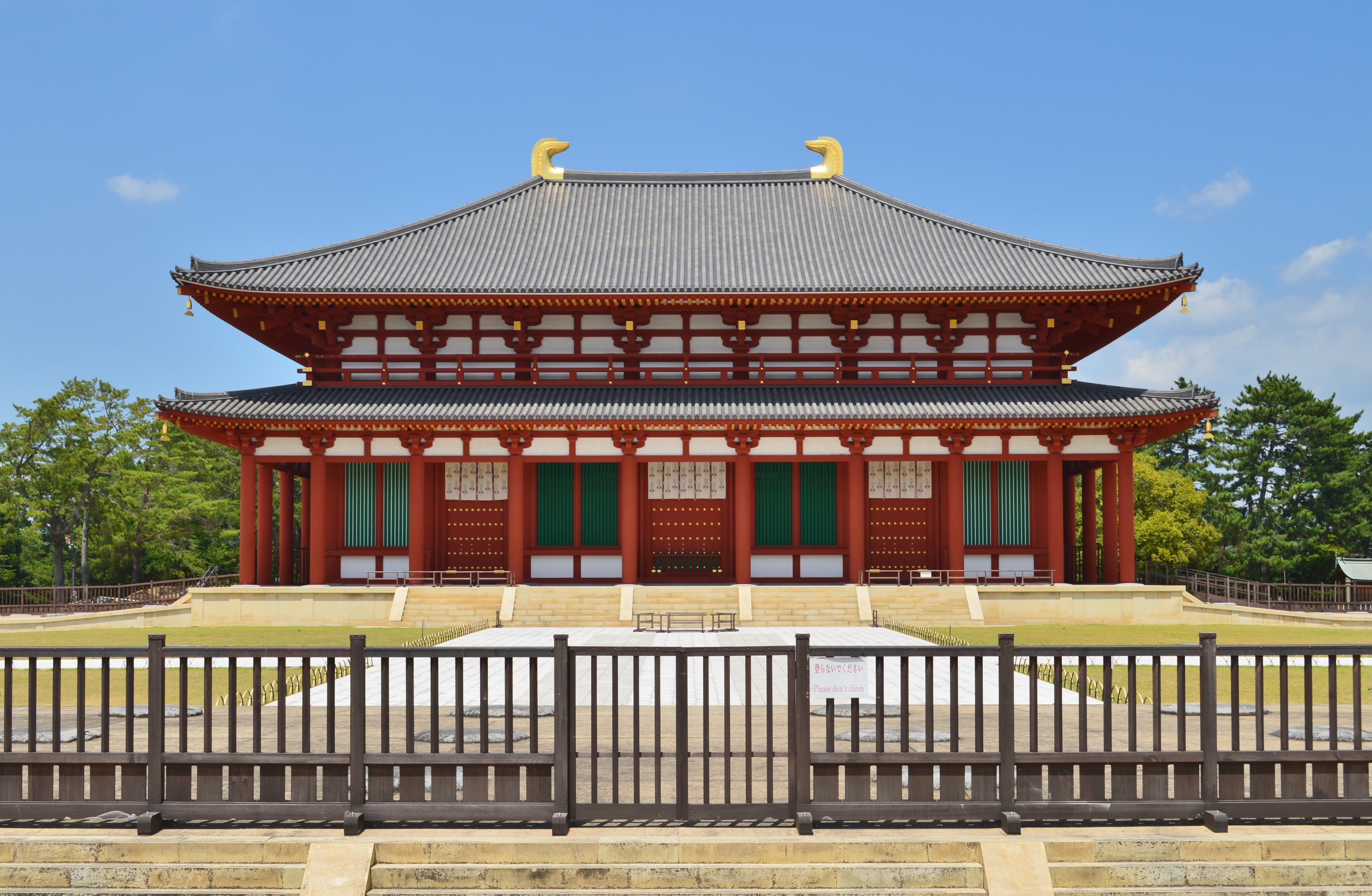
Central Golden Hall, Kofuku-ji
Kofuku-ji's rebuilt central hall, where ritual center and recent reconstruction now coincide.
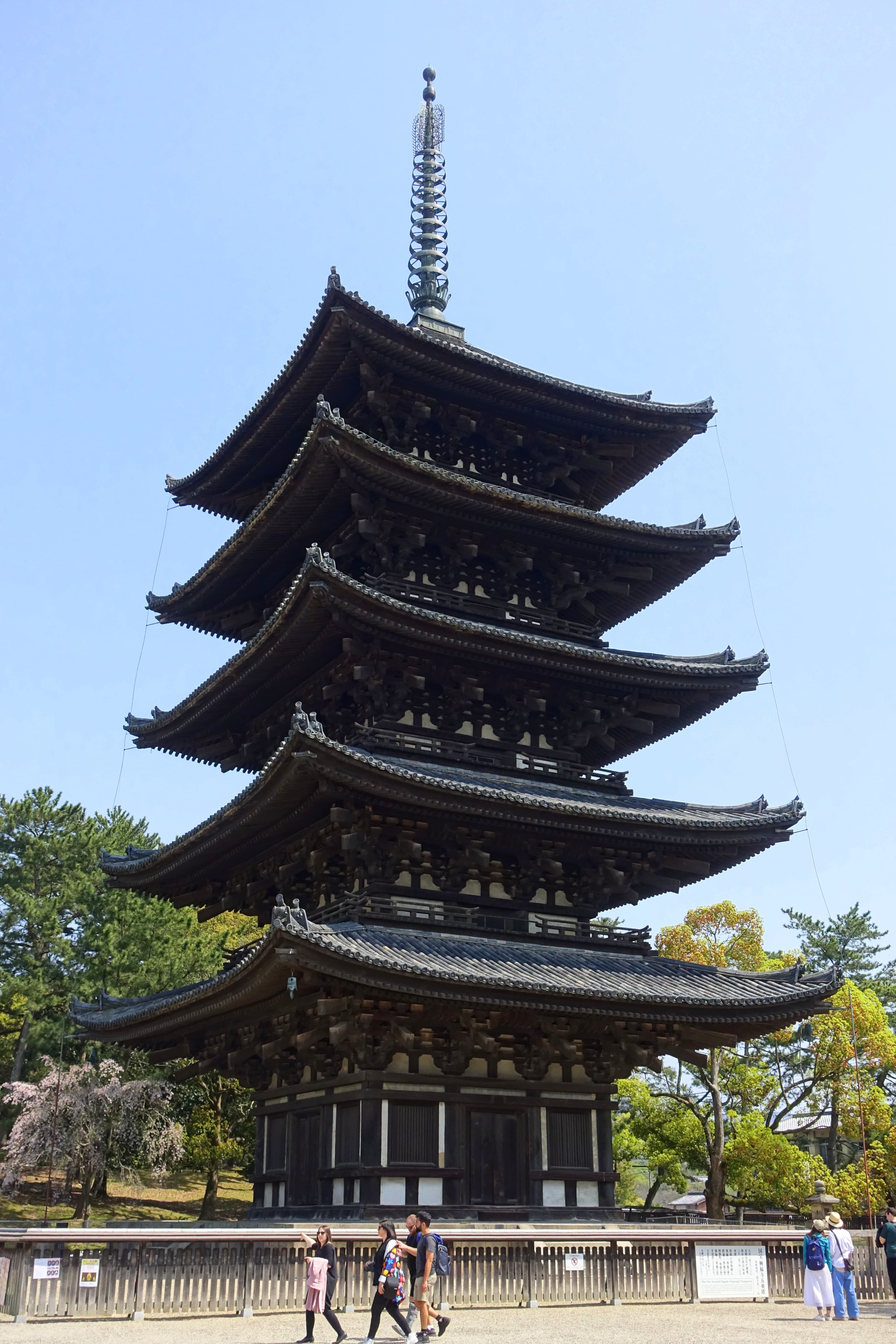
Five-storied Pagoda, Kofuku-ji
Nara's great pagoda, still grounded in reliquary meaning rather than skyline fame alone.
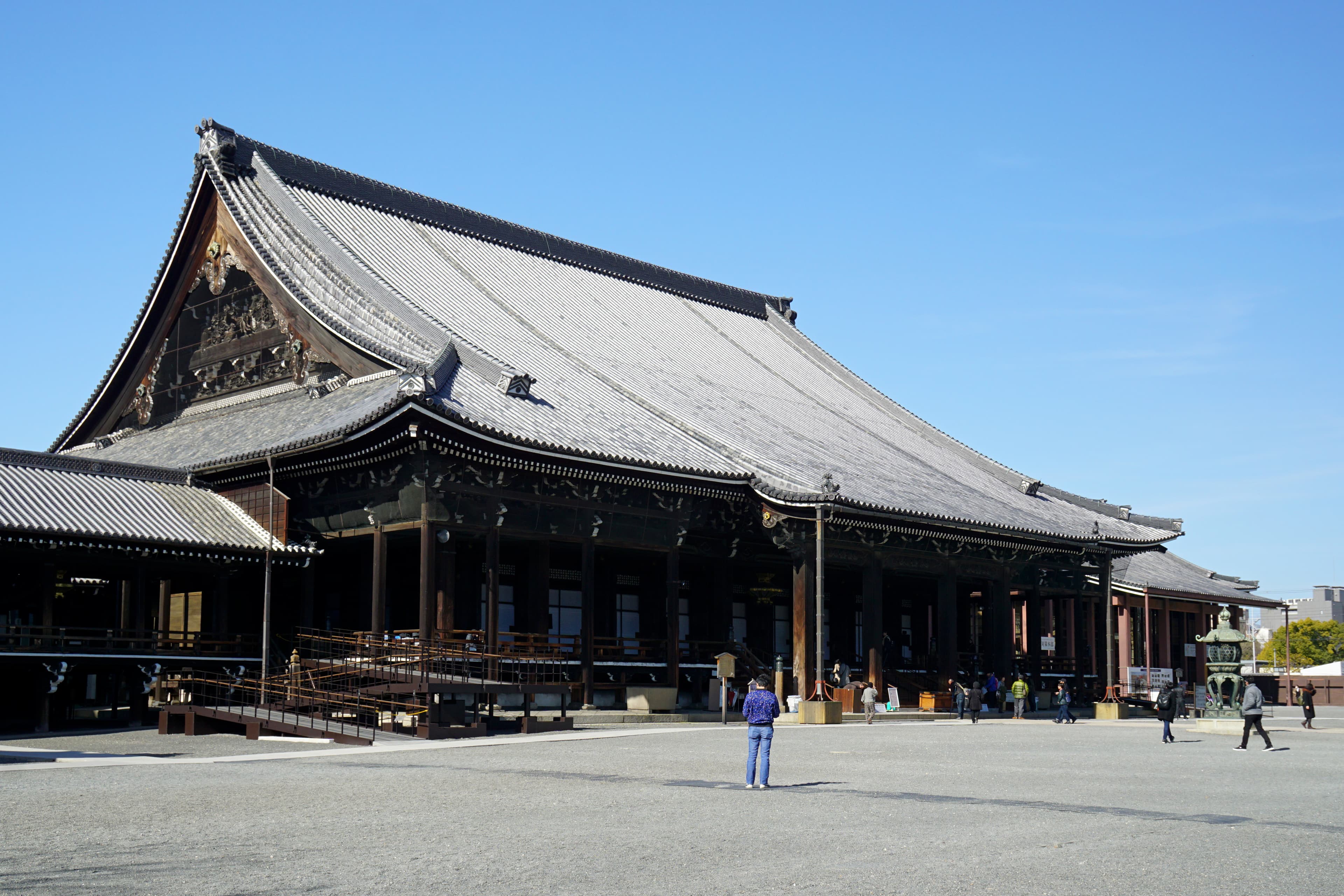
Amida-dō, Nishi Hongan-ji
The Amida hall of Nishi Hongan-ji, where Pure Land devotion still gives doctrinal center to the whole precinct.
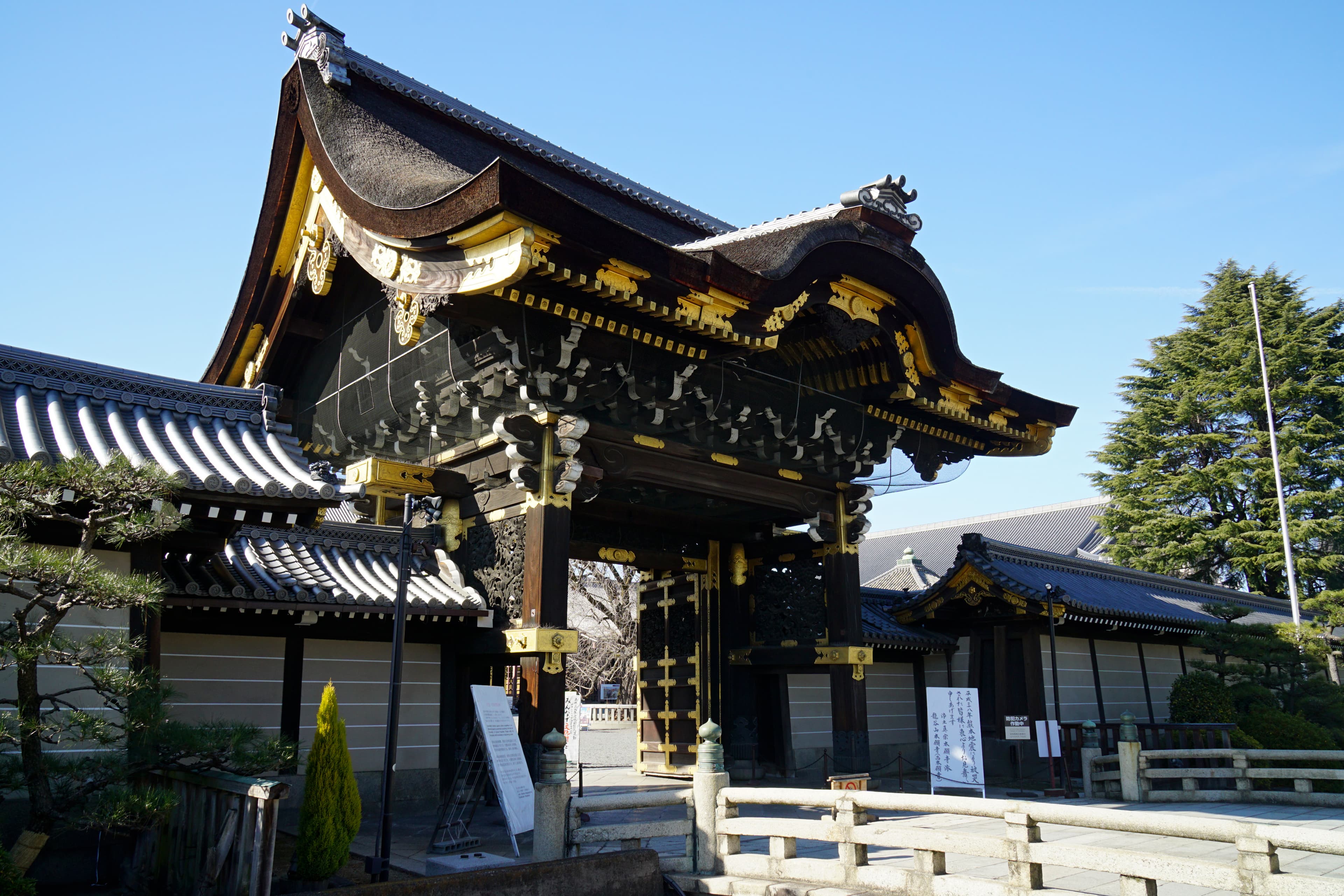
Amidadō-mon, Nishi Hongan-ji
The gate to Nishi Hongan-ji's Amida hall, where approach still carries visitors into the doctrinal center of the precinct.
Keep exploring