Historical sanctuary
Daphni Monastery
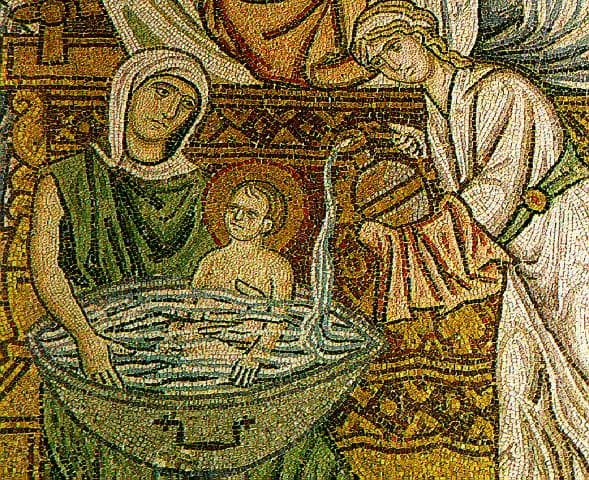
Daphni Monastery is one of the clearest Byzantine sacred monuments in Greece, and it matters most when its mosaics, domed church, and monastic enclosure are read together rather than as separate art-historical fragments.
Visitor essentials
What stands out
Scope note
Keep in view
Keep the church and monastery together in the story instead of reducing Daphni to a quick mosaic stop outside Athens.
At a glance
Before you visit
A Byzantine monastery near Athens where gold-ground mosaics and monastic architecture still hold together as one sacred whole
Why it matters
UNESCO treats Daphni as one of three middle Byzantine monasteries whose churches share a typological and aesthetic series, and notes that each monastery could have justified inscription on its own merits because of its mosaics and architectural achievement.
That matters here because Daphni should not be treated as a detached art object. Its sacred force comes from the union of monastery, church, and mosaic program within a Byzantine Orthodox setting close to Athens.
Respect notes
Visiting notes
Story and context
History and sacred context
Sources
- Official websitePrimary visitor-facing site for current access and institutional context.
- UNESCO entryPrimary authority source for the three middle Byzantine monasteries and their shared typological and artistic significance.
- Wikipedia entryWikipedia article for Daphni Monastery.
- Daphni Monastery (Q500444)Entity anchor for the Byzantine monastery in Attica.
- Monasteries of Daphni, Hosios Loukas and Nea Moni of Chios (Property 537)Primary authority source for the three middle Byzantine monasteries and their shared typological and artistic significance.
- Category:Monastery of DaphniVisual context for the monastery church, mosaics, and surrounding enclosure.
- Daphni MonasteryWikipedia article for Daphni Monastery.
- Monastery of DaphniOfficial Ministry of Culture monument page for Daphni Monastery with opening and access information.
Nearby places
Nearby sacred places in Mediterranean
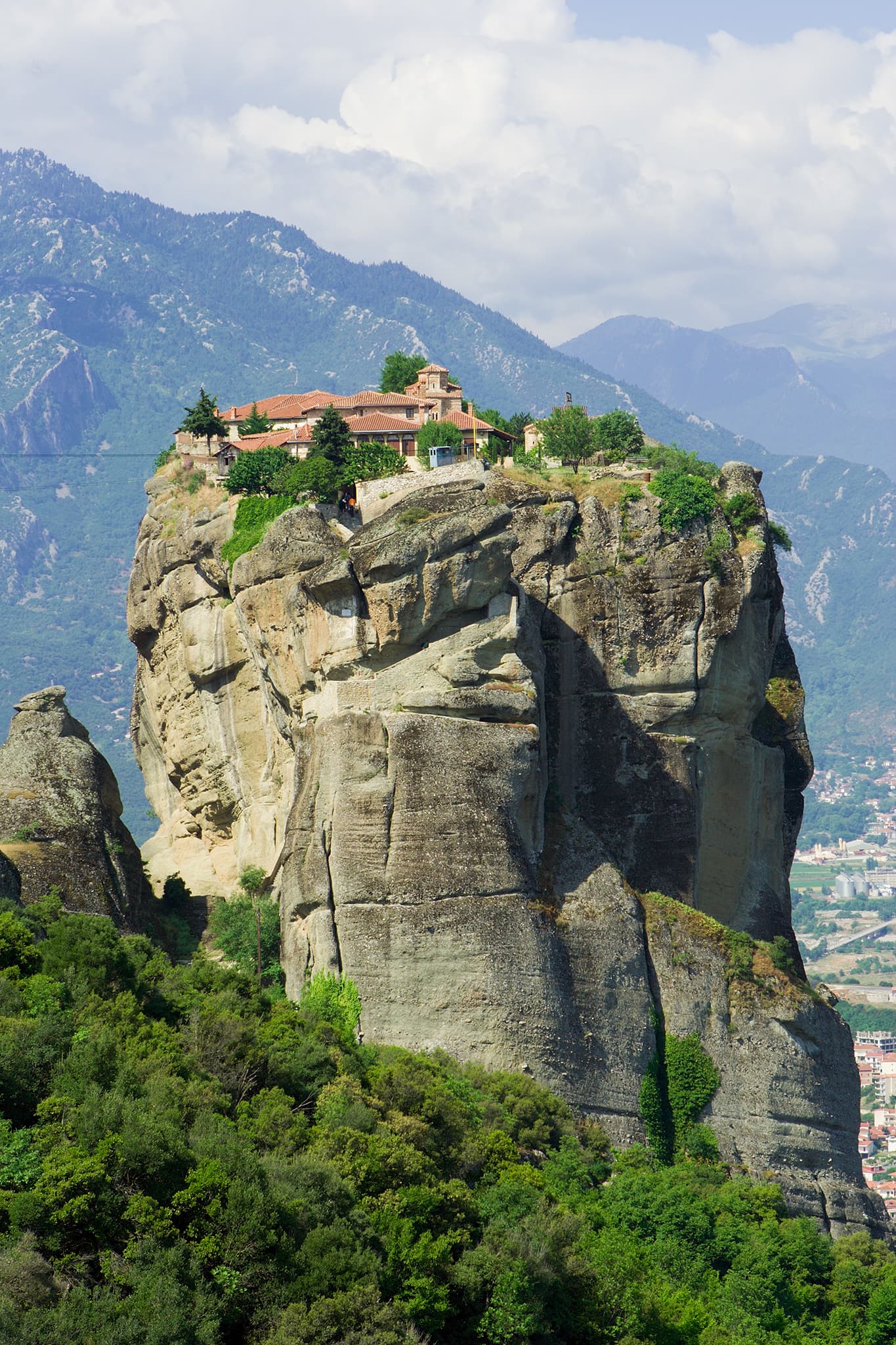
Holy Trinity Monastery
A Meteora monastery where height, solitude, and Orthodox devotion still work together as one sacred experience.
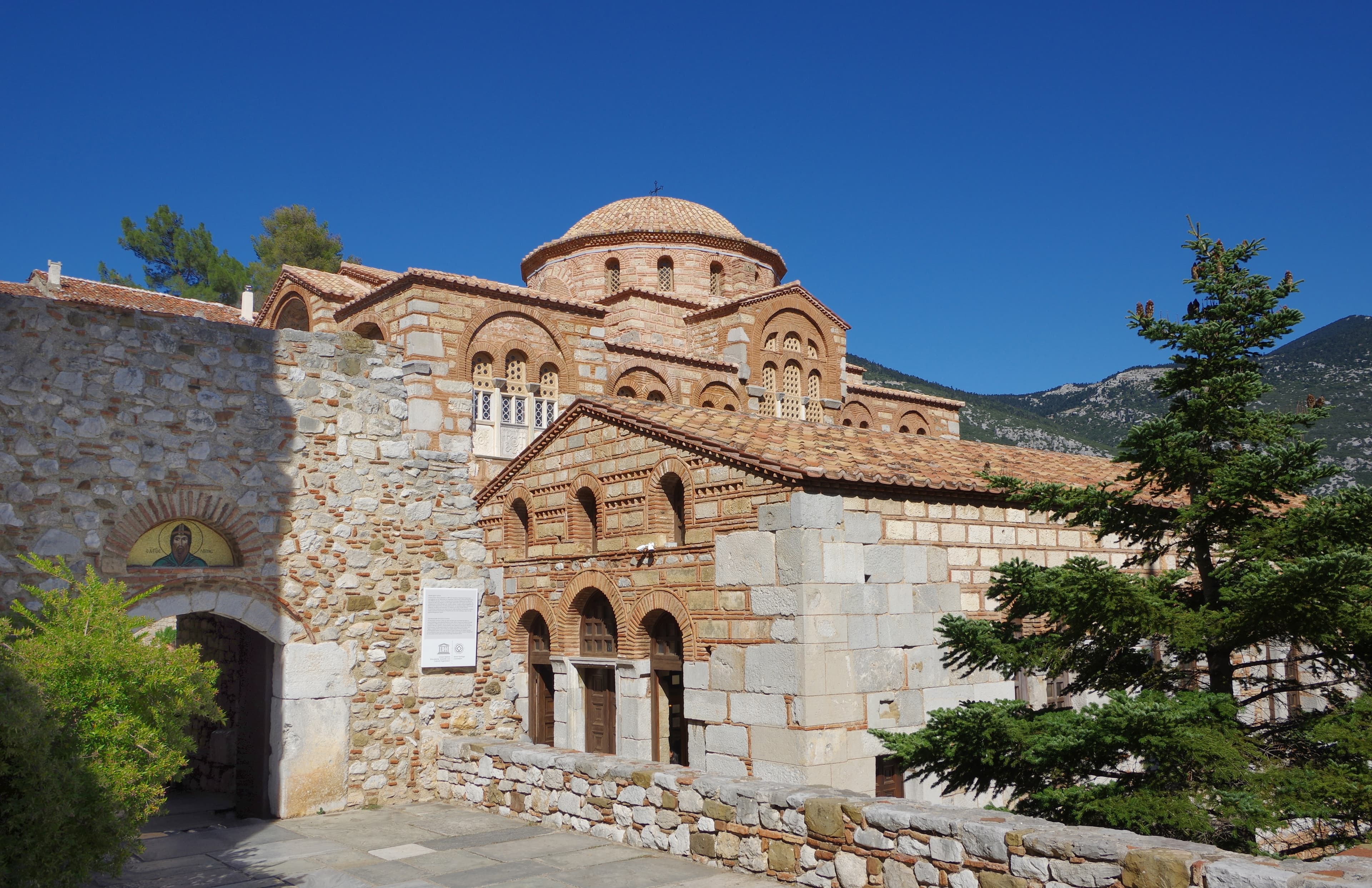
Hosios Loukas
A still-living Greek monastery near Delphi where Byzantine mosaics, mountain quiet, and monastic continuity remain inseparable.
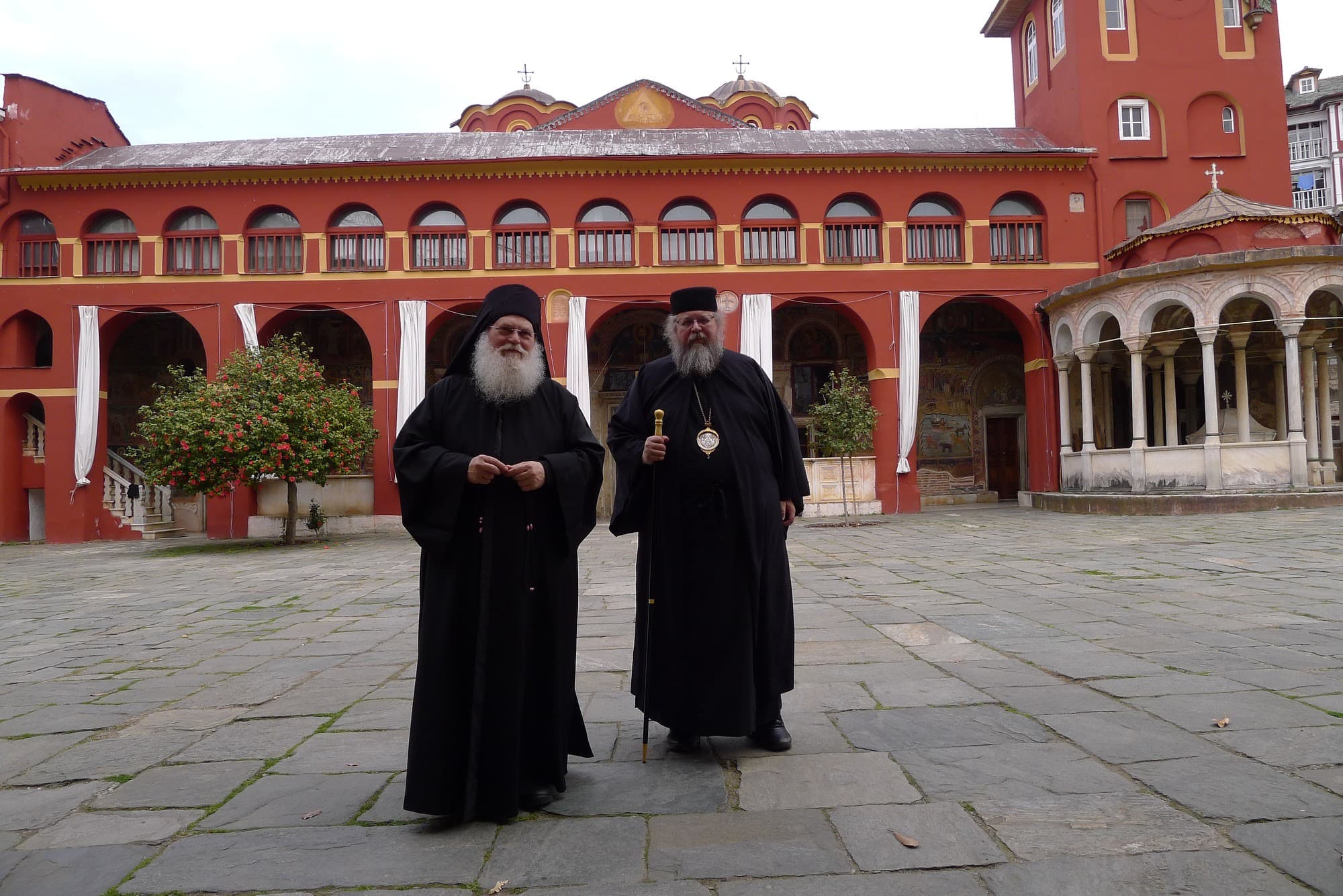
Vatopedi Monastery
A major Athonite monastery whose sacred character depends on monastic rule, enclosure, and access boundaries that are still alive.
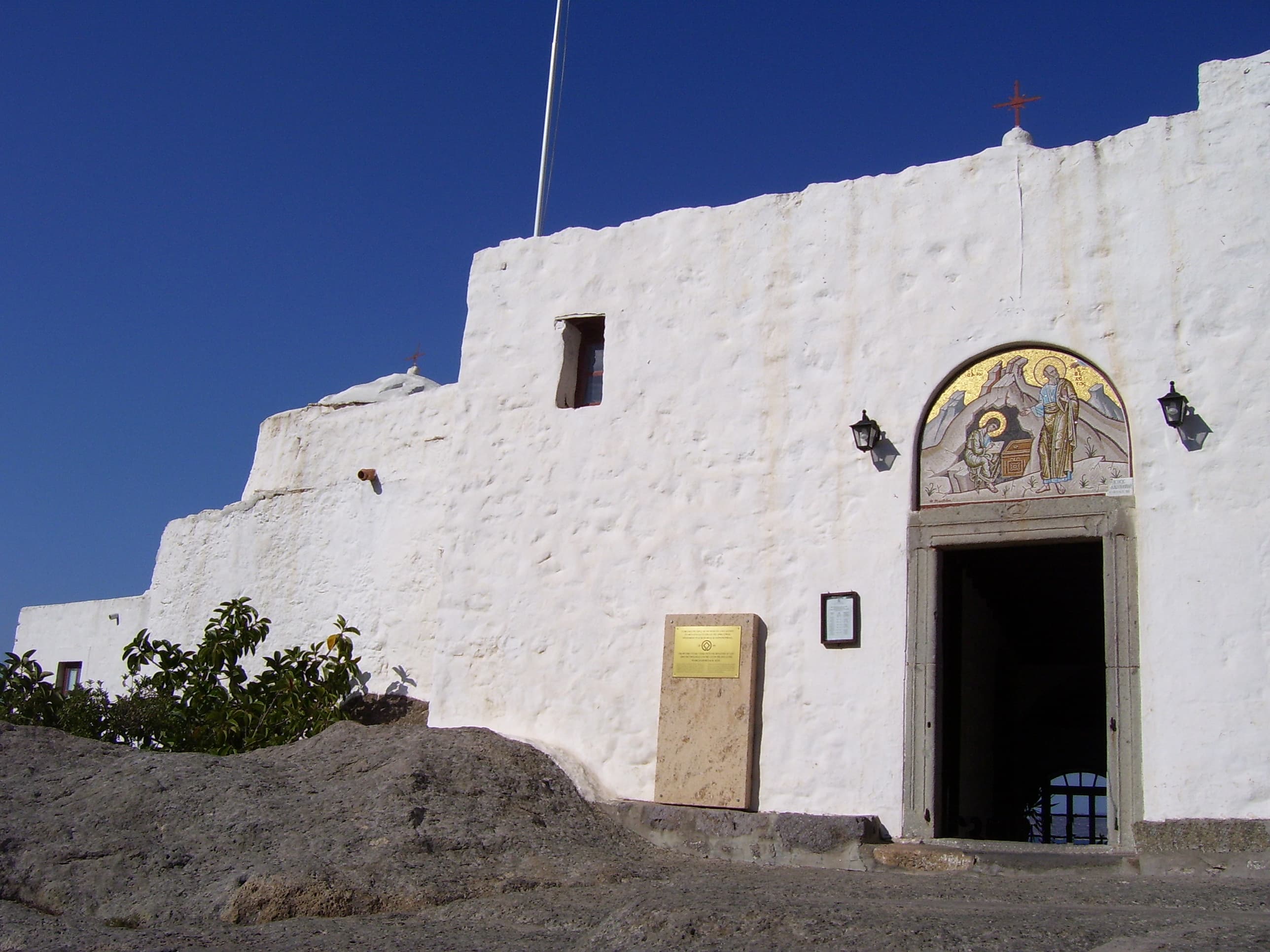
Cave of the Apocalypse
A revered cave on Patmos where revelation, pilgrimage, and Greek Orthodox devotion are still held together in one intensely focused shrine.
Same tradition elsewhere
Eastern Orthodox Christianity sacred sites beyond Mediterranean
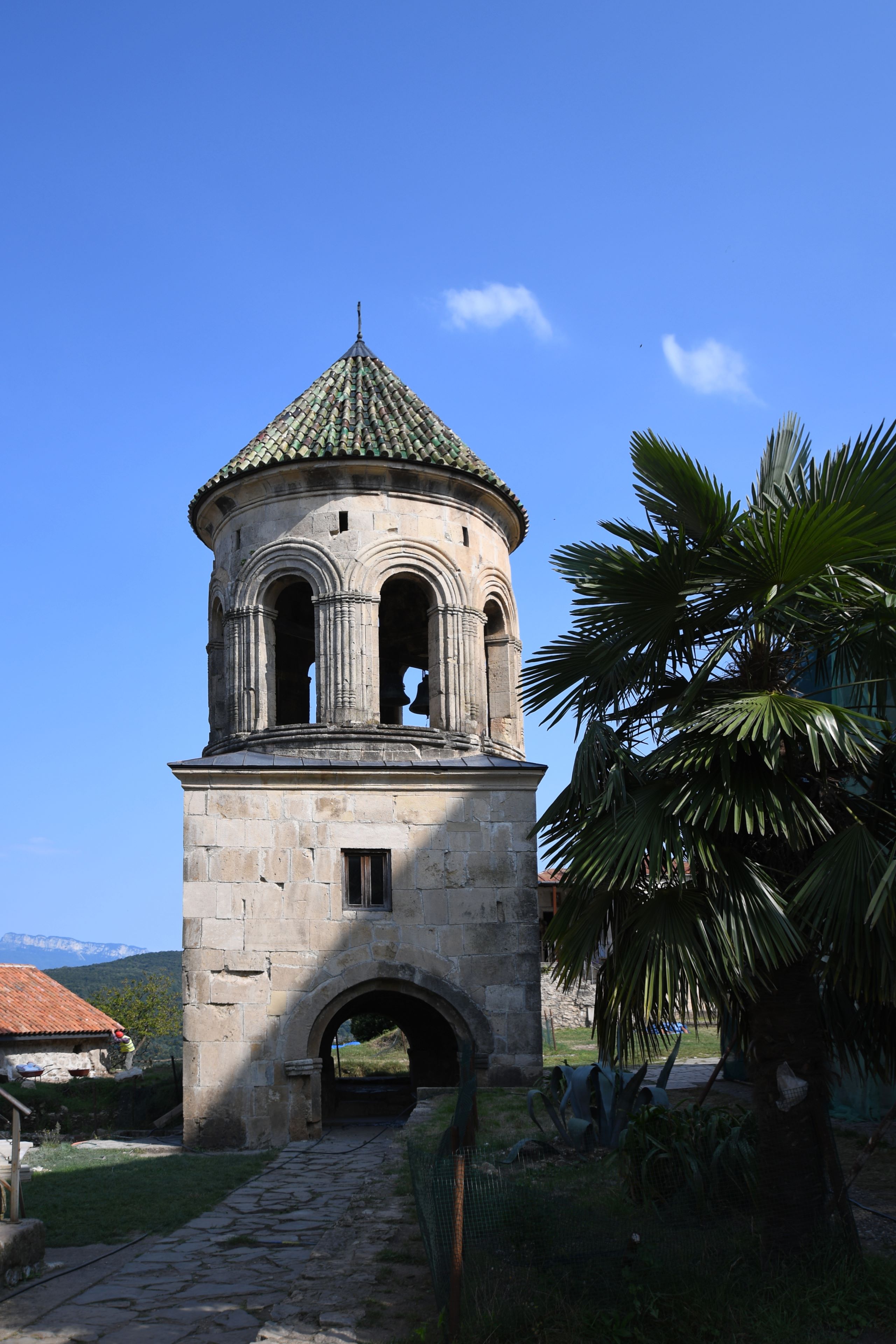
Gelati Monastery
A major Georgian monastery where liturgy, learning, and the memory of a medieval golden age remain joined.
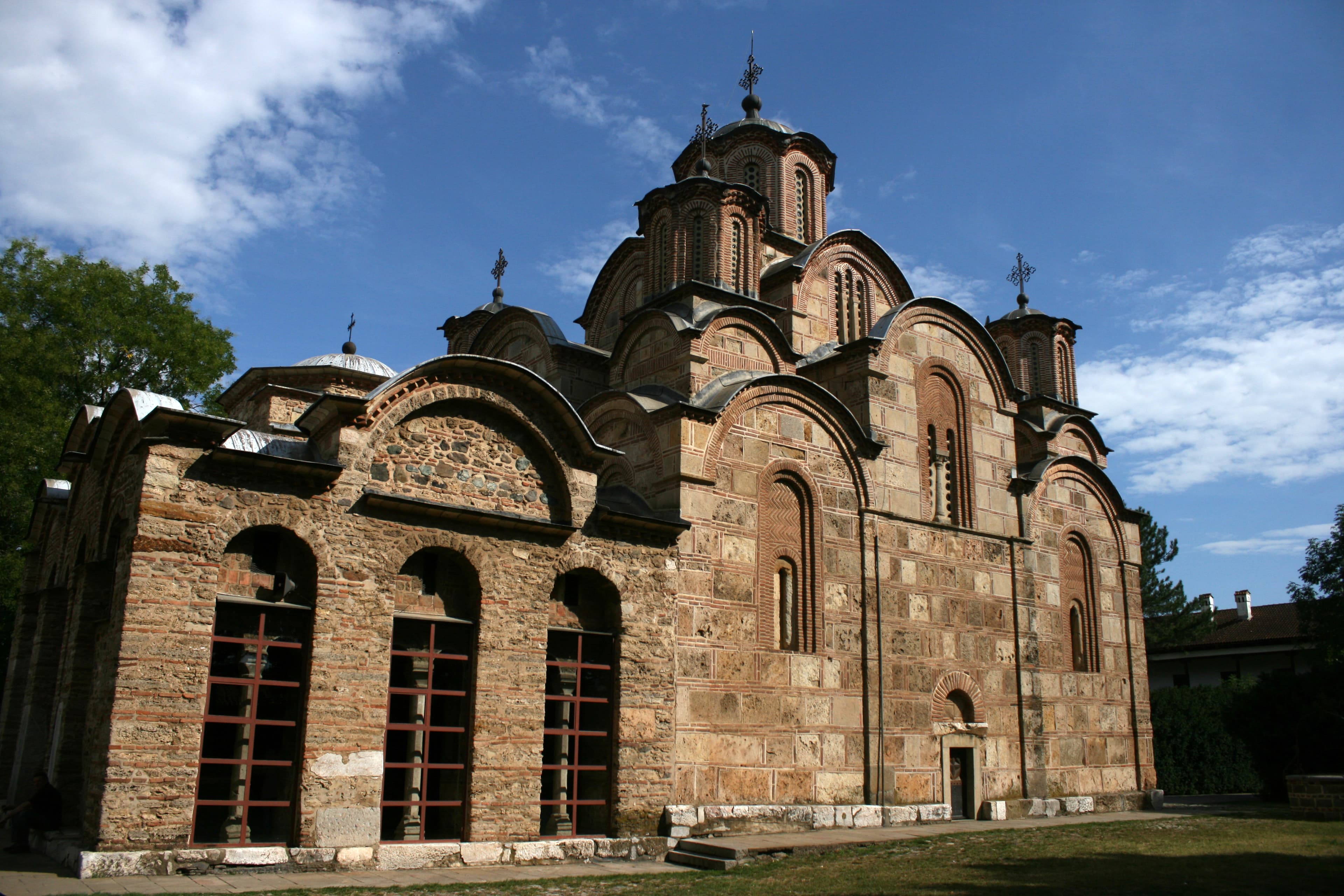
Gračanica Monastery
A major Serbian Orthodox monastery whose domed church and frescoed interior still hold together as one concentrated sacred whole.
Keep exploring