Living sacred site
Daikoku Shrine, Itsukushima Shrine
Daikoku Shrine, Itsukushima Shrine matters because the shrine's western side still holds active subsidiary worship rather than fading into circulation and scenery.
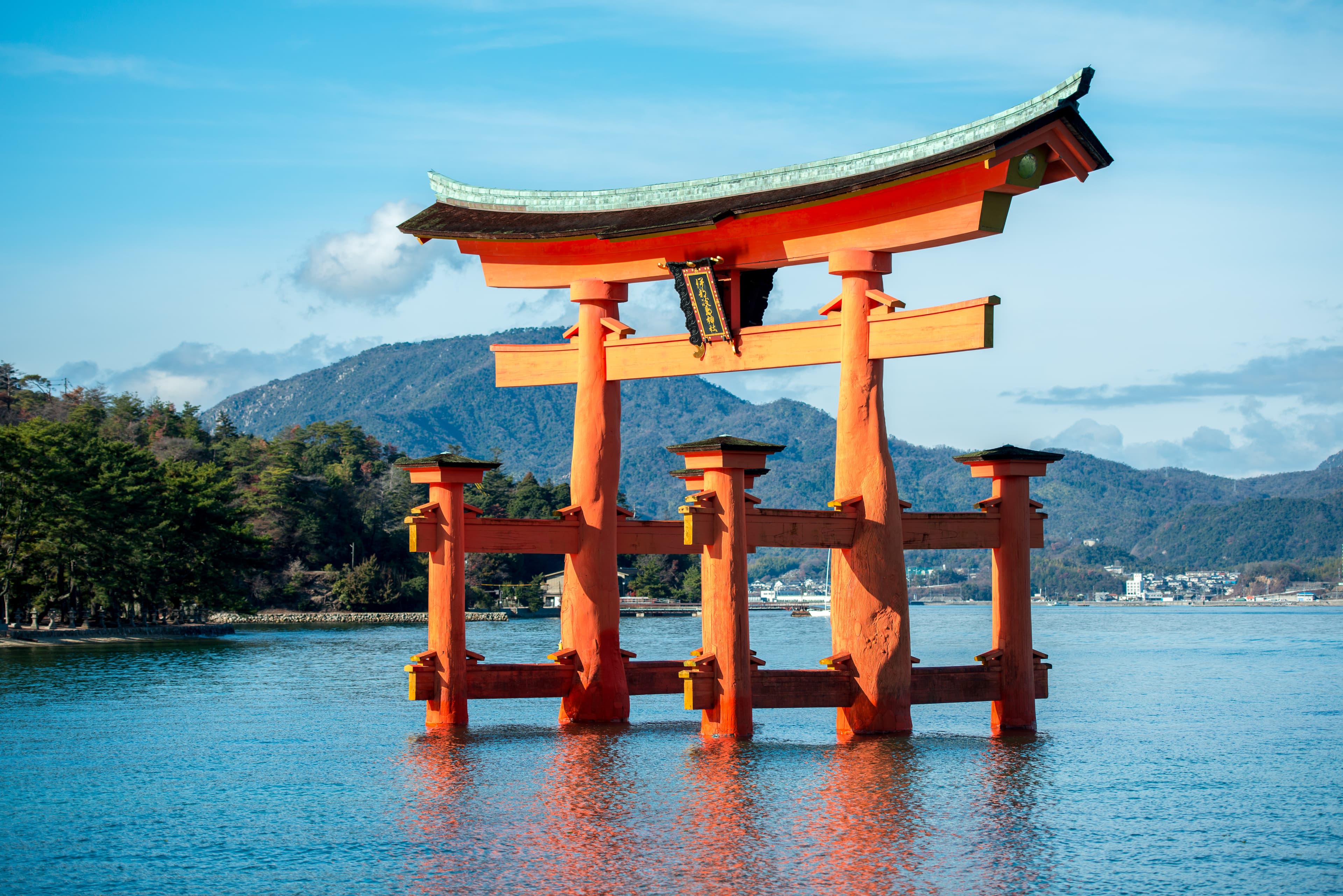
Visitor essentials
What stands out
Scope note
Keep in view
Keep Daikoku Shrine framed as a living subsidiary shrine, not just as a small building near the bridge.
At a glance
Before you visit
A western-side shrine that keeps Itsukushima's sacred life layered beyond the main sanctuary
Why it matters
UNESCO frames Itsukushima Shinto Shrine as a living Shinto precinct where subsidiary halls and shrines still articulate the inner sequence of approach, offering, and worship within one shrine-sea landscape, and the supporting site sources keep Daikoku Shrine, Itsukushima Shrine legible as a subsidiary shrine within the living tidal shrine precinct on Miyajima.
That matters because Daikoku Shrine, Itsukushima Shrine is strongest as the subsidiary shrine that keeps the western side of Itsukushima ritually populated beyond bridge and corridor alone rather than only a small west-side structure beside the bridge.
Respect notes
Visiting notes
Story and context
History and sacred context
Sources
- Official websitePrimary visitor-facing site for current access and institutional context.
- UNESCO entryPrimary authority source for the Itsukushima world-heritage property, its holy Shinto setting, and its integration of shrine, sea, and mountain.
- Wikipedia entryWikipedia article for Itsukushima Shrine.
- Itsukushima Shinto Shrine (Property 776)Primary authority source for the Itsukushima world-heritage property, its holy Shinto setting, and its integration of shrine, sea, and mountain.
- RouteOfficial English route page naming Asazaya, Main Shrine, Daikoku Shrine, and other components within the shrine's living visit sequence.
- Itsukushima Shrine (Q191763)Parent entity anchor for Itsukushima Shrine as a Shinto shrine, world-heritage site, and sacred landscape on Miyajima.
- Category:Itsukushima Shinto ShrineVisual context for the wider Itsukushima Shrine precinct and its named architectural components.
- File:Main hall of Daikoku Shrine and Nagahashi Bridge in Itsukushima Shrine.jpgVisual evidence and file description identifying the main hall of Daikoku Shrine within the Itsukushima precinct.
- Itsukushima ShrineWikipedia article for Itsukushima Shrine.
Nearby places
Nearby sacred places in Japan
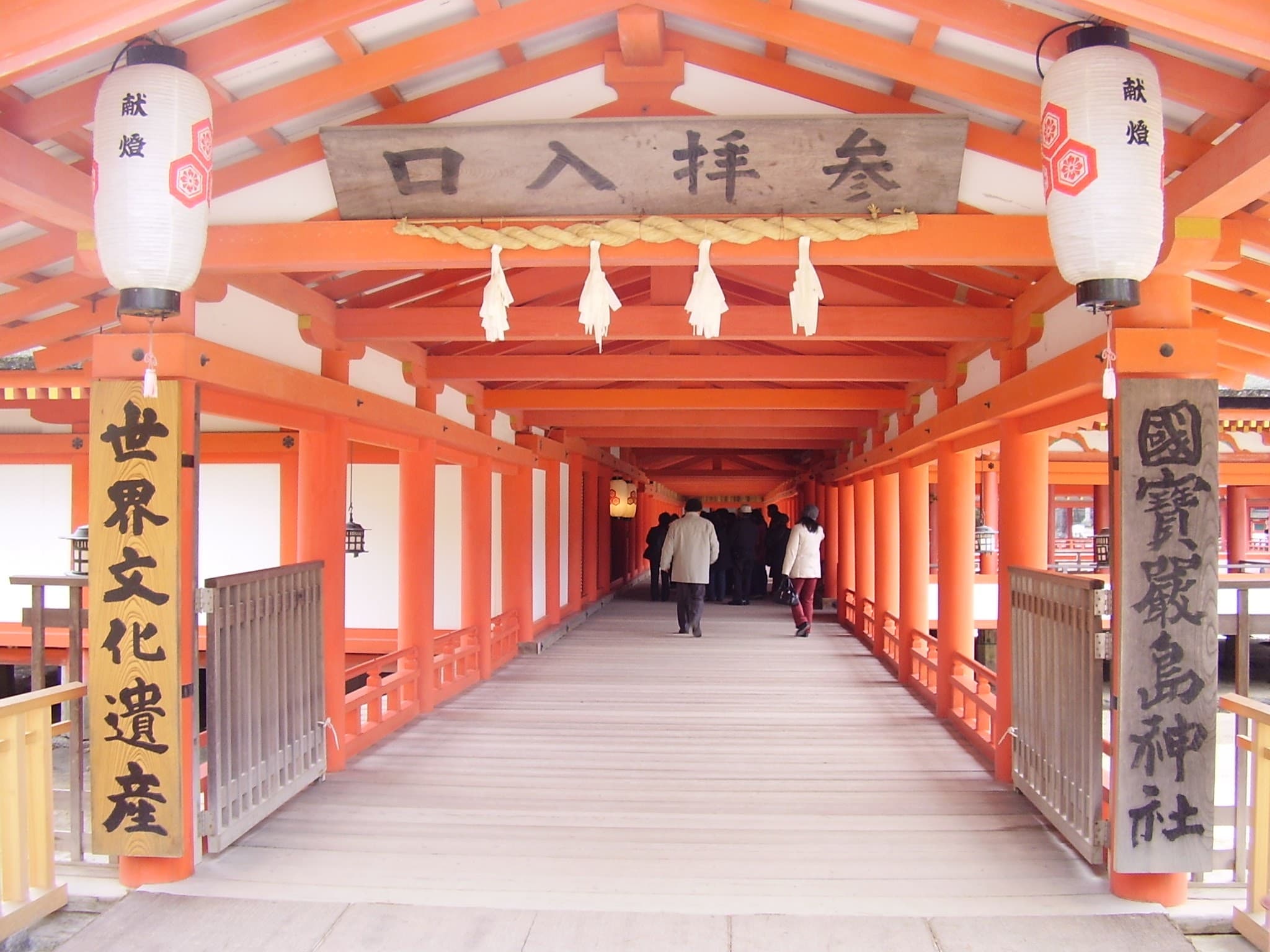
East Corridor, Itsukushima Shrine
Itsukushima's east corridor, where approach still happens as sacred movement above the tide.
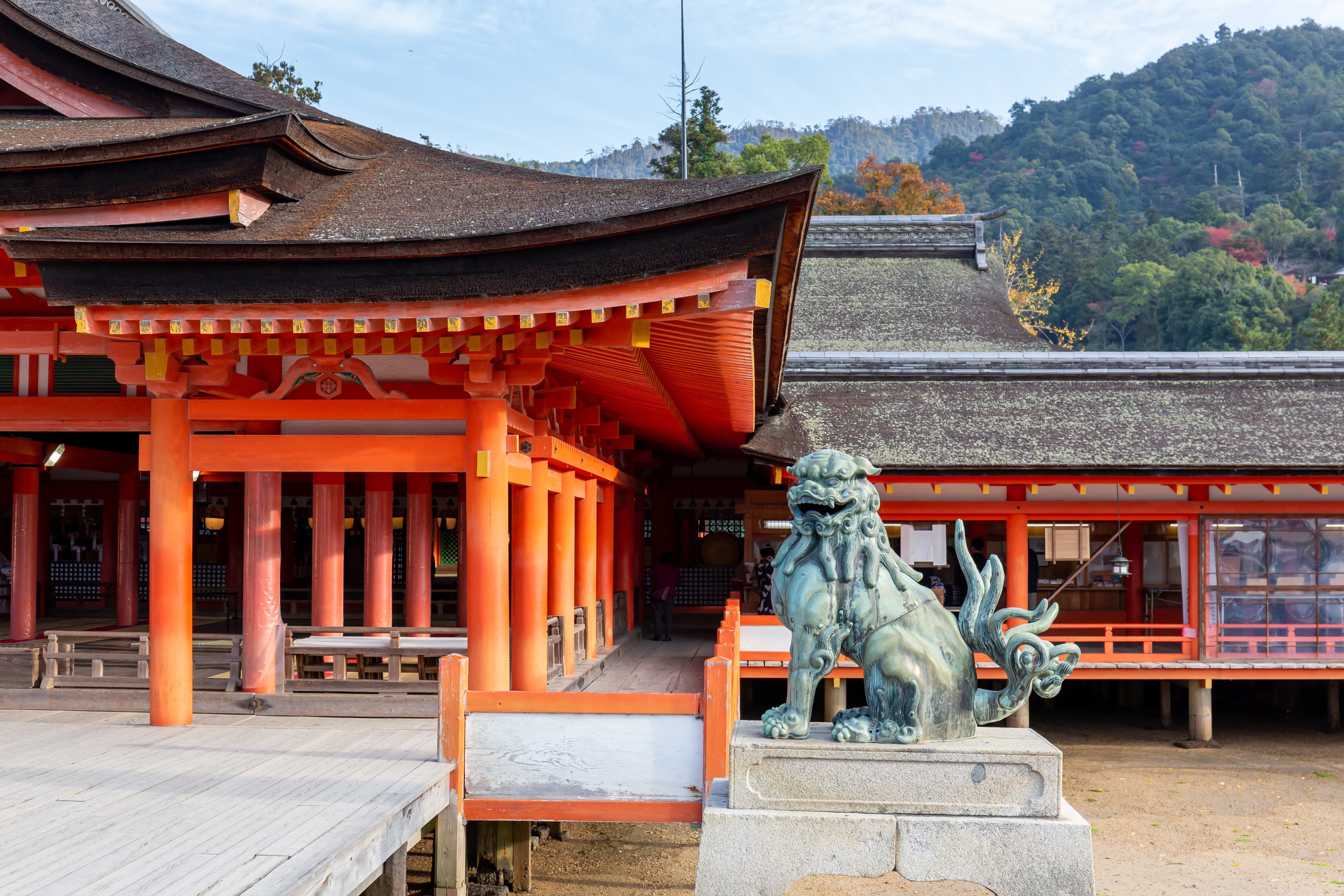
Haraiden, Main Shrine, Itsukushima Shrine
The front ritual hall of Itsukushima's main sanctuary, where the precinct opens toward ceremony and water.
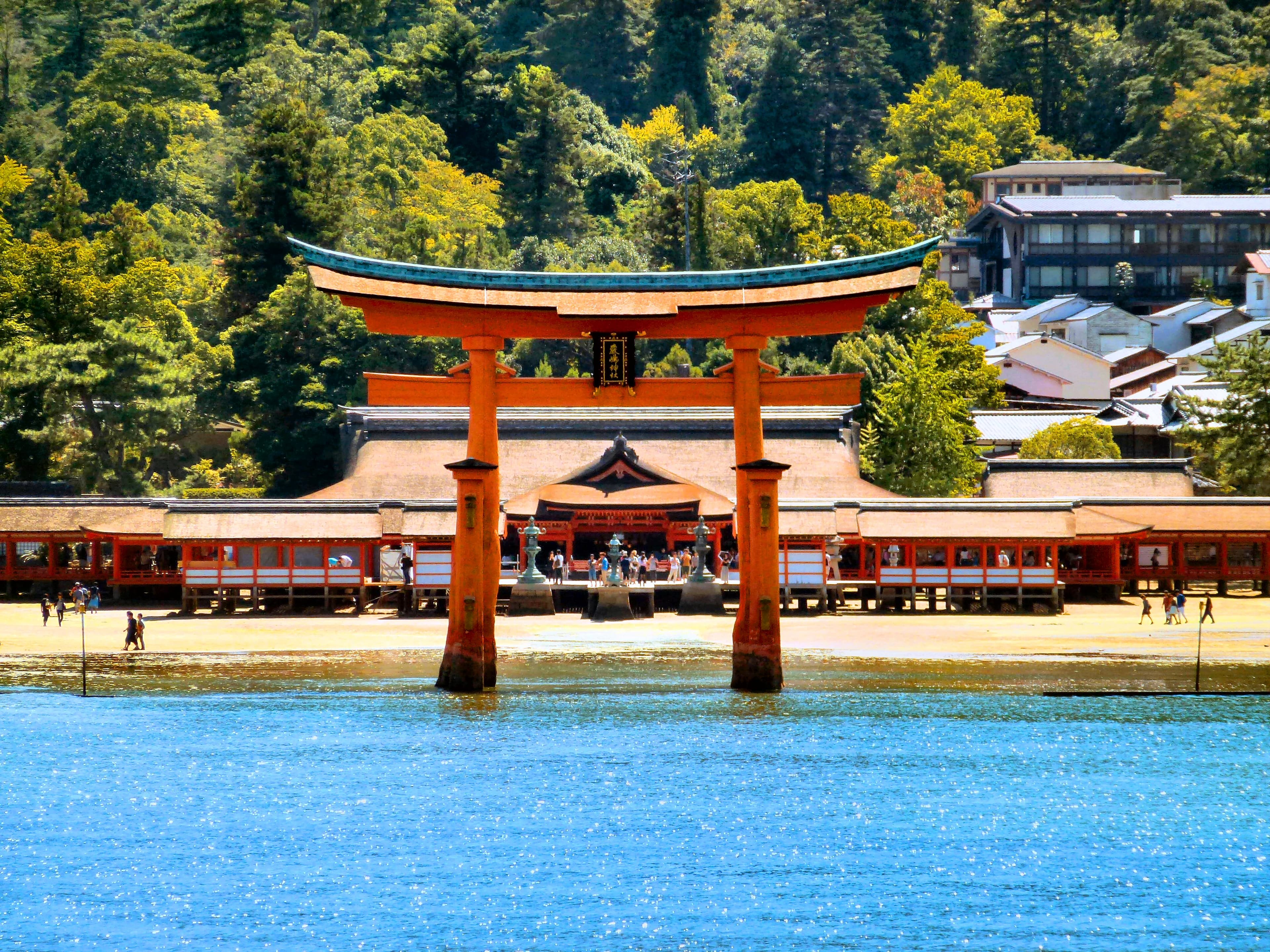
Ōtorii, Itsukushima Shrine
Itsukushima's great sea torii, where arrival still begins at a sacred threshold in water.
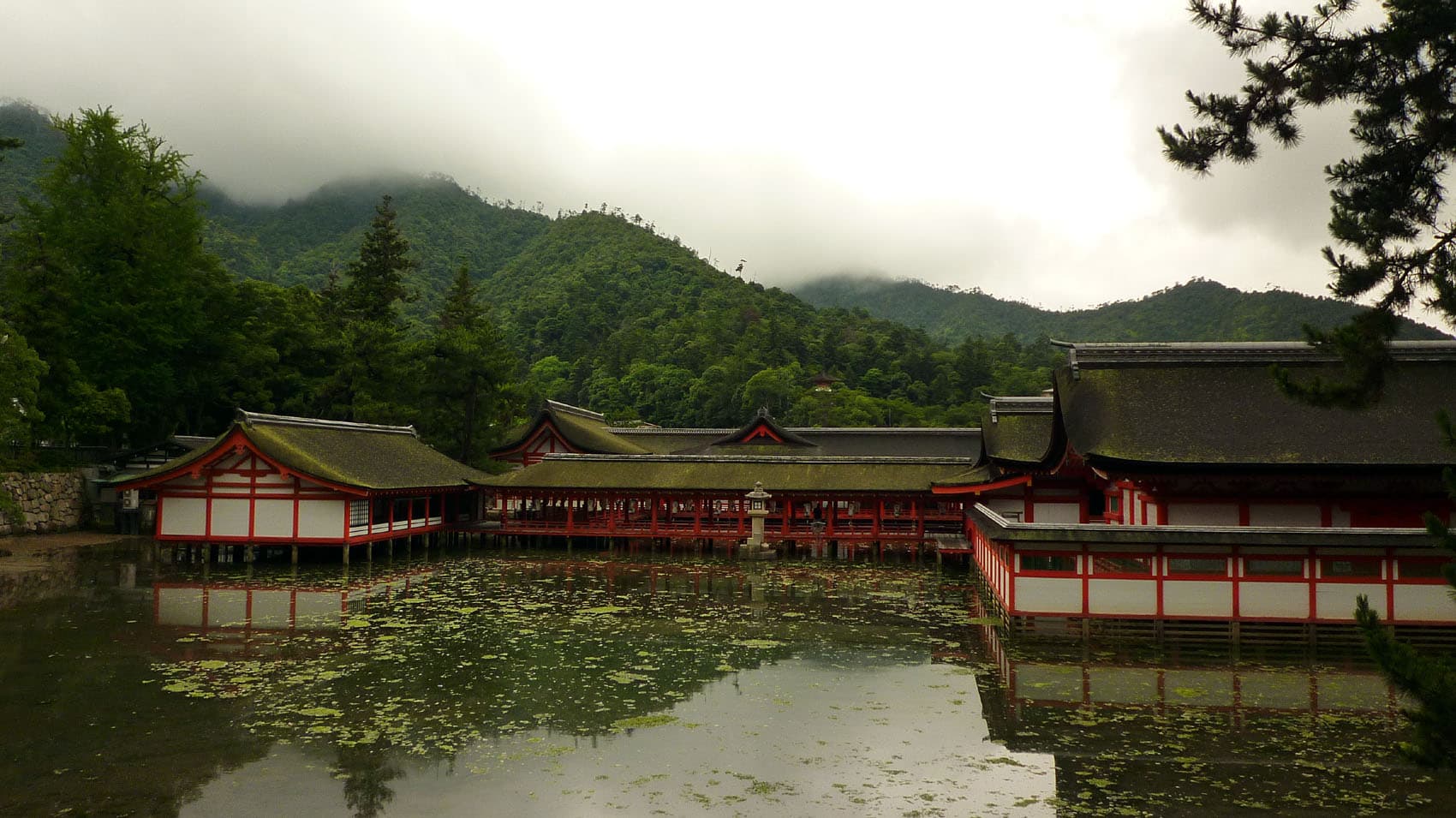
Itsukushima Shrine
A sea-edge shrine where mountain, tide, architecture, and threshold all belong to one sacred composition.
Keep exploring