Living sacred site
Covered Corridor, Horyu-ji
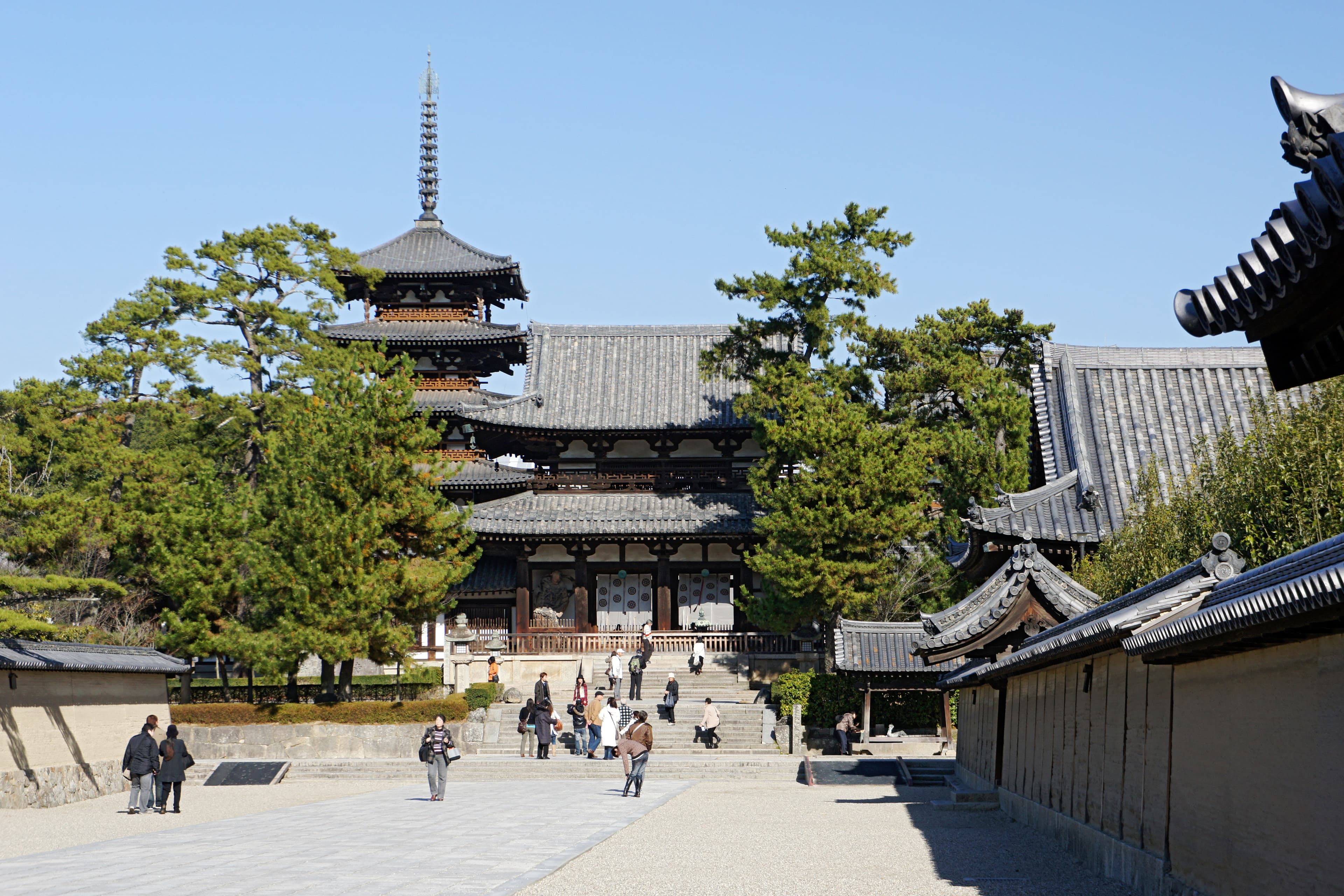
Covered Corridor, Horyu-ji matters because it still organizes movement and enclosure in the Western Precinct instead of reading as a secondary circulation structure alone.
Visitor essentials
What stands out
Scope note
Keep in view
Keep the Covered Corridor framed as part of Horyu-ji's sacred court order, not just as a walkway.
At a glance
Before you visit
A roofed corridor at Horyu-ji that turns the Western Precinct into one enclosed sacred court
Why it matters
UNESCO frames Buddhist Monuments in the Horyu-ji Area as an early Japanese Buddhist temple landscape where halls, gates, corridors, memorial structures, and monastic quarters preserve one of the clearest surviving material worlds of Buddhism's first centuries in Japan, and the supporting site sources keep Covered Corridor, Horyu-ji legible as a corridor within the Horyu-ji Buddhist precinct in Ikaruga.
That matters because Covered Corridor, Horyu-ji is strongest as the enclosing corridor that binds Horyu-ji's Western Precinct into one ordered sacred court around the main hall and pagoda rather than only a roofed walkway around the main court.
Respect notes
Visiting notes
Story and context
History and sacred context
Sources
- Official websitePrimary visitor-facing site for current access and institutional context.
- UNESCO entryPrimary authority source for the Horyu-ji area as an early Buddhist monument landscape central to the spread of Buddhism in Japan.
- Wikipedia entryWikipedia article for Hōryū-ji Temple.
- Buddhist Monuments in the Horyu-ji Area (Property 660)Primary authority source for the Horyu-ji area as an early Buddhist monument landscape central to the spread of Buddhism in Japan.
- Horyu-ji Temple (Q261932)Entity anchor for Horyu-ji as a Buddhist temple and component of the Horyu-ji world heritage property.
- Category:Horyu-jiVisual context for Horyu-ji as a Buddhist precinct of halls, pagoda, gates, and courtyards in Ikaruga.
- Category:Corridors, Horyu-jiVisual context for the corridor system at Horyu-ji, including the enclosing covered corridors of the precincts.
- Middle Gate, Covered Corridor, Sutra Repository, Bell TowerOfficial Horyu-ji page describing the Covered Corridor and its role linking the Bell Tower, Great Lecture Hall, and Sutra Repository around the Western Precinct.
- Hōryū-ji TempleWikipedia article for Hōryū-ji Temple.
Nearby places
Nearby sacred places in Japan
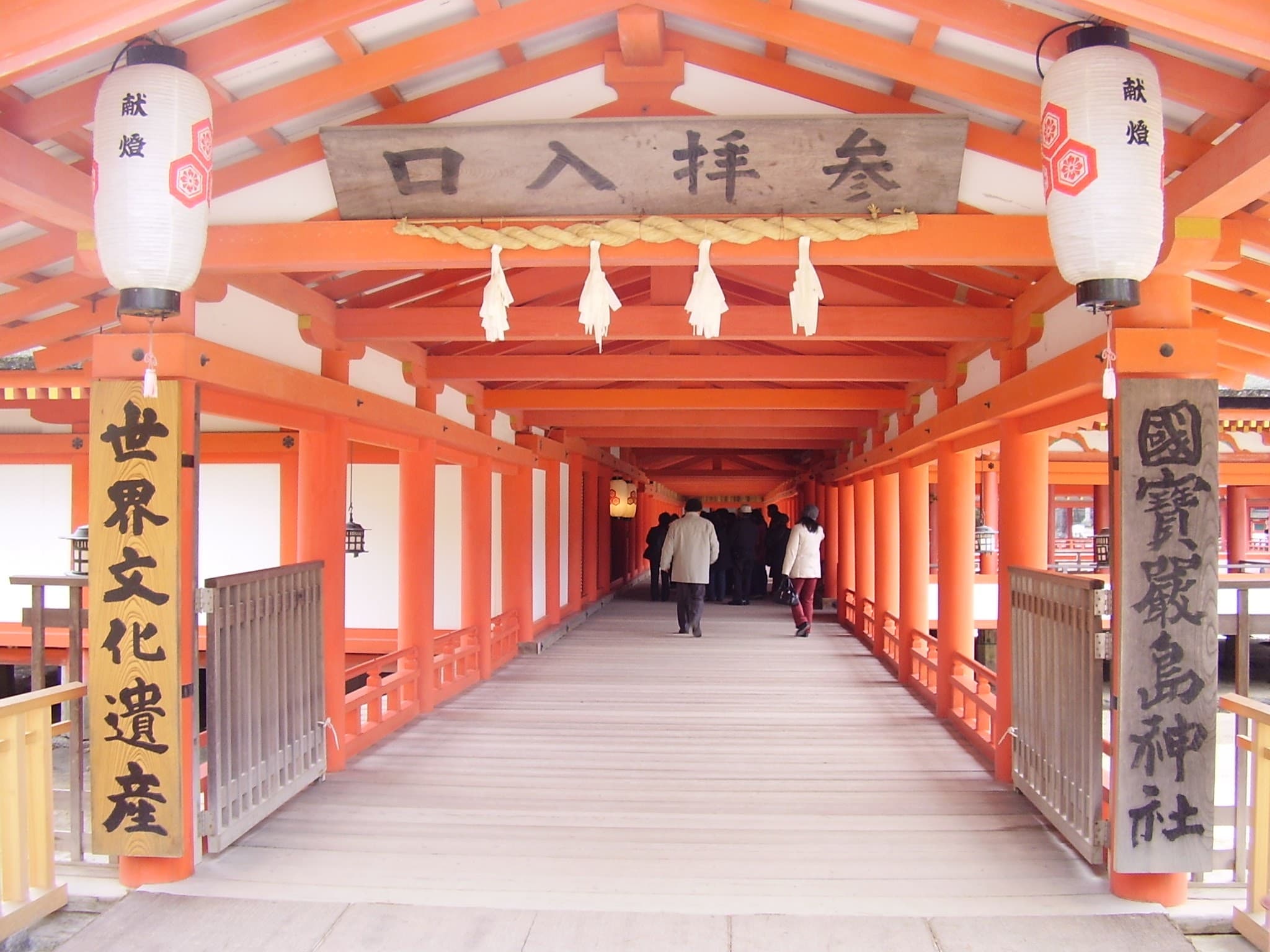
East Corridor, Itsukushima Shrine
Itsukushima's east corridor, where approach still happens as sacred movement above the tide.
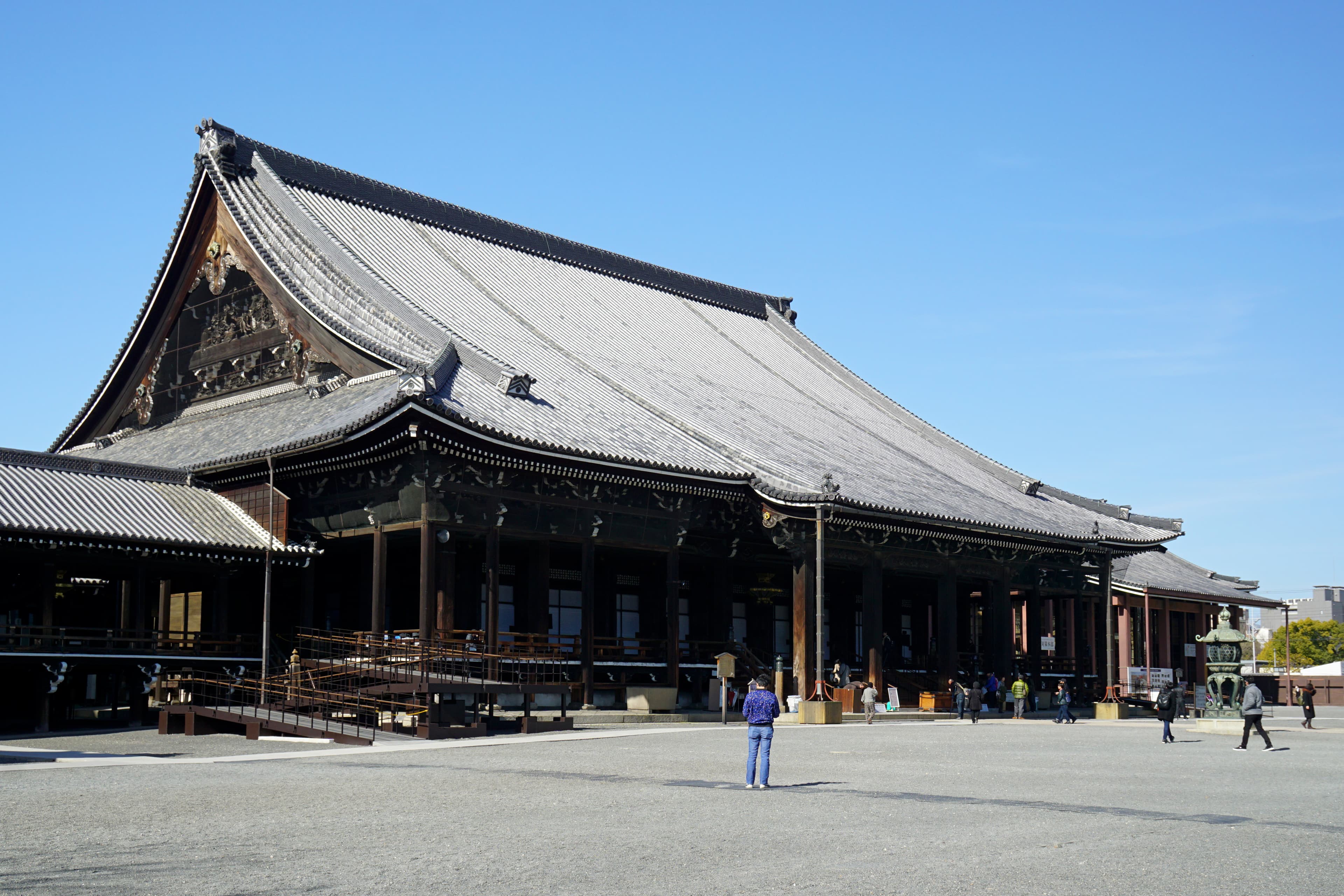
Amida-dō, Nishi Hongan-ji
The Amida hall of Nishi Hongan-ji, where Pure Land devotion still gives doctrinal center to the whole precinct.
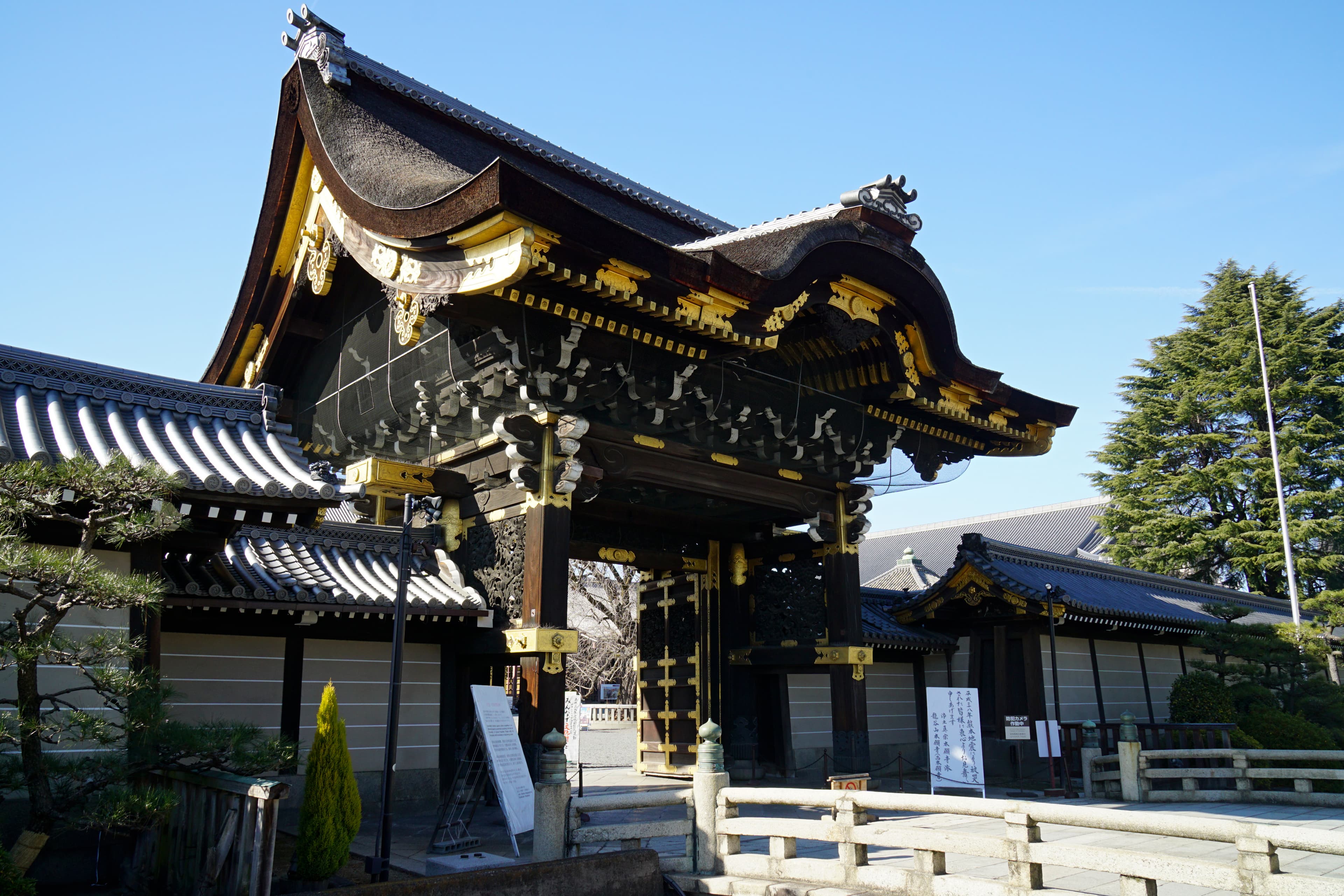
Amidadō-mon, Nishi Hongan-ji
The gate to Nishi Hongan-ji's Amida hall, where approach still carries visitors into the doctrinal center of the precinct.
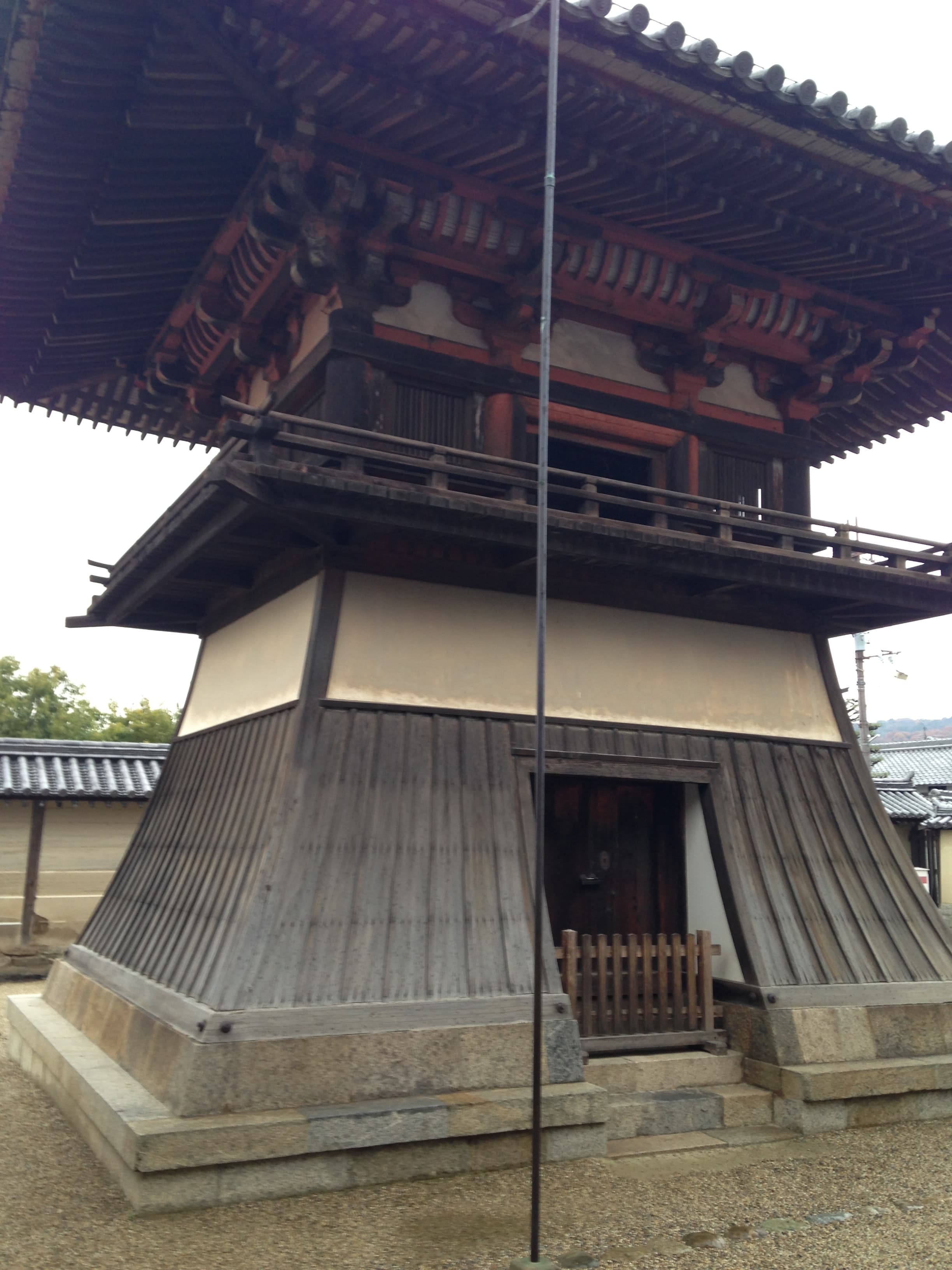
Belfry of East Precinct, Horyu-ji
An eastern Horyu-ji belfry where ritual sound keeps the memorial precinct vividly alive.
Keep exploring