Historical sanctuary
Basilica of San Vitale
The Basilica of San Vitale is one of the greatest sacred interiors in Western Europe, and it is strongest when its unusual centralized plan, shimmering mosaics, and Christian liturgical intent are understood together.
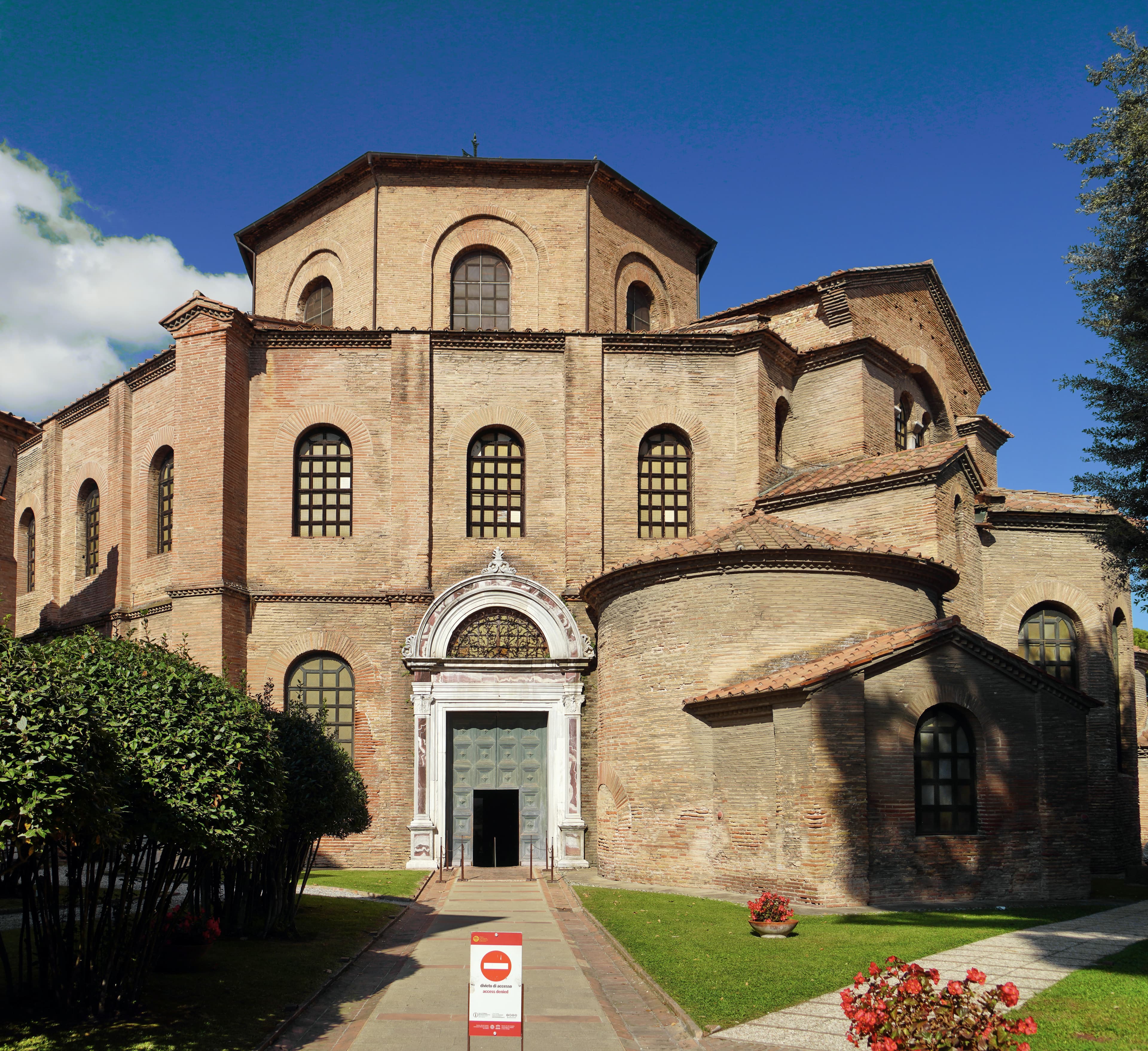
Visitor essentials
What stands out
Scope note
Keep in view
Keep the basilica's sacred interior logic visible rather than flattening it into only a masterpiece of mosaic art.
At a glance
Before you visit
A Byzantine basilica where octagonal space, imperial imagery, and luminous mosaics still create one of Christianity's most powerful interiors in the West
Why it matters
UNESCO describes the Church of San Vitale as one of the highest creations of Byzantine architecture in Italy, combining Western and Eastern traditions within a monument built during Justinian's reign.
That matters here because San Vitale is not only visually rich. Its sacred force comes from a full liturgical interior where structure, light, and mosaic theology work together rather than as separate attractions.
Respect notes
Visiting notes
Story and context
History and sacred context
Sources
- Official websitePrimary visitor-facing site for current access and institutional context.
- UNESCO entryPrimary authority source for Ravenna's early Christian monuments, including the Church of San Vitale.
- Wikipedia entryWikipedia article for Basilica of San Vitale.
- Basilica of San Vitale (Q721817)Entity anchor for the Basilica of San Vitale as a major Byzantine church in Ravenna.
- Early Christian Monuments of Ravenna (Property 788)Primary authority source for Ravenna's early Christian monuments, including the Church of San Vitale.
- Category:San Vitale (Ravenna)Visual context for San Vitale's exterior, interior, and mosaic program.
- Basilica of San VitaleWikipedia article for Basilica of San Vitale.
- Official website of Basilica of San VitaleOfficial website for Basilica of San Vitale.
Nearby places
Nearby sacred places in Western Europe
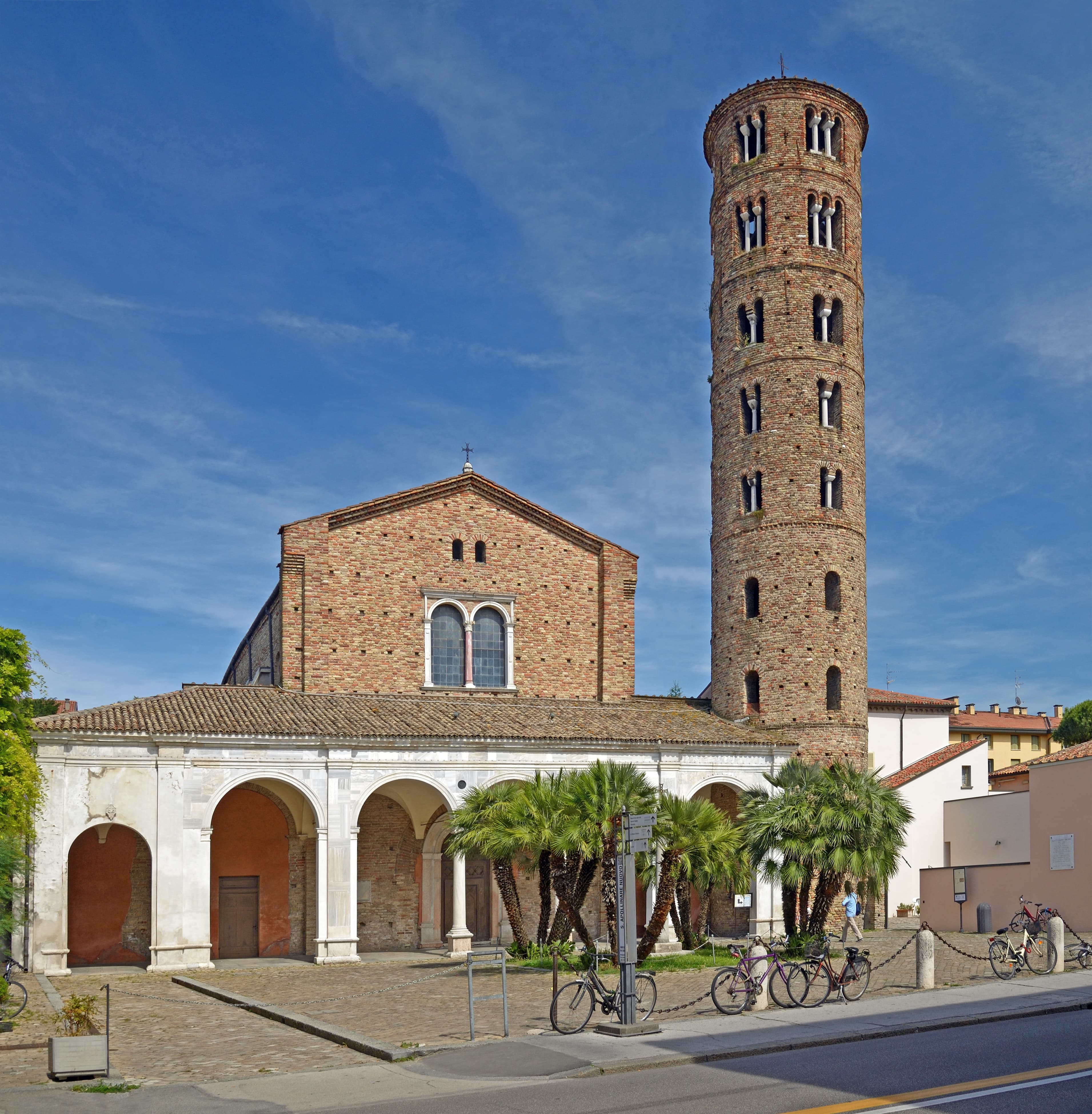
Basilica of Sant'Apollinare Nuovo
A long basilica where processional mosaics, palace-chapel origins, and shifting Christian politics still remain visible along the nave walls.
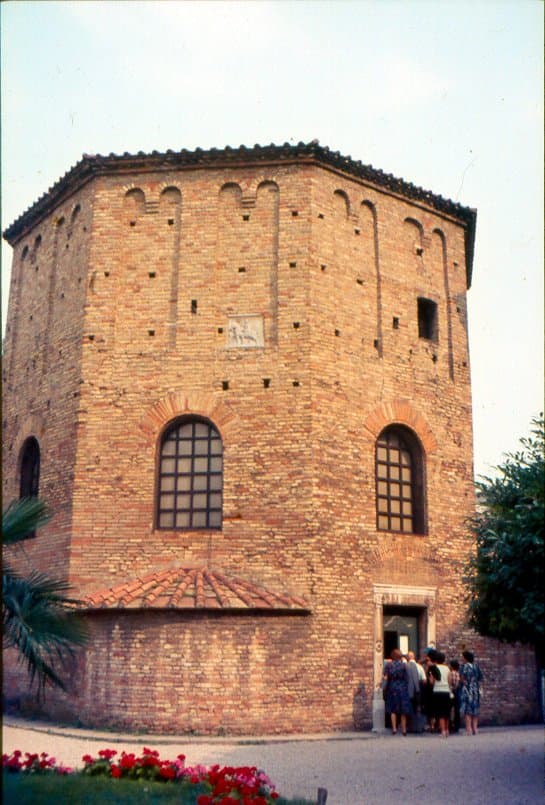
Baptistry of Neon
An early Christian baptistery where font, cupola, and baptismal imagery still hold together one of the most complete initiation spaces from late antiquity.
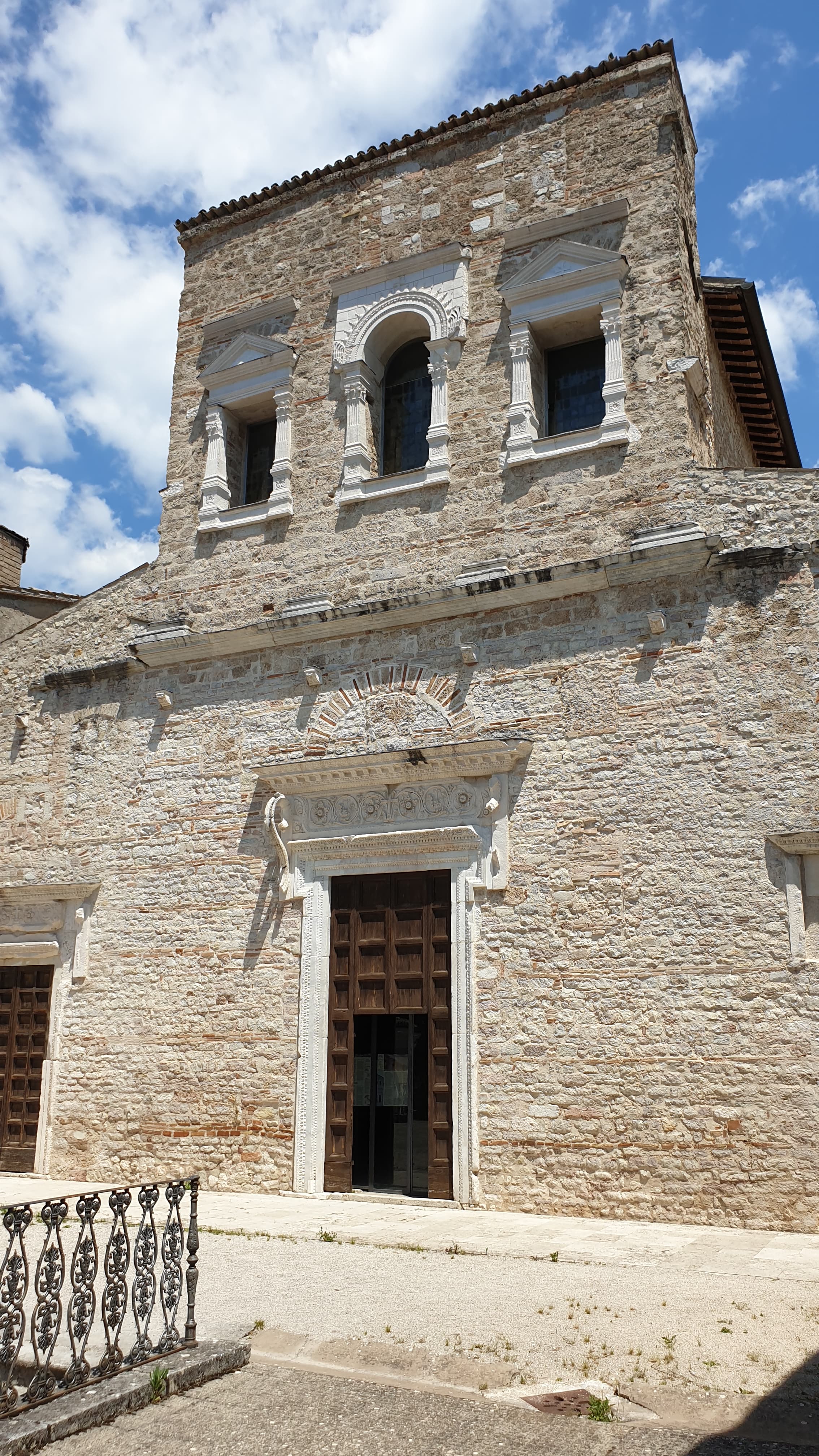
Basilica of San Salvatore, Spoleto
A Lombard basilica where classical columns, vaulted presbytery, and the memory of a funerary church still shape a solemn sacred shell.

Basilica of Our Lady of Guadalupe, Extremadura
A basilica in the Guadalupe Marian monastic sacred ensemble where its Gothic church form, Marian dedication, and still-active Mass, confession, and pilgrimage life keep it legible as the sacred heart of Guadalupe rather than only the grand front hall of the monastery.
Same tradition elsewhere
Christianity sacred sites beyond Western Europe
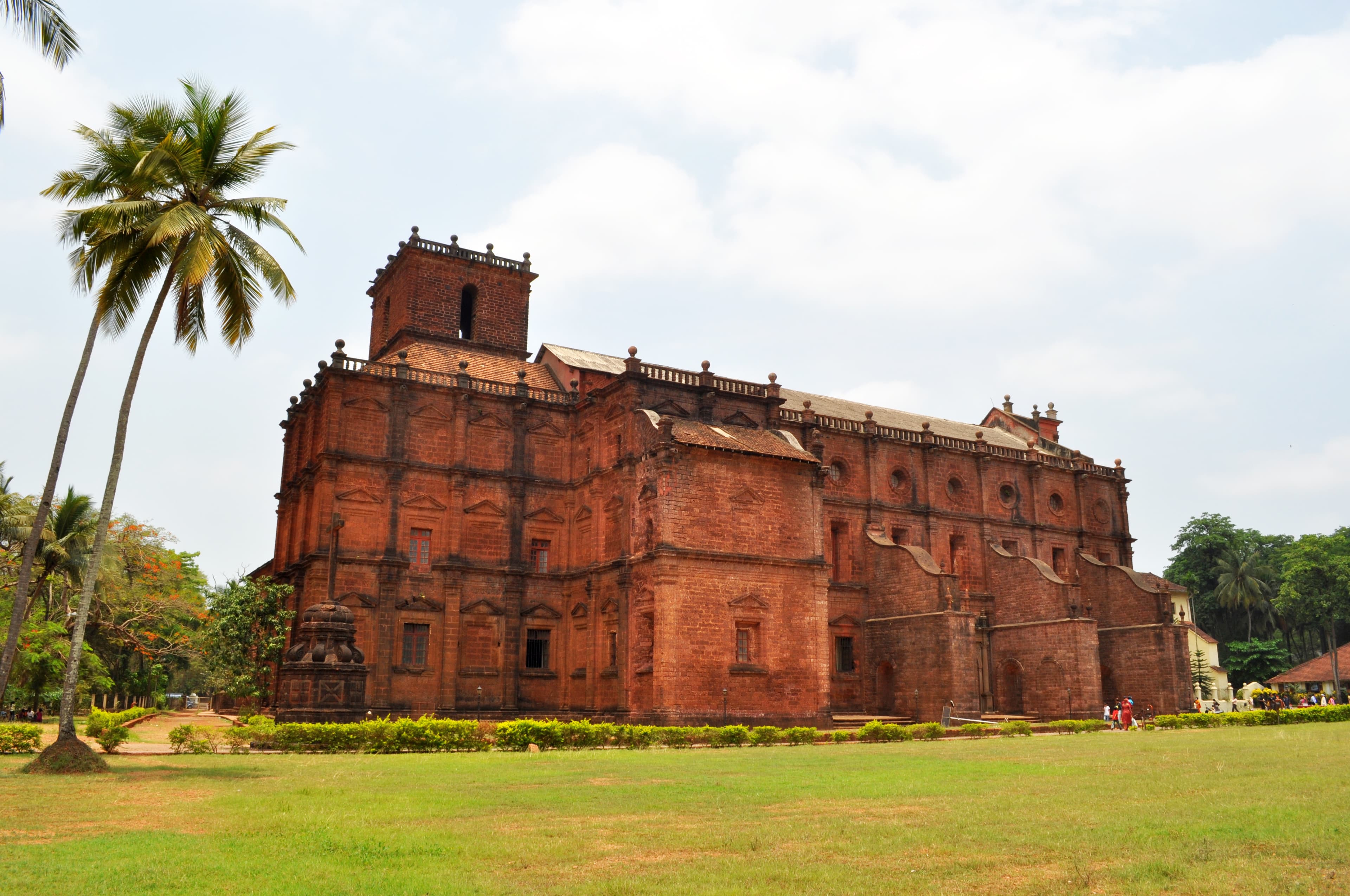
Basilica of Bom Jesus
A Jesuit basilica in Old Goa where the tomb of Saint Francis Xavier keeps the Catholic missionary history of Asia tangibly present.
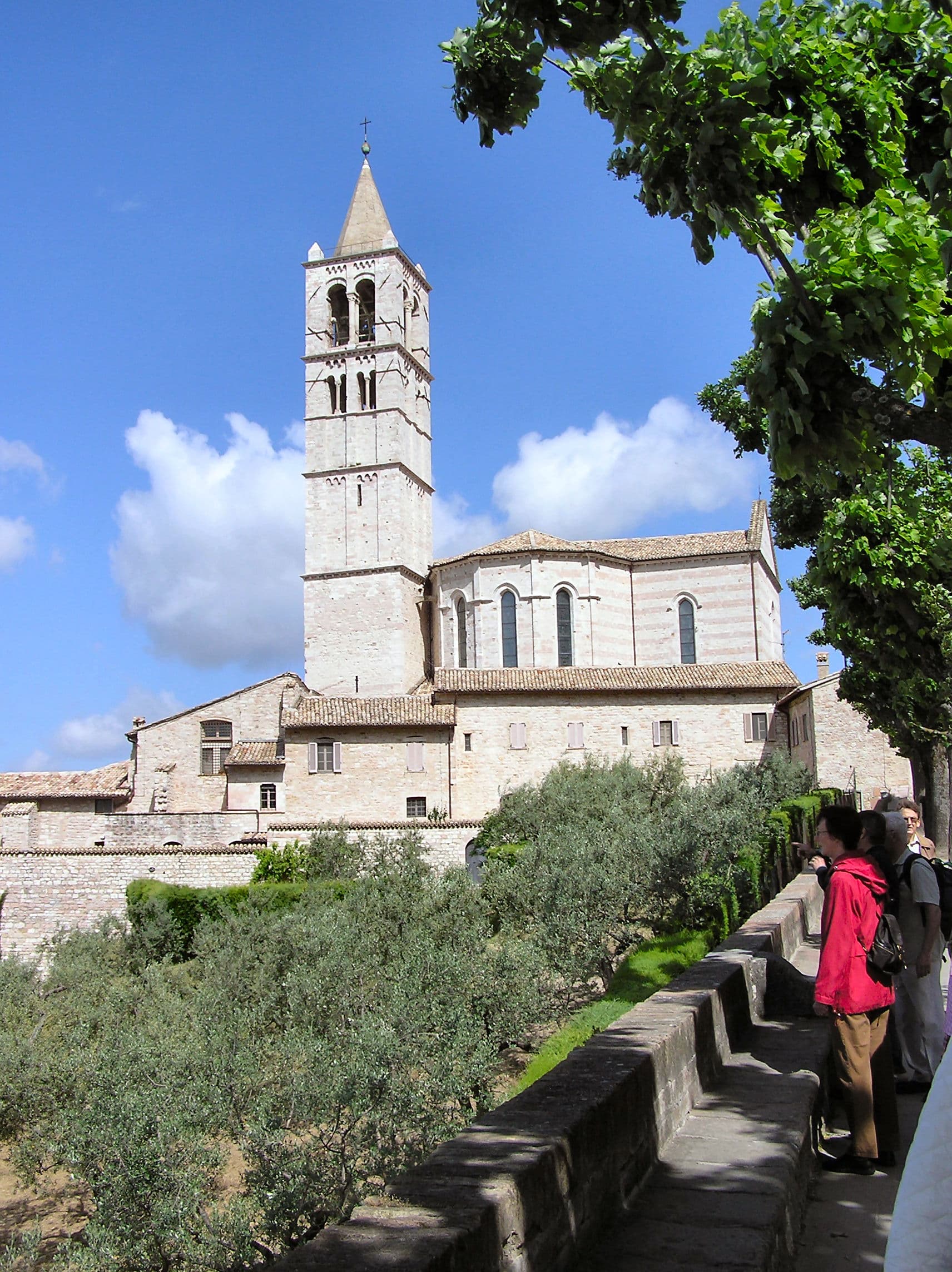
Basilica of Santa Chiara, Assisi
A living basilica where Saint Clare's tomb and the southern edge of Assisi keep Franciscan devotion grounded in place.
Keep exploring