Historical sanctuary
Basilica of San Salvatore, Spoleto
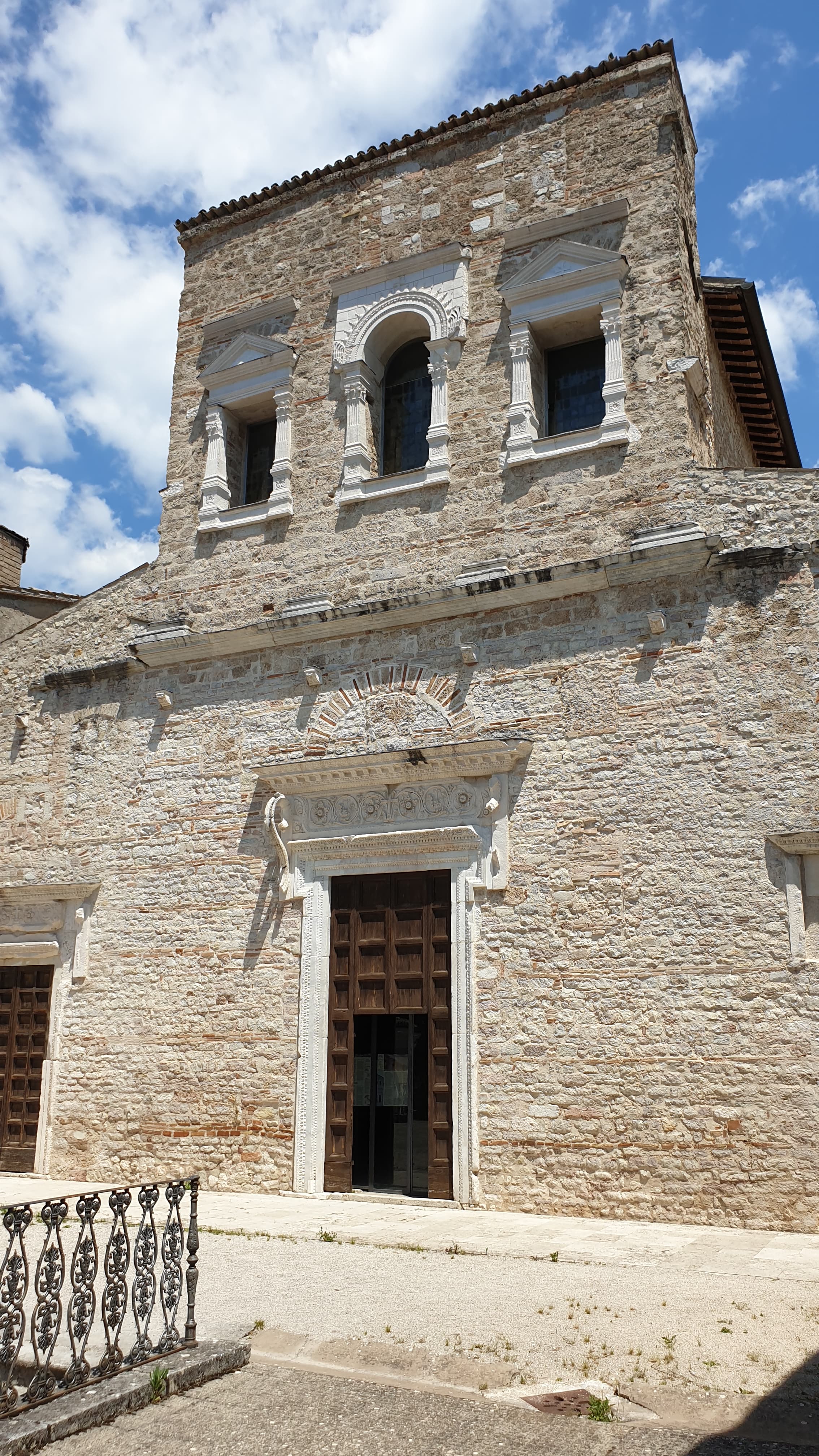
The Basilica of San Salvatore in Spoleto is one of the clearest sacred monuments of Longobard central Italy, and it is strongest when read as a funerary basilica where classical language was reworked for Christian worship.
Visitor essentials
What stands out
Scope note
Keep in view
Keep the basilica's funerary and liturgical character visible rather than treating it only as an elegant classical facade.
At a glance
Before you visit
A Lombard basilica where classical columns, vaulted presbytery, and the memory of a funerary church still shape a solemn sacred shell
Why it matters
UNESCO's evaluation describes the Basilica of San Salvatore as probably a funerary church with a triple-nave basilical plan, a tripartite presbytery, a central octagonal vault before the choir, and classical columns supporting a richly decorated entablature.
That matters here because the basilica shows how Lombard sacred architecture could preserve classical vocabulary while redirecting it into an early medieval Christian ceremonial space.
Respect notes
Visiting notes
Story and context
History and sacred context
Sources
- Official websitePrimary visitor-facing site for current access and institutional context.
- UNESCO entryPrimary authority source for the Longobard serial property and its Christian significance.
- Wikipedia entryWikipedia article for Basilica of San Salvatore, Spoleto.
- Basilica of San Salvatore, Spoleto (Q1868633)Entity anchor for the Basilica of San Salvatore in Spoleto.
- Longobards in Italy. Places of the Power (568-774 A.D.) (Property 1318)Primary authority source for the Longobard serial property and its Christian significance.
- The Longobards in Italy (ICOMOS Evaluation, No 1318)Official evaluation document with site-specific description of the Basilica of San Salvatore in Spoleto.
- Category:San Salvatore (Spoleto)Visual context for the basilica's facade, interior, and architectural details in Spoleto.
- Basilica of San Salvatore, SpoletoWikipedia article for Basilica of San Salvatore, Spoleto.
- Church of San SalvatoreOfficial serial-property association page for the Spoleto component of Longobards in Italy, presenting the Basilica of San Salvatore as the UNESCO-inscribed Lombard monument in Spoleto.
Nearby places
Nearby sacred places in Western Europe
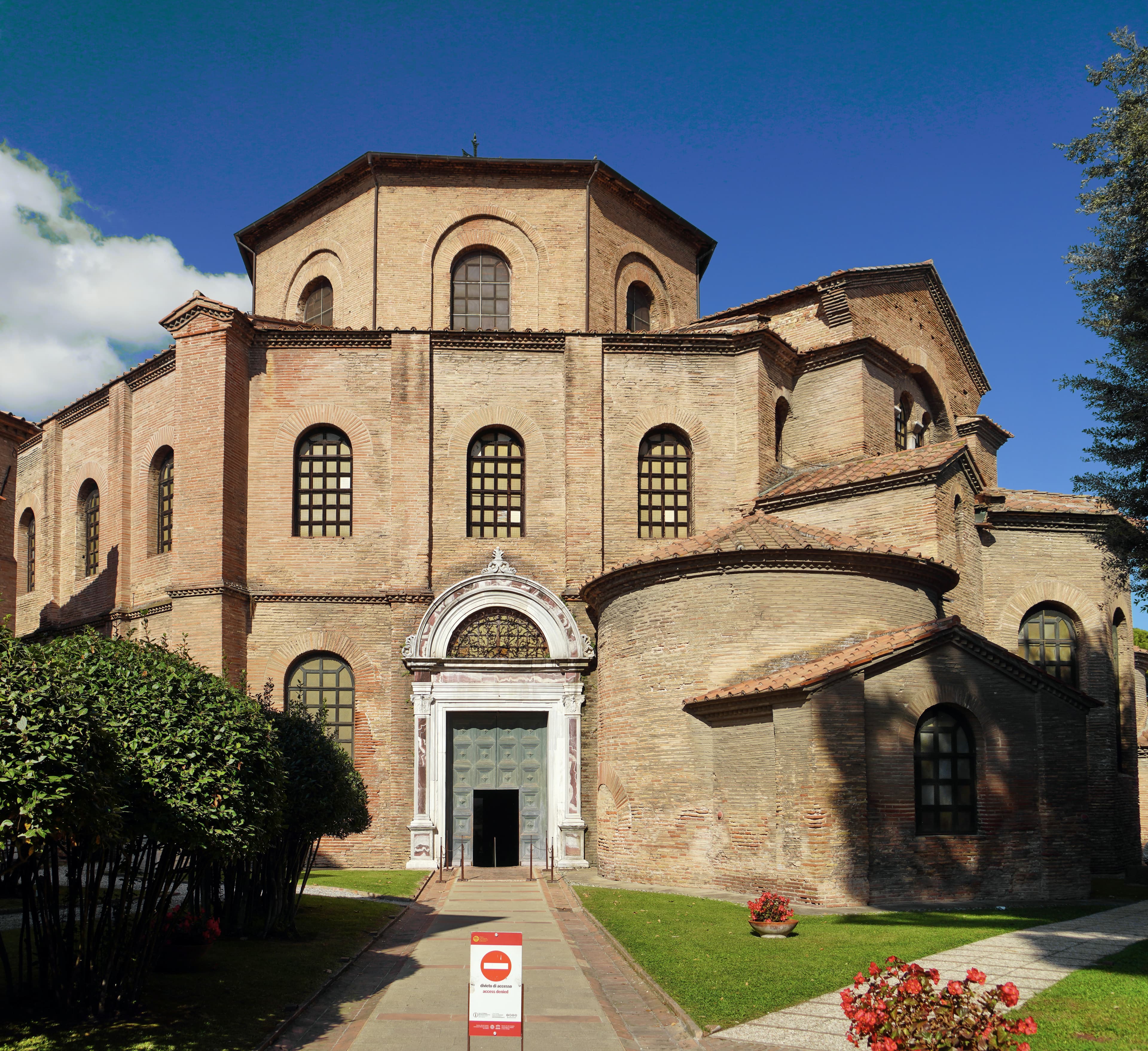
Basilica of San Vitale
A Byzantine basilica where octagonal space, imperial imagery, and luminous mosaics still create one of Christianity's most powerful interiors in the West.
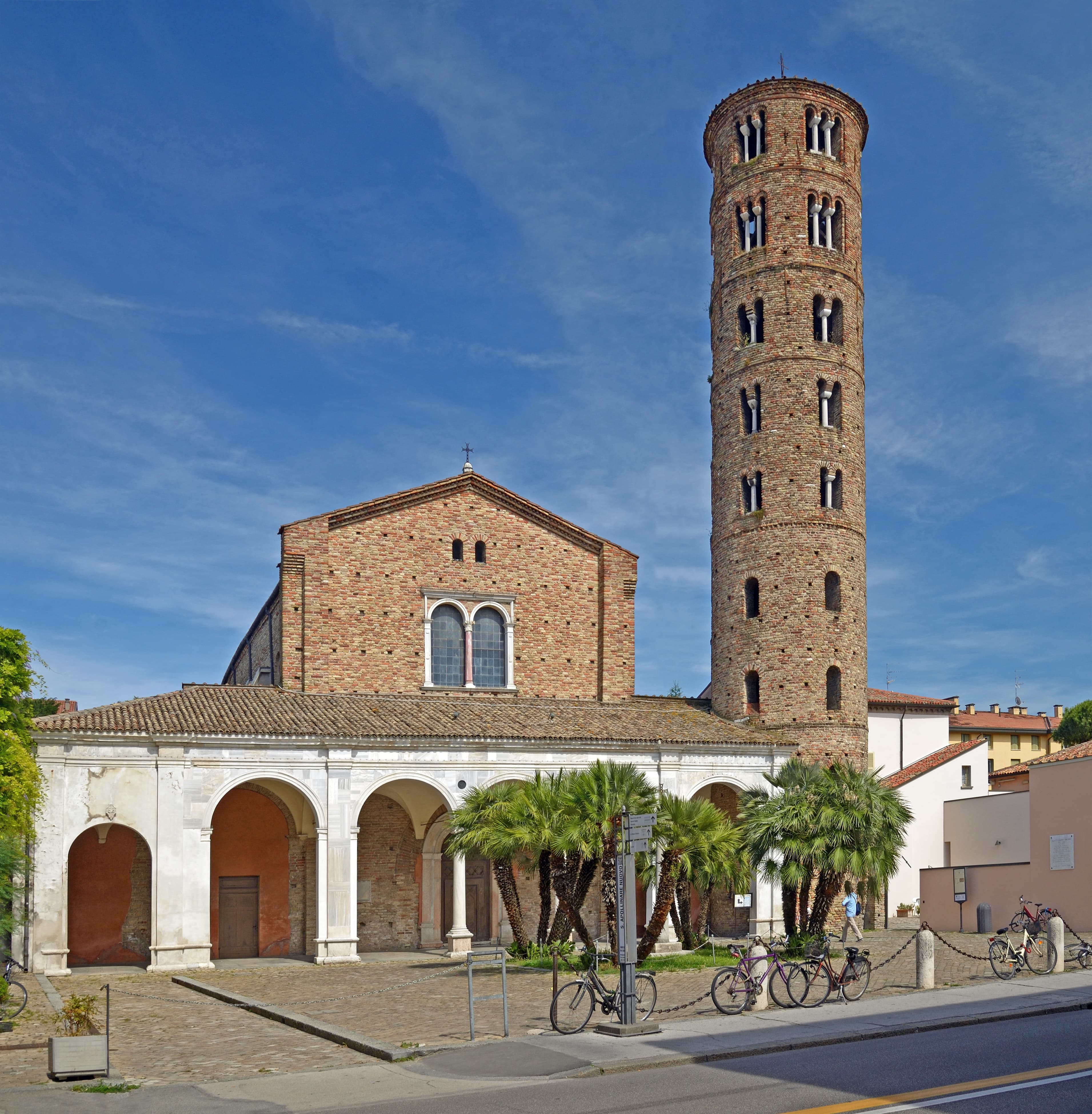
Basilica of Sant'Apollinare Nuovo
A long basilica where processional mosaics, palace-chapel origins, and shifting Christian politics still remain visible along the nave walls.

Basilica of Our Lady of Guadalupe, Extremadura
A basilica in the Guadalupe Marian monastic sacred ensemble where its Gothic church form, Marian dedication, and still-active Mass, confession, and pilgrimage life keep it legible as the sacred heart of Guadalupe rather than only the grand front hall of the monastery.

Basilica of St. Mary of Poblet
A basilica in the Poblet monastic and royal sacred ensemble where its basilical plan, royal tombs, and continued monastic liturgical life still keep it legible as the sacred heart of Poblet rather than only the dominant building inside the walls.
Same tradition elsewhere
Christianity sacred sites beyond Western Europe
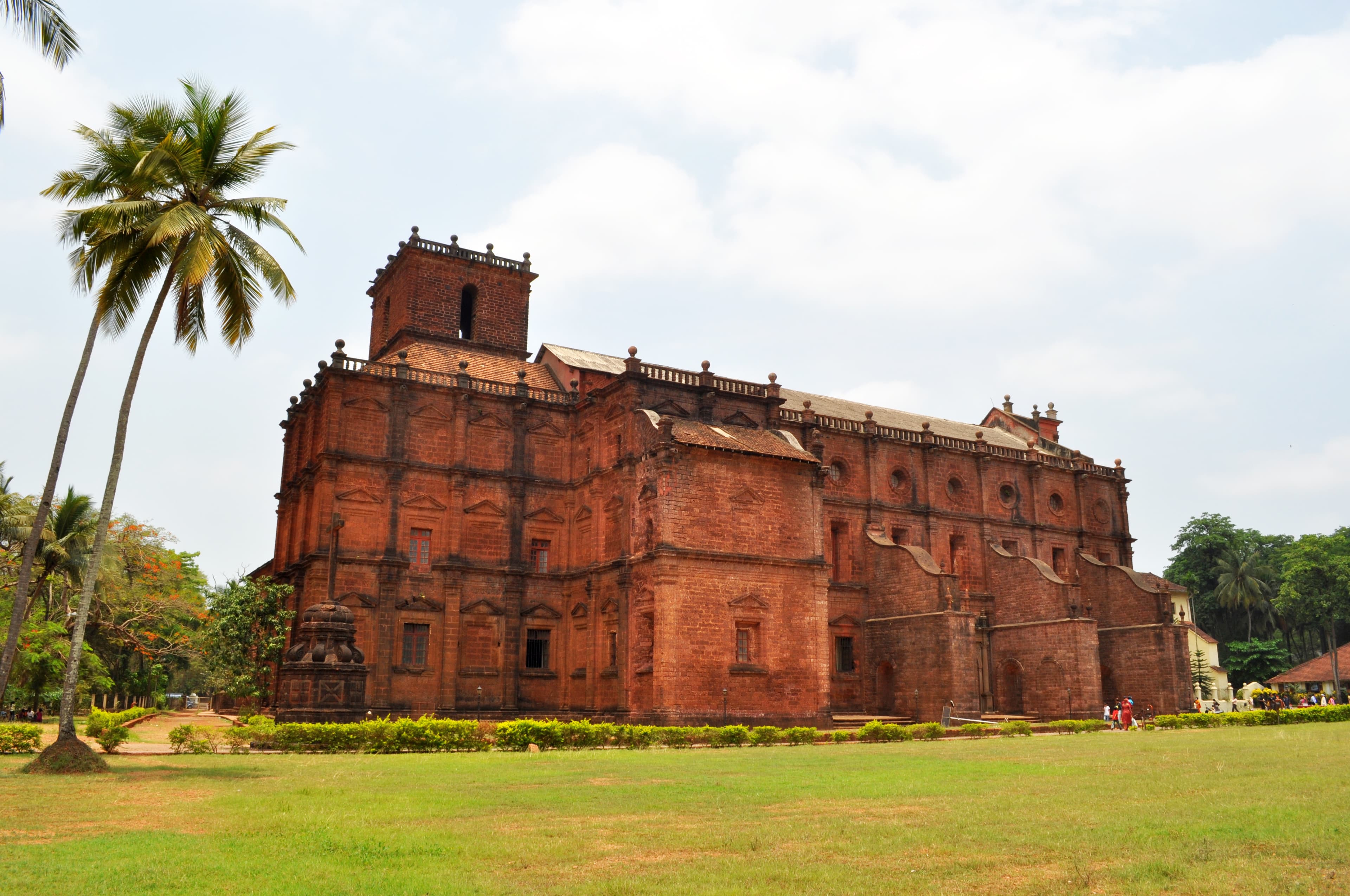
Basilica of Bom Jesus
A Jesuit basilica in Old Goa where the tomb of Saint Francis Xavier keeps the Catholic missionary history of Asia tangibly present.
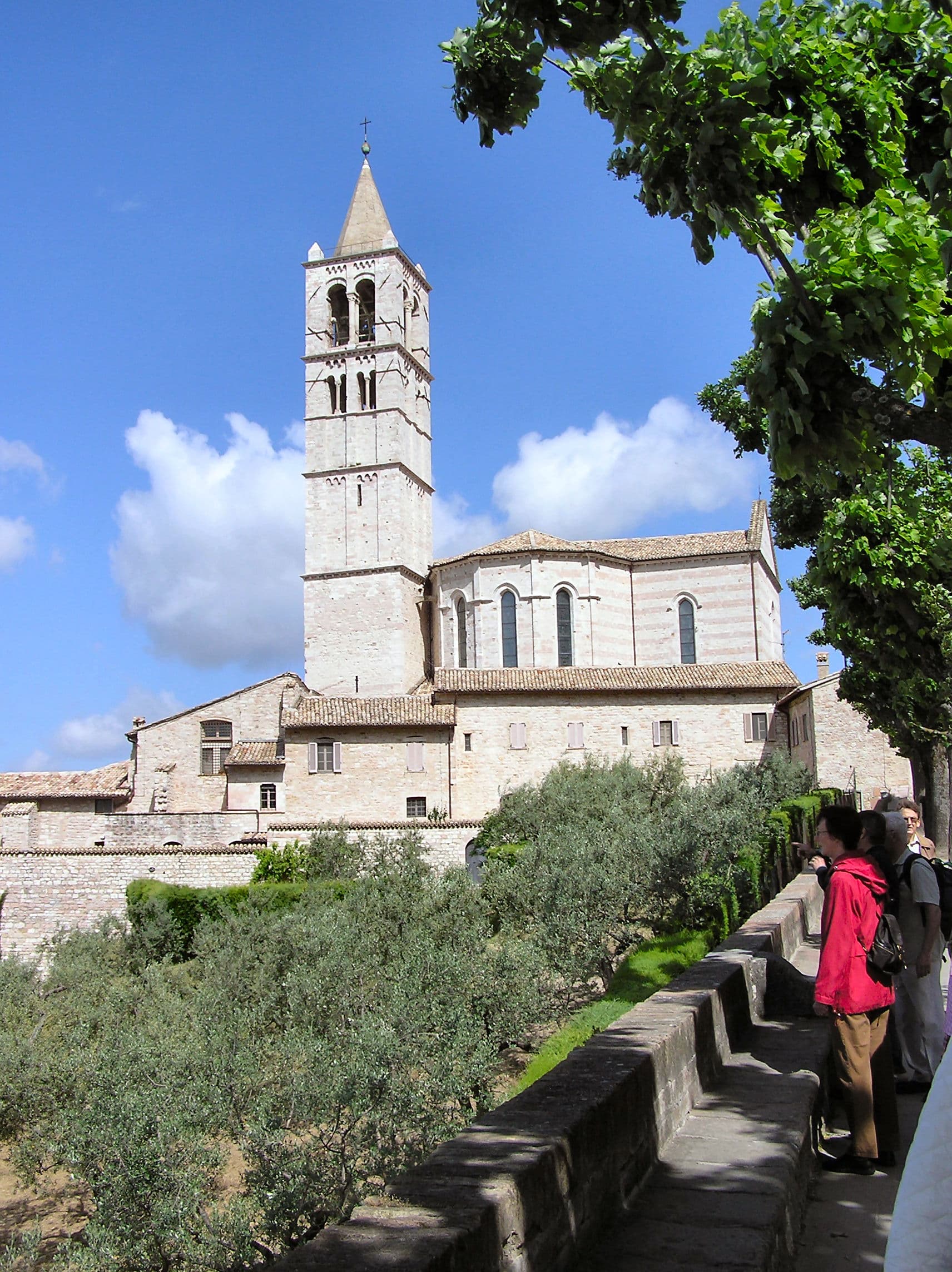
Basilica of Santa Chiara, Assisi
A living basilica where Saint Clare's tomb and the southern edge of Assisi keep Franciscan devotion grounded in place.
Keep exploring