Living sacred site

Baroque Churches of the Philippines

Philippines · Christianity · Sacred church ensemble

Baroque Churches of the Philippines is best understood through the way four churches in different regions still keep one Catholic sacred ensemble visible across Manila, Paoay, Santa Maria, and Miagao.
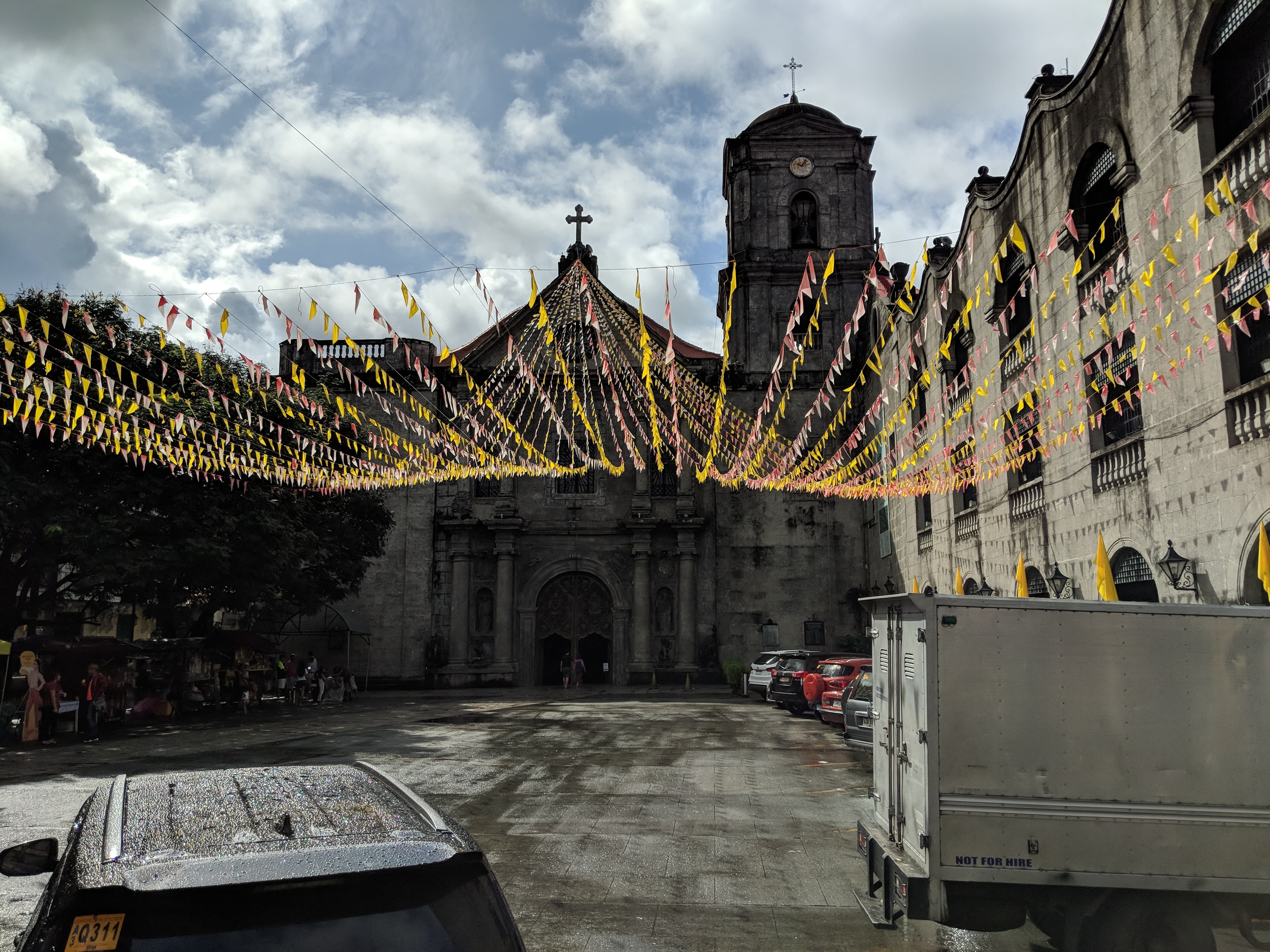
San Agustin Church in Manila representing the Baroque Churches of the Philippines ensemble.
Photo by Lyuk98SourceCC BY-SA 4.0
GeographyAsia · Philippines
TraditionChristianity
EvidenceLiving sacred site
SeasonDrier months and shoulder-season weekdays
AccessManaged worship and visitor access

Visitor essentials

LocationPhilippines
Best seasonDrier months and shoulder-season weekdays
AccessManaged worship and visitor access
OrientationA living Catholic church ensemble across Manila, Paoay, Santa Maria, and Miagao where parish life and regional settings still hold the four churches together as one sacred tradition.
Official informationCurrent visitor information
Route valueBest used inside Philippines rather than as a disconnected stop.

What stands out

The site-specific citations keep the writing specific to the four churches and the shared Catholic tradition that binds them together.

Scope note

Keep in view

Keep Baroque Churches of the Philippines visible as a living Catholic church ensemble rather than reducing it to a national checklist of baroque facades.

At a glance

Before you visit

A living Catholic church ensemble across Manila, Paoay, Santa Maria, and Miagao where parish life and regional settings still hold the four churches together as one sacred tradition

What it isBaroque Churches of the Philippines is best understood through the way four churches in different regions still keep one Catholic sacred ensemble visible across Manila, Paoay, Santa Maria, and Miagao.
Why it mattersUNESCO frames Baroque Churches of the Philippines as a serial Catholic church ensemble where local reinterpretations of baroque form, parish life, and regional sacred identity still hold together one distinctive church tradition, and the supporting site sources keep that shared tradition specific rather than generic.
Living contextUNESCO is especially useful here because it keeps Baroque Churches of the Philippines legible as a connected church ensemble rather than isolating it as only a national checklist of baroque church facades.
Visiting todayThe site is strongest when approached slowly enough to register the relation between Manila, Paoay, Santa Maria, and Miagao within one Philippine Catholic building tradition.
Best time to goBest season is Drier months and shoulder-season weekdays.
How it fits a routeTreat Philippines as the main cluster and combine this stop with Church of San Agustin, Paoay instead of isolating it from the wider sacred geography.

Why it matters

UNESCO frames Baroque Churches of the Philippines as a serial Catholic church ensemble where local reinterpretations of baroque form, parish life, and regional sacred identity still hold together one distinctive church tradition, and the supporting site sources keep that shared tradition specific rather than generic.

That matters because Baroque Churches of the Philippines is strongest as a living Catholic church ensemble rather than only a national checklist of baroque church facades.

Respect notes

Lead with Catholic parish-life, church-cluster, and regional sacred-tradition context before scenic or purely monumental language.
Keep the site anchored in Catholic parish-life and regional church context rather than treating it as only a national checklist of baroque church facades.

Visiting notes

A slower stop helps because the site is carried by the relation between Manila, Paoay, Santa Maria, and Miagao within one Philippine Catholic building tradition more than by one quick view.
The property makes the most sense when Manila, Paoay, Santa Maria, and Miagao are read together as one living Catholic church ensemble.

Story and context

History and sacred context

UNESCO is especially useful here because it keeps Baroque Churches of the Philippines legible as a connected church ensemble rather than isolating it as only a national checklist of baroque church facades.

Sources

  • Official websiteOfficial sitePrimary visitor-facing site for current access and institutional context.
  • UNESCO entryUNESCO World Heritage CentrePrimary authority source for the four-church serial property and its sacred-building significance.
  • Wikipedia entryWikipediaWikipedia article for Baroque Churches of the Philippines.
  1. Baroque Churches of the Philippines (Property 677)UNESCO World Heritage Centre · Heritage authorityPrimary authority source for the four-church serial property and its sacred-building significance.Accessed 2026-04-23
  2. Baroque Churches of the Philippines - MapsUNESCO World Heritage Centre · Heritage authorityOfficial component table for the Baroque Churches of the Philippines serial property.Accessed 2026-04-23
  3. San Agustin Church (Q1306513)Wikidata · Entity referenceEntity anchor for the Manila church, including its official UNESCO component name and Catholic identity.Accessed 2026-04-23
  4. Paoay Church (Q2796994)Wikidata · Entity referenceEntity anchor for the Paoay church, including its Catholic parish identity and official component name.Accessed 2026-04-23
  5. Miagao Church (Q2660525)Wikidata · Entity referenceEntity anchor for the Miagao church as a component of the Baroque Churches of the Philippines.Accessed 2026-04-23
  6. Santa Maria Church (Q2197993)Wikidata · Entity referenceEntity anchor for Santa Maria Church as a component of the Baroque Churches of the Philippines.Accessed 2026-04-23
  7. Baroque Churches of the PhilippinesWikipedia · Entity referenceWikipedia article for Baroque Churches of the Philippines.Accessed 2026-04-25
  8. World Heritage Sites - PhilippinesUNESCO National Commission of the Philippines · Official siteInstitution-managed Philippine UNESCO National Commission page listing the Baroque Churches of the Philippines and its four church components.Accessed 2026-04-29

Nearby places

Nearby sacred places in Philippines
Same tradition elsewhere

Christianity sacred sites beyond Philippines
Keep exploring

Explore more