Region
Philippines
An island sacred-travel region shaped by active Catholic parish life, Spanish-period church building, and a distinctive seismic adaptation known through the UNESCO baroque-church cluster.
Quick explainer
How to use this regional lens
This short explainer tells users what makes the region distinct, who it suits, and how to move through it.
Regional character
A sacred geography with its own travel rhythm
The Philippines is one of the clearest places in Asia to study how Catholic sacred architecture adapted to local conditions rather than simply copying European models. UNESCO's Baroque Churches of the Philippines frames four churches in Manila, Santa Maria, Paoay, and Miagao as a shared tradition shaped by local craftsmen and the physical demands of the archipelago.
That gives the region a distinct rhythm for sacred travel. These places are not museum-only ruins or detached monuments; they are still recognizable as parish churches and devotional centers even while carrying global heritage status.
Featured places
Sacred places in Philippines
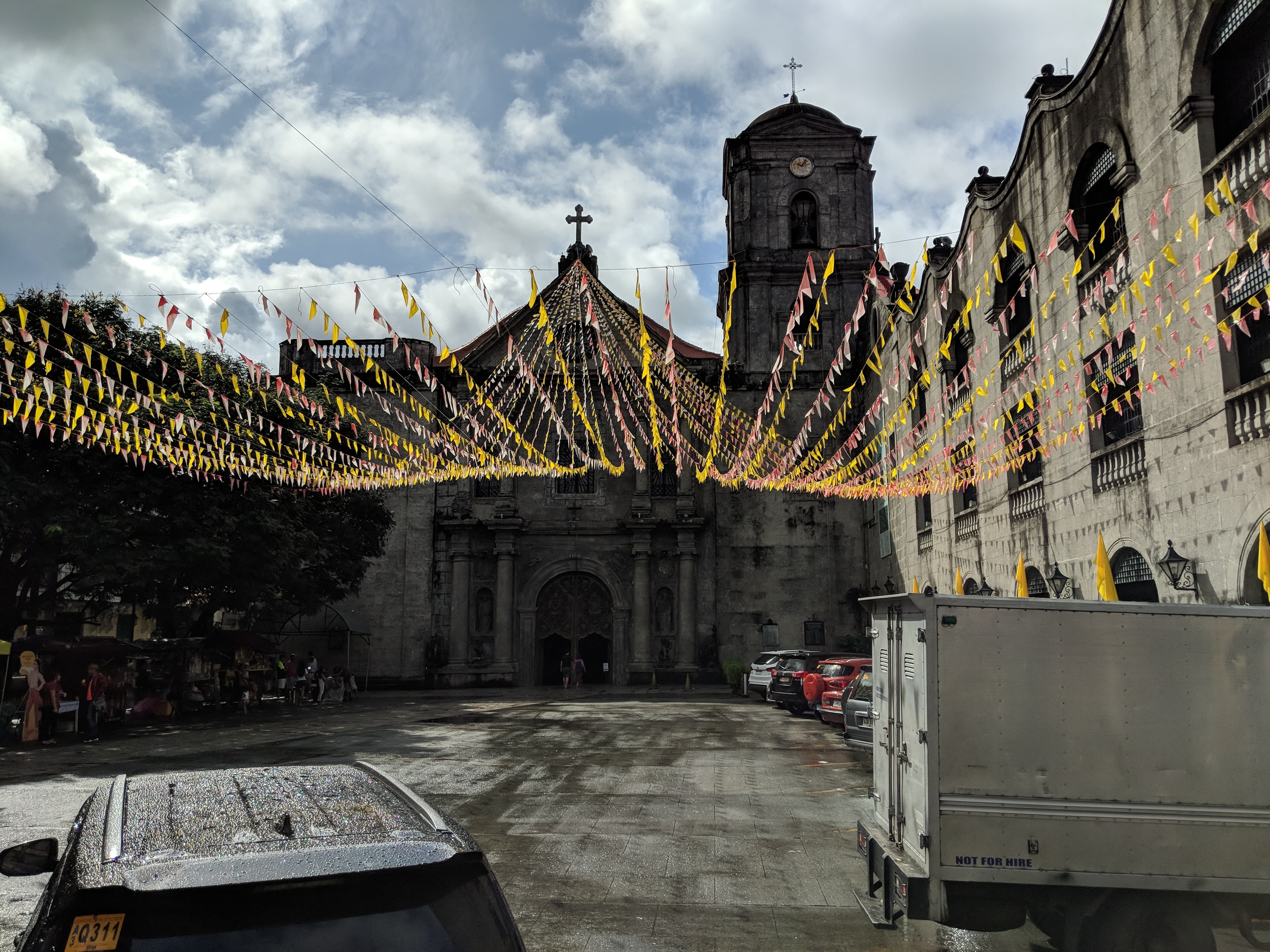
Baroque Churches of the Philippines
A living Catholic church ensemble across Manila, Paoay, Santa Maria, and Miagao where parish life and regional settings still hold the four churches together as one sacred tradition.
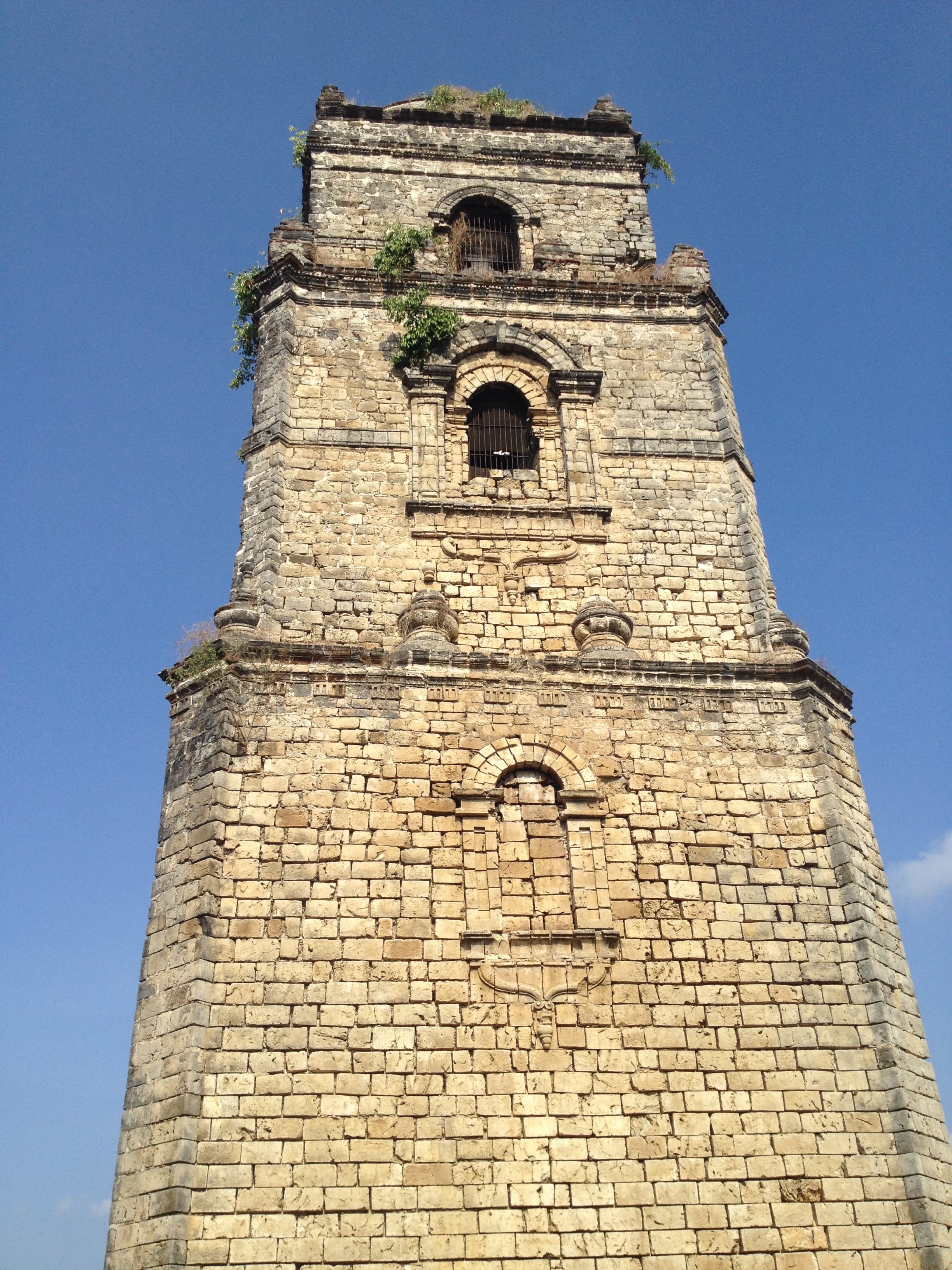
Church of San Agustin, Paoay
The most monumental of the Philippine baroque churches, still an active parish while its great buttresses define the local sacred skyline.
Planning signals
Seasonality, access, and site-type patterns
These quick signals make the regional planning shape explicit without forcing a full itinerary yet.
Best by constraint
Use the region through practical constraints, not just one flat place list
These shortcuts are the first pass at long-tail planning questions like mythology, archaeology, season, car-light access, and first-time fit.
FAQ
Questions this regional hub should answer quickly
Keep exploring
Continue through the strongest relationships inside this region
Links
Reference links and sources
Direct reference links for this entry, with supporting source material below.
- UNESCO entryPrimary authority source for the four-church serial property and its shared sacred-building tradition.
- Wikipedia entryWikipedia article for Philippines.
- Philippines (Q928)Entity anchor for the Philippines as an archipelagic country in Southeast Asia.
- Baroque Churches of the Philippines (Property 677)Primary authority source for the four-church serial property and its shared sacred-building tradition.
- Baroque Churches of the Philippines - MapsOfficial component table for the four inscribed churches in Manila, Santa Maria, Paoay, and Miagao.
- San Agustin Church (Q1306513)Entity anchor for the Manila church component and its continuing Catholic identity.
- Santa Maria Church (Q2197993)Entity anchor for the Santa Maria component and its continuing parish role.
- Paoay Church (Q2796994)Entity anchor for the Paoay component and its Catholic parish identity.
- Miagao Church (Q2660525)Entity anchor for the Miagao component and its Catholic parish identity.
- PhilippinesWikipedia article for Philippines.