Tradition
Celtic religion
Use this tradition for pre-Christian Irish and wider Celtic sacred landscapes where kingship, inauguration, burial monuments, mythic memory, and seasonal ritual framing remain central.
Quick explainer
How to use this tradition lens
This short explainer tells users what the tradition foregrounds, how it feels on the ground, and when that lens is most useful.
Core concepts
This page teaches the lens, then points to the places.
Celtic religion needs its own lens here because sites like the Hill of Tara are not best understood as neutral archaeological enclosures. Heritage Ireland and museum framing keep kingship, prehistoric burial monuments, and mythic memory visible as parts of one long sacred landscape.
That makes this tradition especially useful for places where later Christian overlays matter, but where the deeper sacred logic still depends on ritual landscape, inauguration, and legendary or ancestral authority.
Places
Major places connected to Celtic religion
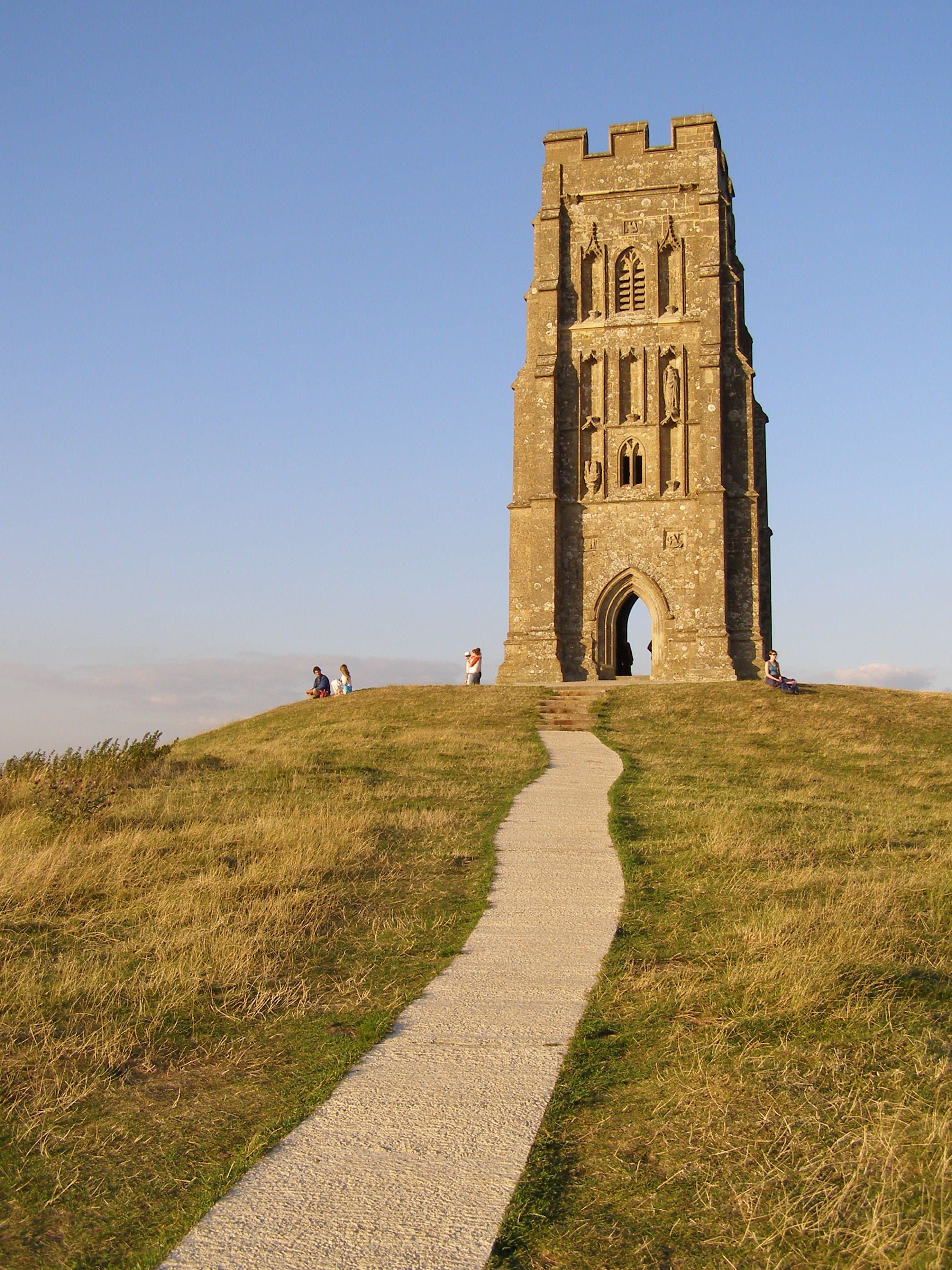
Glastonbury Tor
A layered hilltop where Christian devotion, local memory, and Arthurian legend continue to overlap.
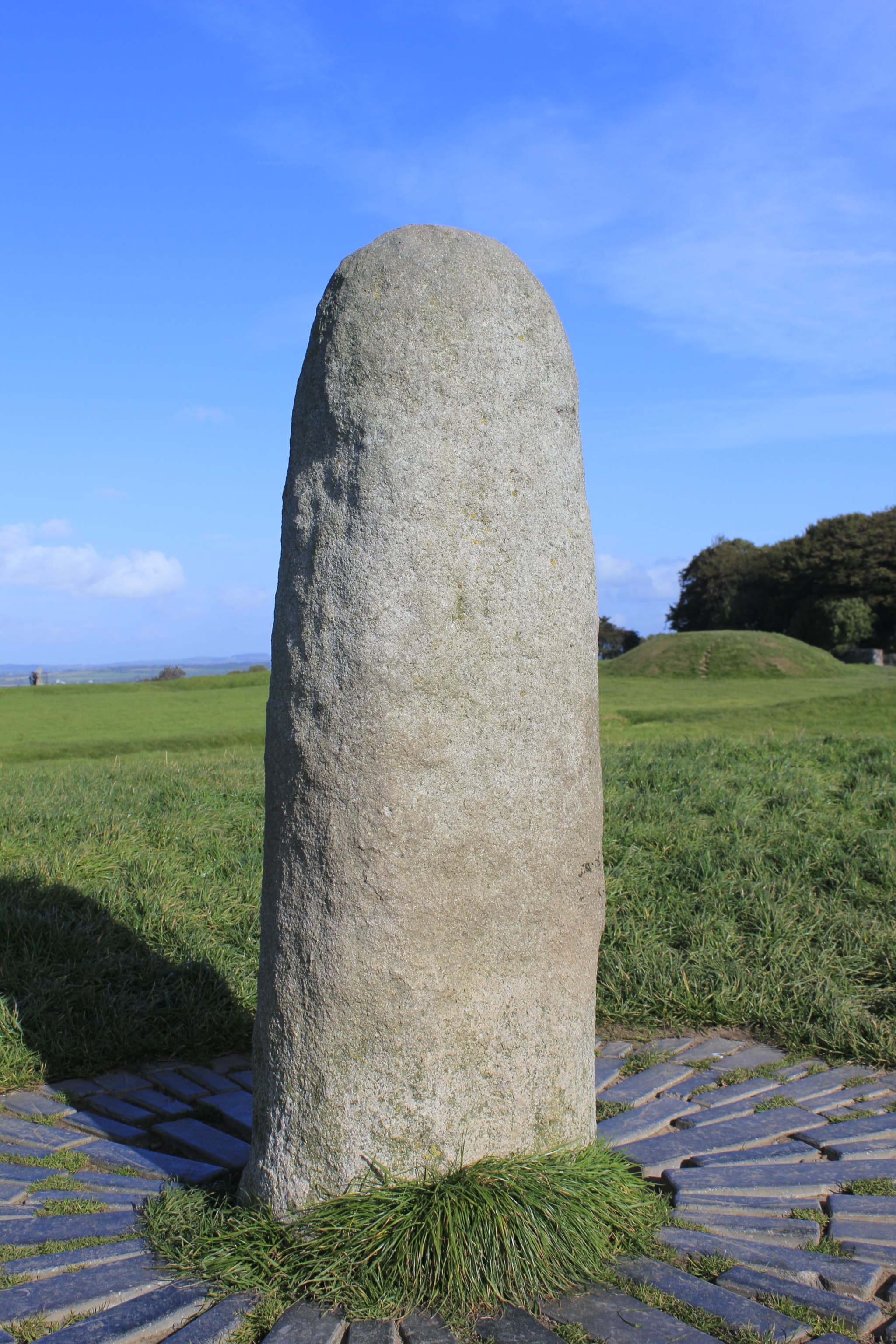
Hill of Tara
An ancient Irish royal and sacred hill where prehistoric tombs, enclosures, coronation memory, and later Christian layers still share the same ground.
Sacred geographies
Where this tradition clusters most strongly right now
These region links turn the belief lens back into geography when the next step should be spatial rather than purely conceptual.
Patterns
Site-type lanes that recur across this tradition
This gives the tradition page a stronger browse structure than a single flat place list.
Journeys
Routes that make this tradition easier to travel
These route summaries connect belief context back to practical trip logic.
Respect and evidence
How this tradition page handles access, myth, and historical framing
Best by constraint
Use the tradition through practical constraints, not just belief labels
These shortcuts are the first pass at long-tail planning questions like mythology, archaeology, season, car-light access, and first-time fit.
FAQ
Questions this tradition hub should answer quickly
Keep exploring
Continue through the regions and place clusters that express this tradition
Links
Reference links and sources
Direct reference links for this entry, with supporting source material below.
- UNESCO entryMuseum context for the Mound of the Hostages and Tara's longer prehistoric ceremonial significance.
- Wikidata entryEntity anchor for the Hill of Tara in County Meath.
- Hill of TaraOfficial heritage overview describing Tara as an important late Stone Age, Iron Age, and early Christian royal site and seat of the high kings of Ireland.
- Rites of Passage at TaraMuseum context for the Mound of the Hostages and Tara's longer prehistoric ceremonial significance.
- Hill of Tara (Q835979)Entity anchor for the Hill of Tara in County Meath.