Living sacred site
Yumedono, Horyu-ji
Yumedono, Horyu-ji is the Eastern Precinct's best-known sacred hall, and its importance lies in how octagonal form, memory, and a more secluded precinct atmosphere create a distinct center within the wider temple world.

Visitor essentials
What stands out
Scope note
Keep in view
Keep it visible as a devotional center in the Eastern Precinct rather than only as an unusual octagonal structure.
At a glance
Before you visit
The octagonal Hall of Dreams in Horyu-ji's Eastern Precinct, where the temple's quieter devotional register becomes visible
Why it matters
UNESCO frames Buddhist Monuments in the Horyu-ji Area as an early Japanese Buddhist temple landscape where halls, pagodas, and precinct layout preserve one of the clearest surviving material worlds of Buddhism's first centuries in Japan, and the supporting site sources keep Yumedono, Horyu-ji legible as a hall within the Horyu-ji Buddhist precinct in Ikaruga.
That matters because Yumedono, Horyu-ji is strongest as a distinct devotional center in the Eastern Precinct rather than only the unusual octagonal building at Horyu-ji.
Respect notes
Visiting notes
Story and context
History and sacred context
Sources
- Official websitePrimary visitor-facing site for current access and institutional context.
- UNESCO entryPrimary authority source for the Horyu-ji area as an early Buddhist monument landscape central to the spread of Buddhism in Japan.
- Wikipedia entryWikipedia article for Hōryū-ji Temple.
- Buddhist Monuments in the Horyu-ji Area (Property 660)Primary authority source for the Horyu-ji area as an early Buddhist monument landscape central to the spread of Buddhism in Japan.
- Hōryū-ji Temple (Q261932)Entity anchor for Horyu-ji as a Buddhist temple and component of the Horyu-ji world heritage property.
- Category:Hōryū-jiVisual context for Horyu-ji as a Buddhist precinct of halls, pagoda, gates, and courtyards in Ikaruga.
- Yumedono (Q107020517)Entity anchor for Yumedono, the Hall of Dreams in Horyu-ji's Eastern Precinct.
- Category:Yumedono, Horyu-jiVisual context for Yumedono and its octagonal hall setting within Horyu-ji's Eastern Precinct.
- Hōryū-ji TempleWikipedia article for Hōryū-ji Temple.
- Official website of Yumedono, Horyu-jiOfficial website for Yumedono, Horyu-ji.
Nearby places
Nearby sacred places in Japan
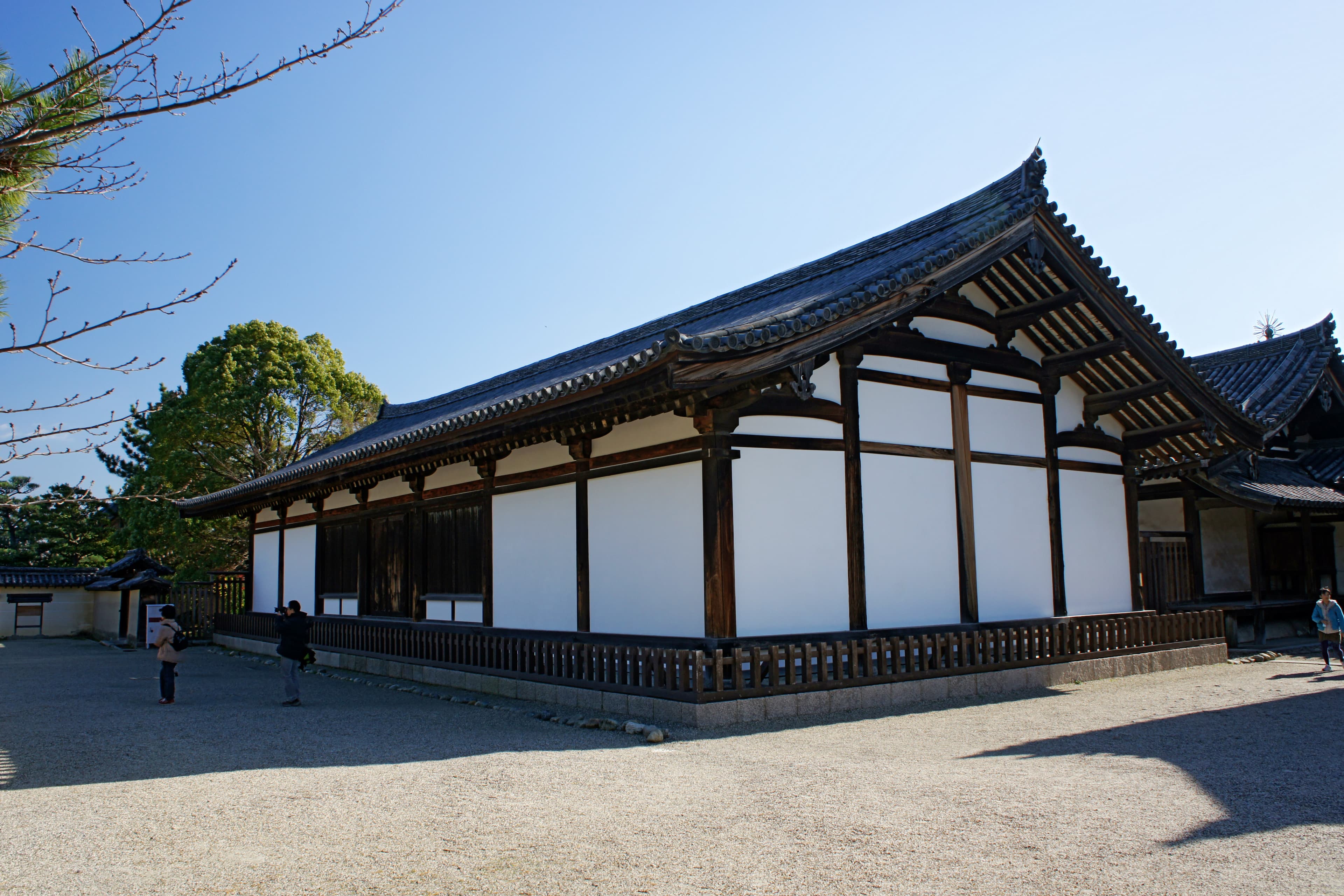
Denpodo, Horyu-ji
A quieter Eastern Precinct hall that keeps Horyu-ji's sacred eastern zone broader than Yumedono alone.

Kami-no-Mido, Horyu-ji
A quieter Horyu-ji hall where Shakyamuni and guardian figures keep a distinct devotional center alive.
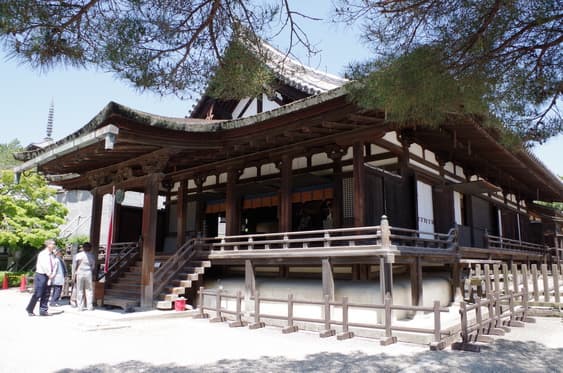
Shoryo-in, Horyu-ji
A memorial hall that keeps remembrance and devotion inside Horyu-ji's living precinct.

West Octagonal Hall, Horyu-ji
A quieter octagonal hall that shows Horyu-ji's sacred world reaches beyond its most famous court.
Regional journeys
Journeys in Japan
Kiyomizu-dera Hall Temple Precinct
A Kiyomizu-dera subroute through the temple's major halls that reads the precinct structurally rather than through the broader mountain-stage and gate sequence alone.
Horyu-ji Temple Sequence
A Horyu-ji route through pagoda, hall, and image-centered stops that reads the precinct as a layered early Buddhist complex rather than as a single famous building.
Keep exploring