Historical sacred site

Urnes Stave Church

Luster, Norway · Lutheranism · Wooden church

Urnes Stave Church matters because UNESCO treats it as an outstanding example of traditional Scandinavian wooden architecture, while the church's own page keeps its age, surviving carved sections, and long liturgical adaptation visible in one preserved sacred place.
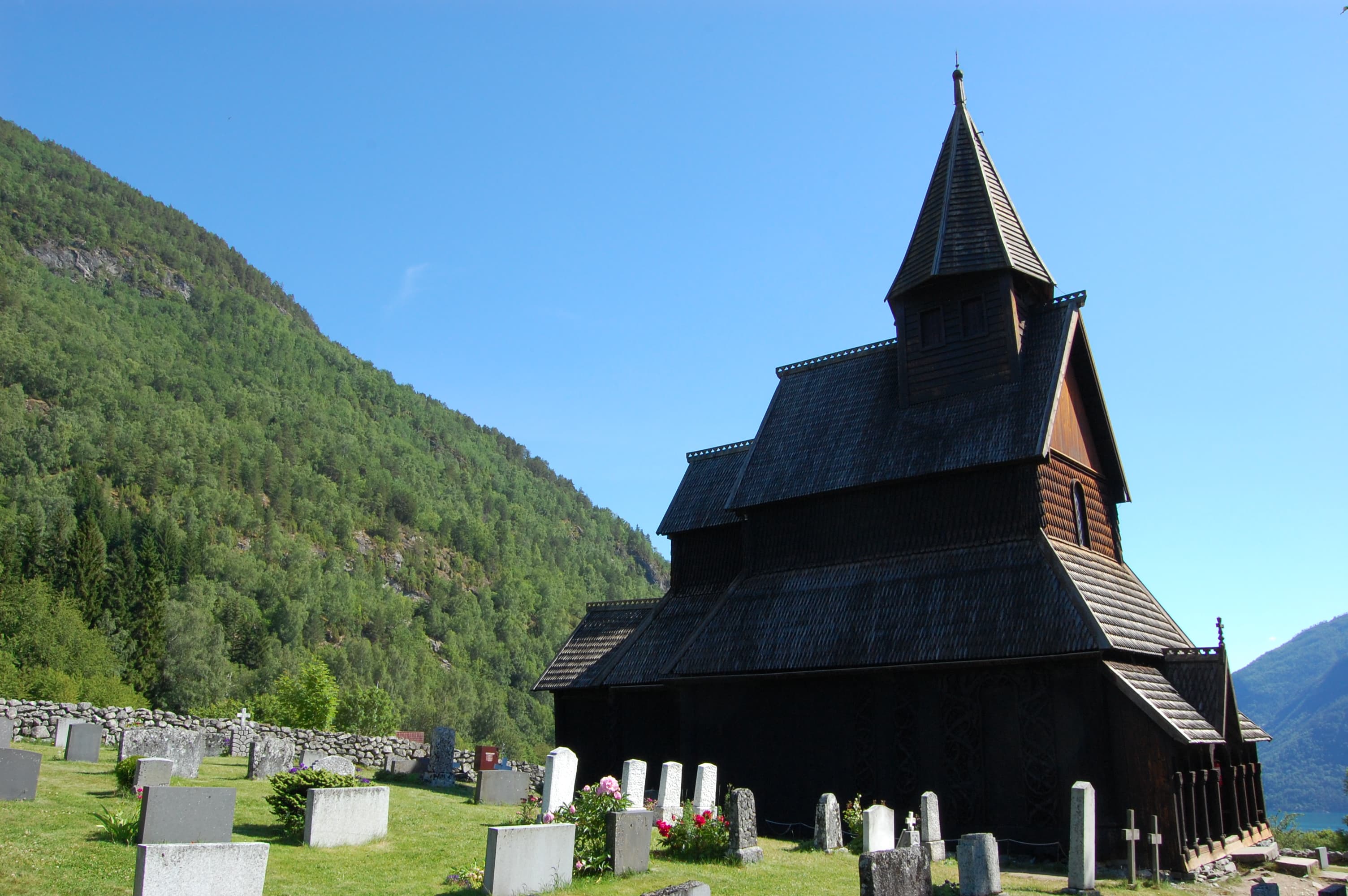
Urnes Stave Church in Luster, Norway.
Photo by karaianSourceCC BY 2.0
GeographyEurope · Norway · Nordics
TraditionLutheranism
EvidenceHistorical sacred site
SeasonLate spring to early autumn
AccessSeasonal managed access

Visitor essentials

LocationLuster, Norway
Best seasonLate spring to early autumn
AccessSeasonal managed access
OrientationNorway's oldest stave church, where Viking, Celtic, and Romanesque forms still meet in one extraordinary wooden sanctuary.
Official informationCurrent visitor information
Route valueBest used inside Nordics rather than as a disconnected stop.

What stands out

Wikidata is most useful as a precise local anchor for Urnes Stave Church in Luster.

Scope note

Keep in view

Lead with preserved sacred architecture and layered symbolism, not only UNESCO prestige.

At a glance

Before you visit

Norway's oldest stave church, where Viking, Celtic, and Romanesque forms still meet in one extraordinary wooden sanctuary

What it isUrnes Stave Church matters because UNESCO treats it as an outstanding example of traditional Scandinavian wooden architecture, while the church's own page keeps its age, surviving carved sections, and long liturgical adaptation visible in one preserved sacred place.
Why it mattersUNESCO describes Urnes as an outstanding example of traditional Scandinavian wooden architecture built in the twelfth and thirteenth centuries, bringing together traces of Celtic art, Viking traditions, and Romanesque spatial structure.
ContextUNESCO is the key broader source because it explains why Urnes matters beyond Norway, while the official church page grounds that significance in the building's exact surviving fabric and opening season.
Visiting todayThe church is generally open through the main visitor season from May into late September; outside that period, expect more limited access and check the official page before planning.
Best time to goBest season is Late spring to early autumn.
How it fits a routeUse Nordics as the main regional frame for this stop rather than treating it as a standalone destination cut off from the surrounding sacred geography.

Why it matters

UNESCO describes Urnes as an outstanding example of traditional Scandinavian wooden architecture built in the twelfth and thirteenth centuries, bringing together traces of Celtic art, Viking traditions, and Romanesque spatial structure.

The official Urnes page strengthens that by calling it Norway's oldest and most highly decorated stave church and by explaining that decorated sections from an earlier church were incorporated into the present building.

That layered survival matters because the interior still shows how the church was adapted through the centuries to changing religious and practical needs rather than being preserved as a frozen shell.

Respect notes

Treat Urnes first as a preserved church with layered sacred history, not only as a masterpiece of Viking-age ornament or a UNESCO stop.
Keep carving, liturgical adaptation, and the church's natural fjord setting in the same frame so the page does not flatten into decorative detail alone.

Visiting notes

The clearest visiting window is the main season from early May through late September, when the official page posts regular daily opening hours.
A slower visit matters because the church's carved portals, elevated central space, and visible layers from different building phases are easiest to understand together.

Story and context

History and sacred context

UNESCO is the key broader source because it explains why Urnes matters beyond Norway, while the official church page grounds that significance in the building's exact surviving fabric and opening season.

Sources

  • Official websiteOfficial sitePrimary visitor-facing site for current access and institutional context.
  • UNESCO entryUNESCO World Heritage CentreAuthority source for the church's outstanding Scandinavian wooden architecture and its combination of Celtic, Viking, and Romanesque elements.
  • Wikipedia entryWikipediaWikipedia article for Urnes Stave Church.
  1. Urnes Stave Church (Property 58)UNESCO World Heritage Centre · Heritage authorityAuthority source for the church's outstanding Scandinavian wooden architecture and its combination of Celtic, Viking, and Romanesque elements.Accessed 2026-04-24
  2. Urnes Stave ChurchStavechurch.com · Official siteOfficial source for the church's age, decorated sections from earlier churches, interior points of interest, and opening season.Accessed 2026-04-24
  3. Urnes Stave Church (Q210678)Wikidata · Entity referenceEntity anchor for Urnes Stave Church in Luster, Norway.Accessed 2026-04-24
  4. Urnes Stave ChurchWikipedia · Entity referenceWikipedia article for Urnes Stave Church.Accessed 2026-04-25

Keep exploring

Explore more