Historical sanctuary
Sasivekalu Ganesha Temple
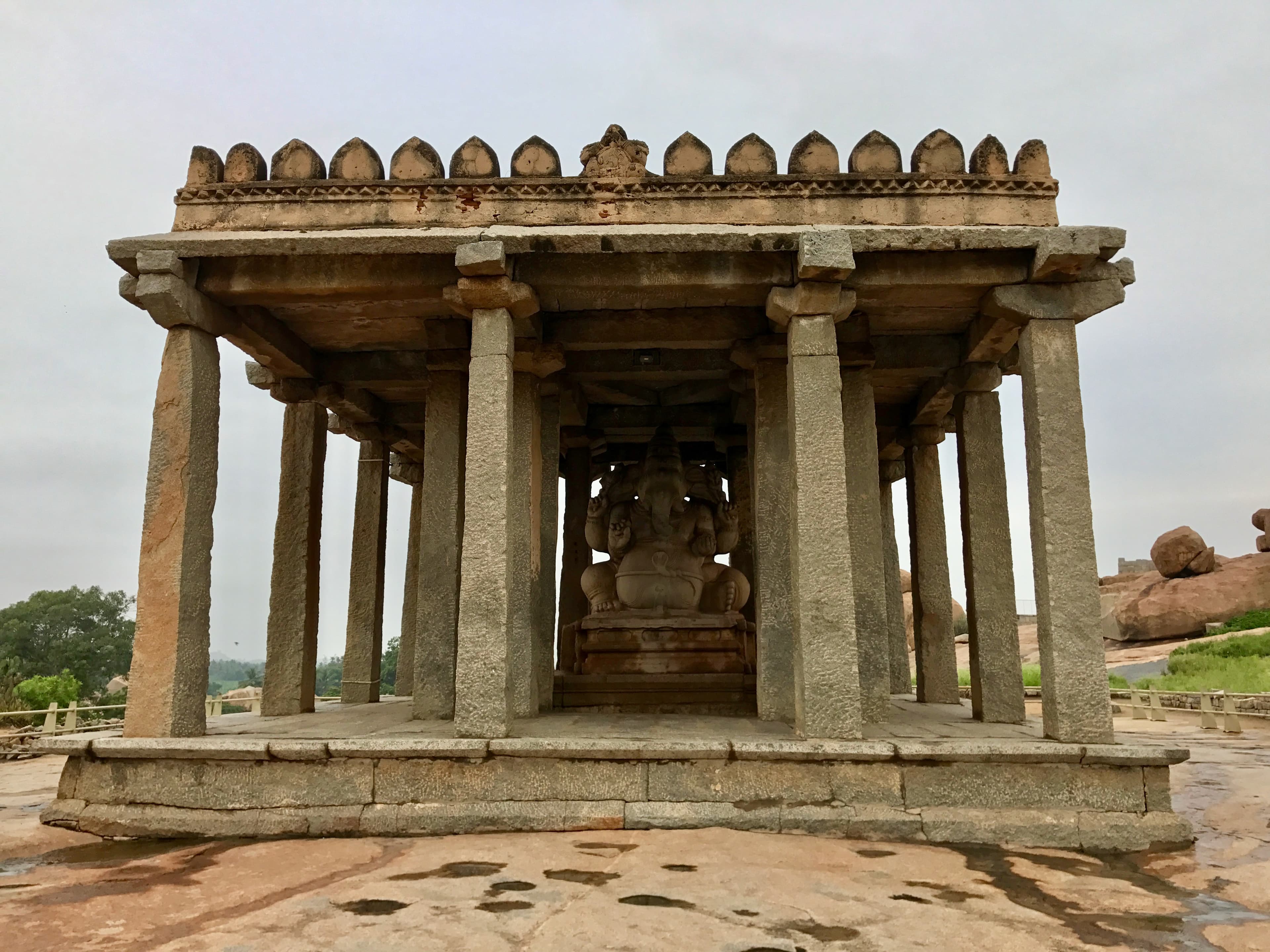
Sasivekalu Ganesha Temple is the shrine at Hampi centered on the monolithic Sasivekalu Ganesha image, and it is distinguished by the way image, open pavilion, and hill-edge setting still hold together as a distinct devotional node within Hampi's sacred landscape.
Visitor essentials
What stands out
Scope note
Keep in view
Keep Sasivekalu Ganesha Temple visible as the shrine at Hampi centered on the monolithic Sasivekalu Ganesha image rather than reducing it to only another giant Ganesha statue in the Hampi circuit.
At a glance
Before you visit
A monolithic ganesha shrine in the sacred and monumental landscape of Hampi where image, open pavilion, and hill-edge setting still hold together as a distinct devotional node within Hampi's sacred landscape
Why it matters
UNESCO frames Group of Monuments at Hampi as a vast Vijayanagara sacred landscape of temple complexes, monolithic shrines, bazaar streets, and ritual routes set among boulder hills and the Tungabhadra basin, and the supporting site sources keep Sasivekalu Ganesha Temple legible as a monolithic ganesha shrine within the sacred and monumental landscape of Hampi.
That matters because Sasivekalu Ganesha Temple is strongest as the shrine at Hampi centered on the monolithic Sasivekalu Ganesha image rather than only another giant Ganesha statue in the Hampi circuit.
Respect notes
Visiting notes
Story and context
History and sacred context
Sources
- Official websitePrimary visitor-facing site for current access and institutional context.
- UNESCO entryPrimary authority source for Hampi as a sacred and monumental Vijayanagara landscape whose key attributes include major temple complexes, monolithic shrines, and continuing ritual continuity at Virupaksha Temple.
- Wikipedia entryWikipedia article for Sasivekalu Ganesha Temple.
- Group of Monuments at Hampi (Property 241)Primary authority source for Hampi as a sacred and monumental Vijayanagara landscape whose key attributes include major temple complexes, monolithic shrines, and continuing ritual continuity at Virupaksha Temple.
- Sasvikal Ganesa Temple (Q97440724)Entity anchor for the Sasivekalu Ganesha Temple monument at Hampi.
- Category:Sasivekalu Ganesha TempleVisual context for the Sasivekalu Ganesha Temple and its monolithic Ganesha image at Hampi.
- Sasivekalu Ganesha TempleWikipedia article for Sasivekalu Ganesha Temple.
- Hampi (1986), KarnatakaOfficial ASI world heritage page for Hampi, including the monolithic Ganesha shrines within the protected monument landscape.
Nearby places
Nearby sacred places in South Asia
Kadalekalu Ganesha Temple
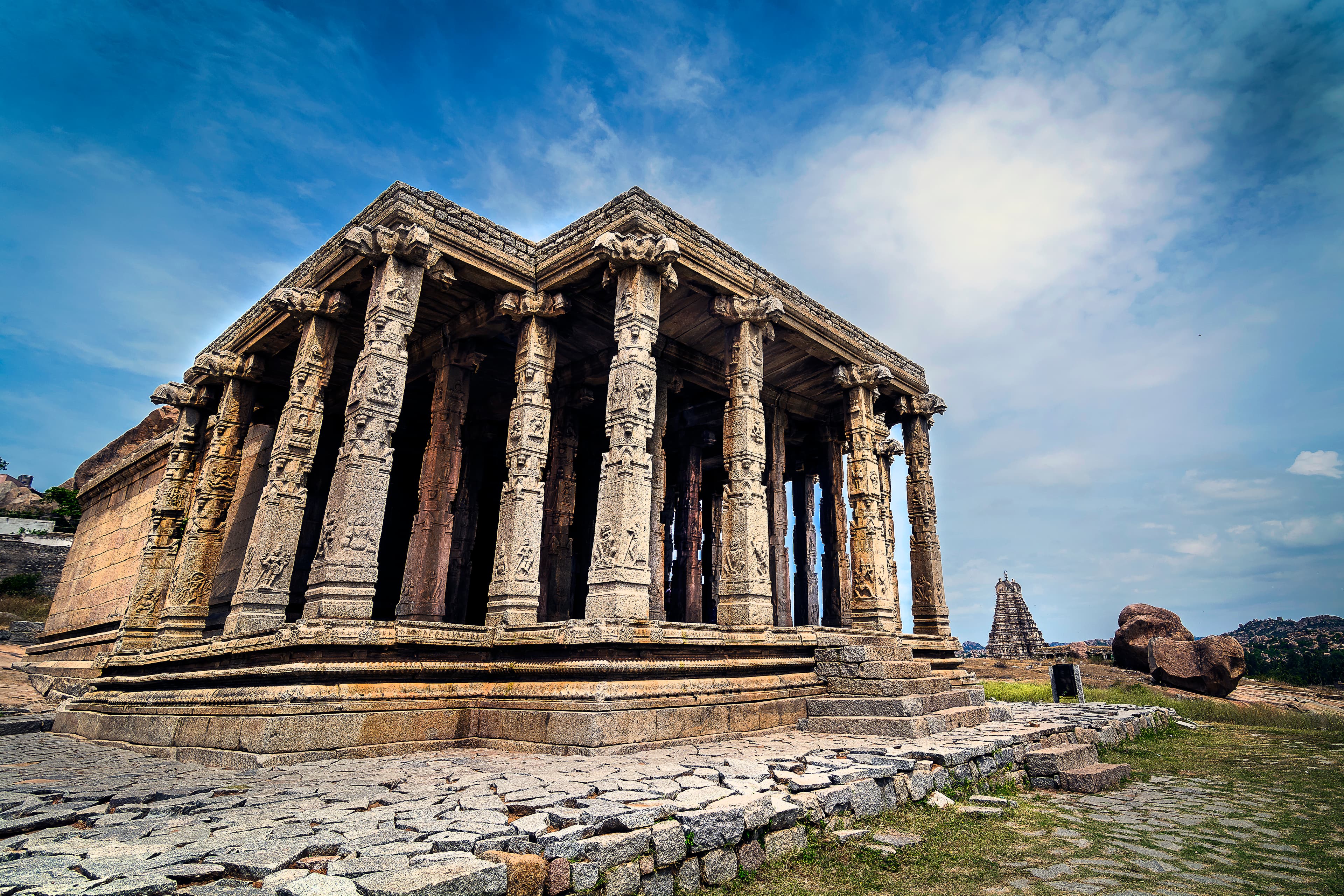
A monolithic ganesha shrine in the sacred and monumental landscape of Hampi where the giant monolithic image and sheltering mandapa preserve a focused Ganesha shrine rather than only a sculptural curiosity on Hemakuta Hill.
Ganesha Ratha
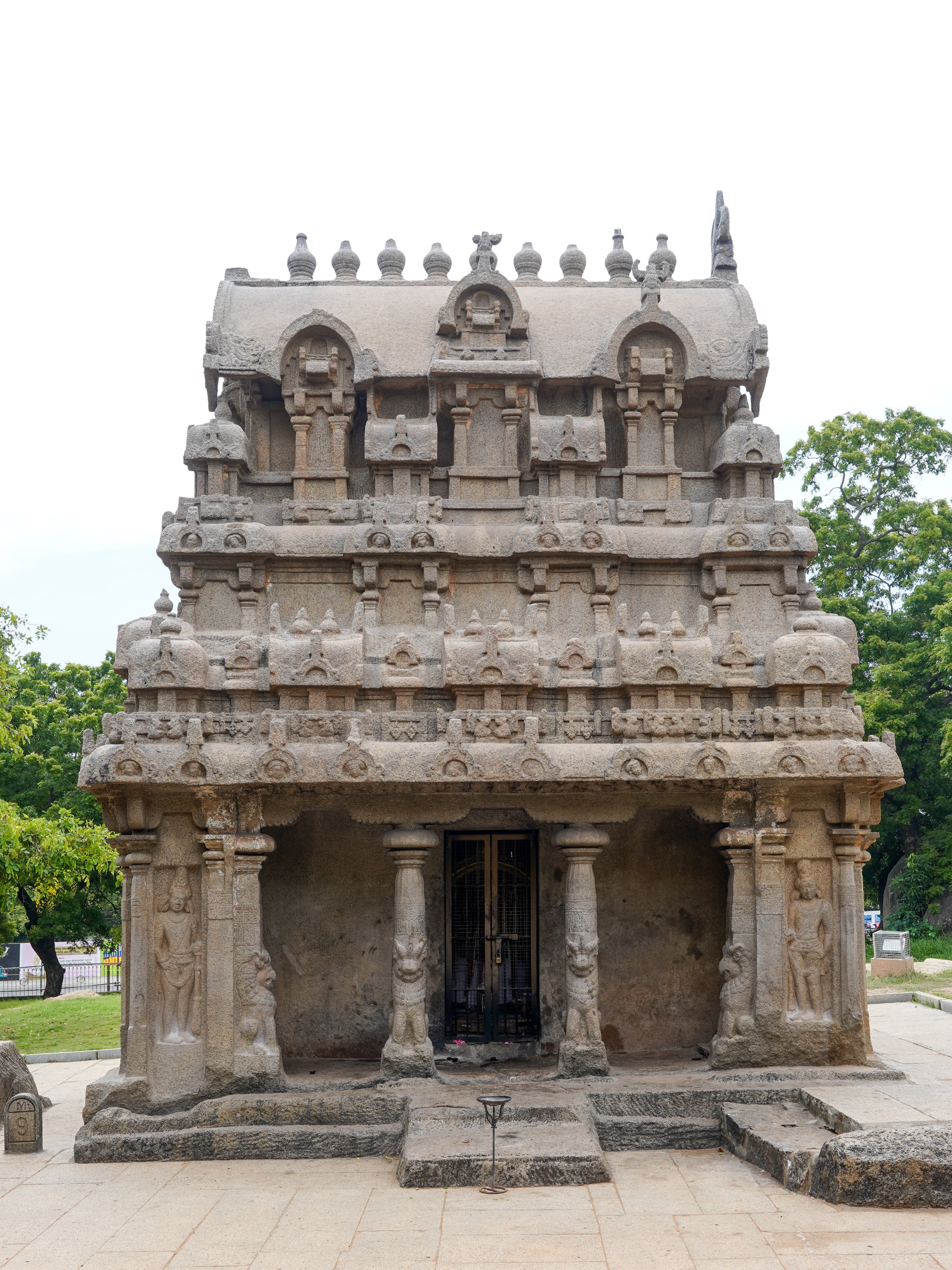
A monolithic temple in the Mahabalipuram sanctuary group where carved mass, shrine form, and later devotional association keep it within the sacred logic of the hill zone.

Malyavanta Raghunatha Temple
A hill temple complex in the sacred and monumental landscape of Hampi where hilltop setting, shrine sequence, and Ramayana association preserve a distinct sacred hill destination within Hampi's wider temple world.
Buddhist Monuments at Sanchi
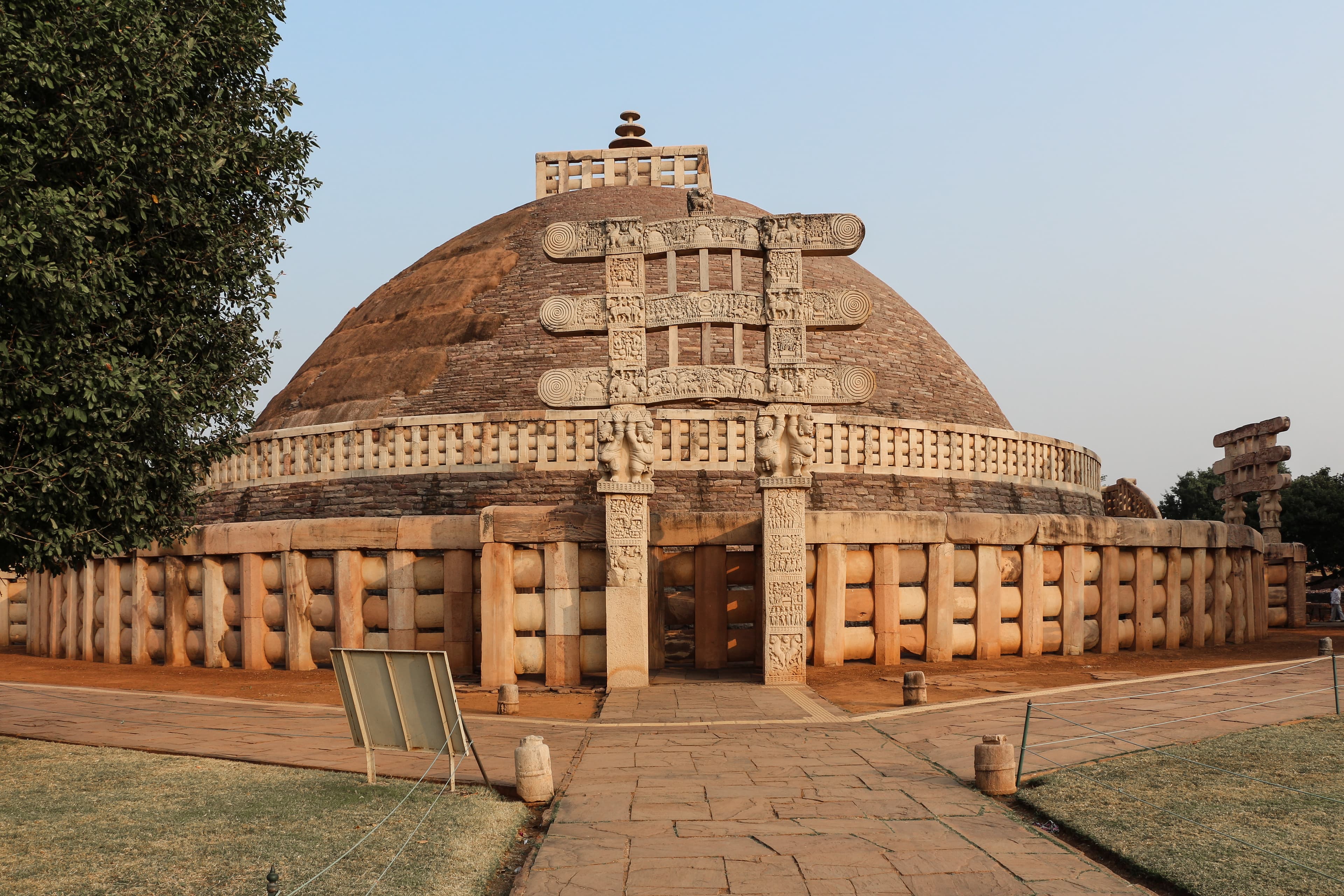
A hilltop Buddhist sanctuary in central India where stupas, gateways, temples, and monastic remains still read as one early sacred landscape rather than a single famous monument.
Same tradition elsewhere
Hinduism sacred sites beyond South Asia
Keep exploring