Living sacred site
Santo Cenáculo Church
Santo Cenáculo Church is the Santo Cenáculo church in Cuenca, and it is distinguished by the way its continuing sacred role and quieter place within the church-dense historic center still keep it legible as a living sacred church rather than only a minor urban facade.

Visitor essentials
What stands out
Scope note
Keep in view
Keep Santo Cenáculo Church visible as the Santo Cenáculo church in Cuenca rather than reducing it to only a small church tucked into the center.
At a glance
Before you visit
A church in the sacred historic center of Cuenca where its continuing sacred role and quieter place within the church-dense historic center still keep it legible as a living sacred church rather than only a minor urban facade
Why it matters
UNESCO frames Historic Centre of Santa Ana de los Ríos de Cuenca as a World Heritage old city in Ecuador where parks, squares, atriums, churches, and public space still keep Catholic sacred life visibly woven into the urban fabric, and the supporting site sources keep Santo Cenáculo Church legible as a church within the sacred historic center of Cuenca.
That matters because Santo Cenáculo Church is strongest as the Santo Cenáculo church in Cuenca rather than only a small church tucked into the center.
Respect notes
Visiting notes
Story and context
History and sacred context
Sources
- Official websitePrimary visitor-facing site for current access and institutional context.
- UNESCO entryPrimary authority source for Cuenca as a World Heritage historic center whose urban fabric includes parks, squares, atriums, churches, and other public spaces.
- Wikipedia entryWikipedia article for Santo Cenáculo Church.
- Historic Centre of Santa Ana de los Ríos de Cuenca (Property 863)Primary authority source for Cuenca as a World Heritage historic center whose urban fabric includes parks, squares, atriums, churches, and other public spaces.
- Santo Cenáculo Church (Q131343490)Entity anchor for Santo Cenáculo Church as a church in Cuenca, Azuay Province, Ecuador.
- Category:Iglesia del Cenáculo, Cuenca (Ecuador)Visual context for the exterior and street setting of Santo Cenáculo Church in Cuenca.
- Santo Cenáculo ChurchWikipedia article for Santo Cenáculo Church.
- CultureOfficial Cuenca municipal culture portal entry for Santo Cenaculo Church with current mass schedule, contact numbers, responsible priest, and heritage summary.
Nearby places
Nearby sacred places in Andes
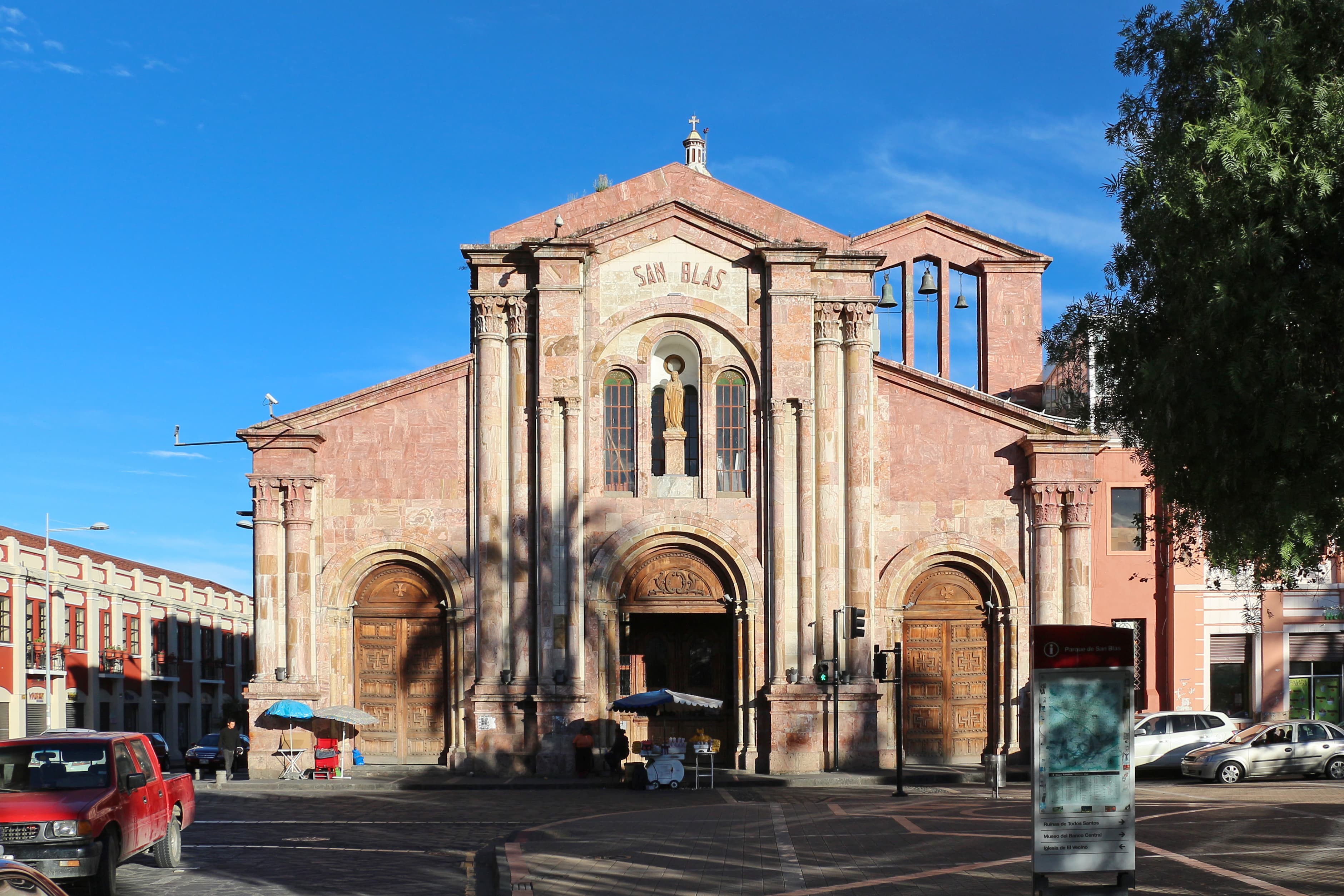
Church of San Blas, Cuenca
A church in the sacred historic center of Cuenca where its active parish role, long neighborhood presence, and place within the old urban fabric still keep it legible as a living sacred church rather than only a photogenic facade by a small square.
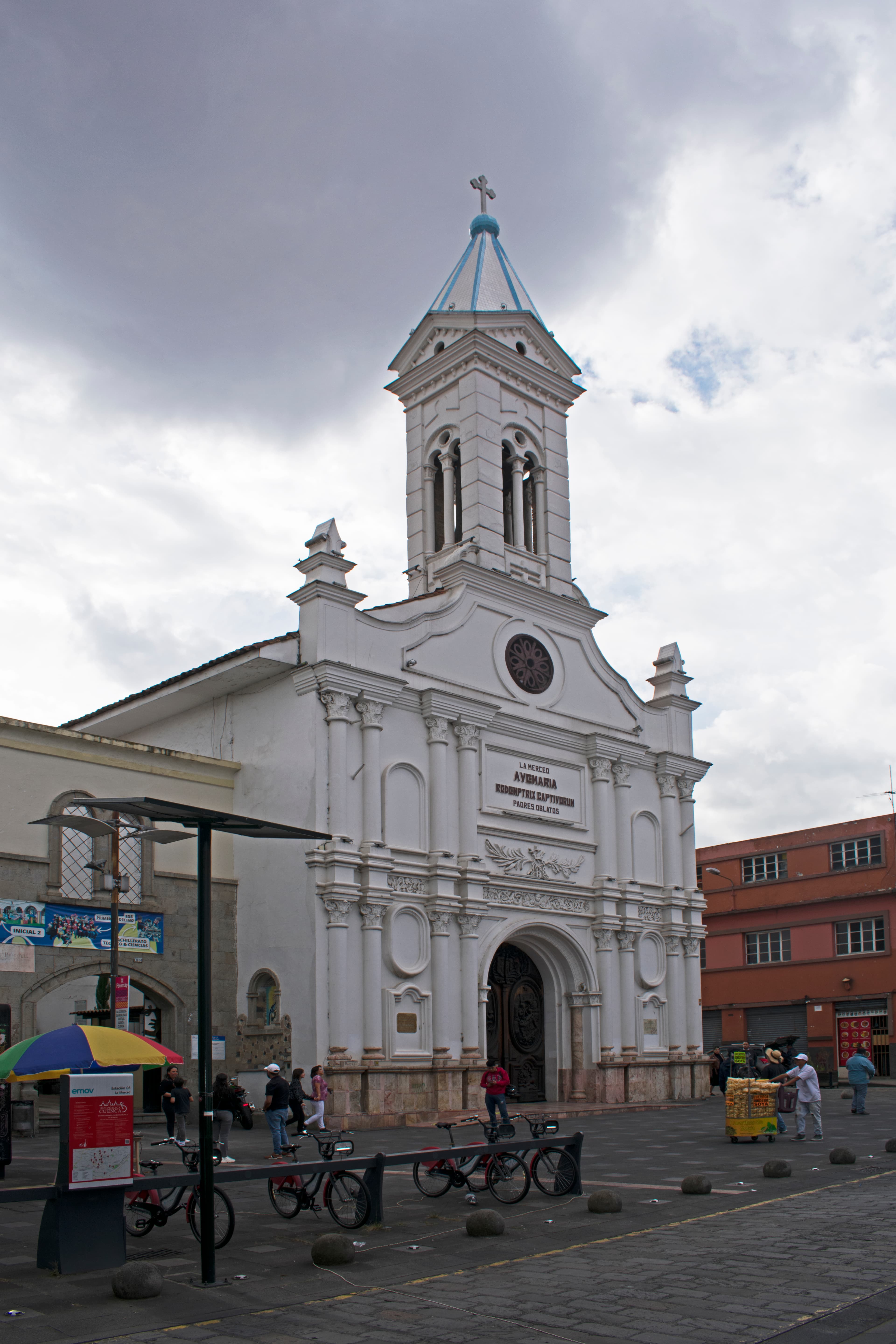
Iglesia Nuestra Señora de La Merced
A church in the sacred historic center of Cuenca where its continuing sacred role and strong urban presence still keep it legible as a living Marian church rather than only a vertical facade in the center of the city.
%2520(17227295962).jpg&w=3840&q=75)
Church of Aldachildo
A wooden church at Aldachildo where island Catholic continuity and the parish-scale sacred life of Chiloe still remain clearly present.
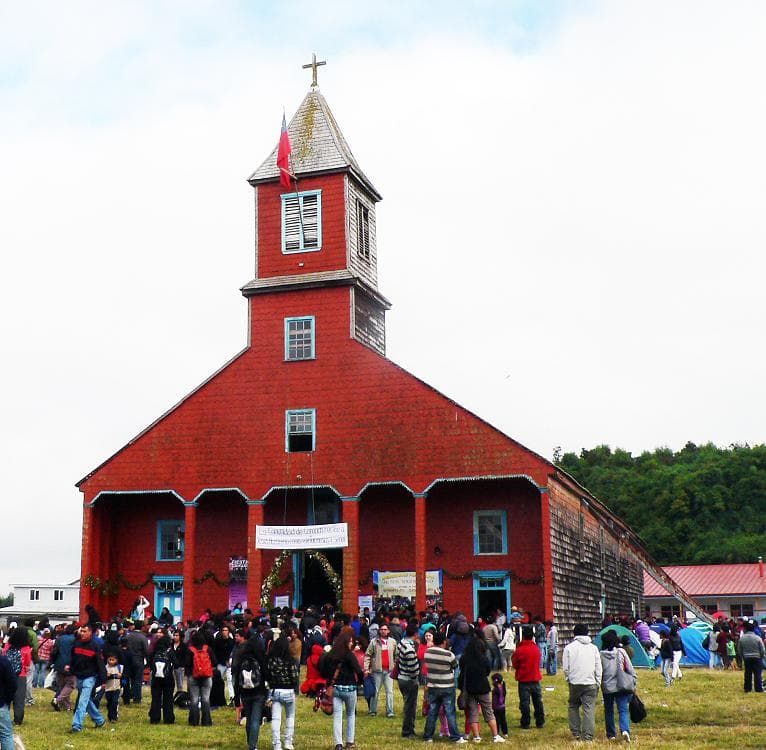
Church of Caguach
An island church in Caguach where wooden church tradition and local Catholic devotion still feel inseparable from the surrounding sea and community.
Same tradition elsewhere
Christianity sacred sites beyond Andes
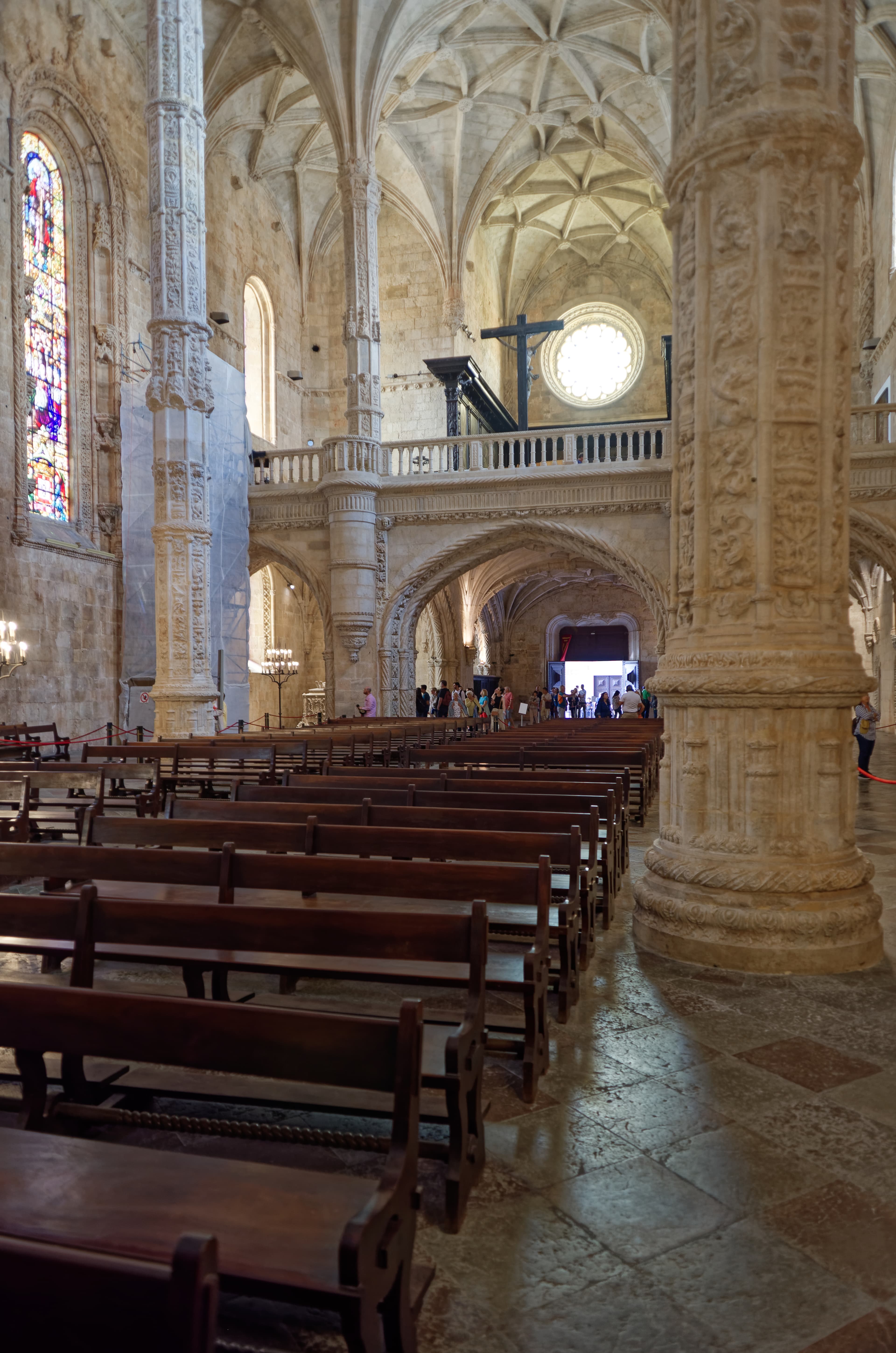
Church of Santa Maria de Belem, Jeronimos Monastery
A church in the Jeronimos monastic sacred ensemble where its liturgical use, vast nave, and place at the heart of the royal monastery still keep it legible as a living church rather than only the monumental facade of a national landmark.
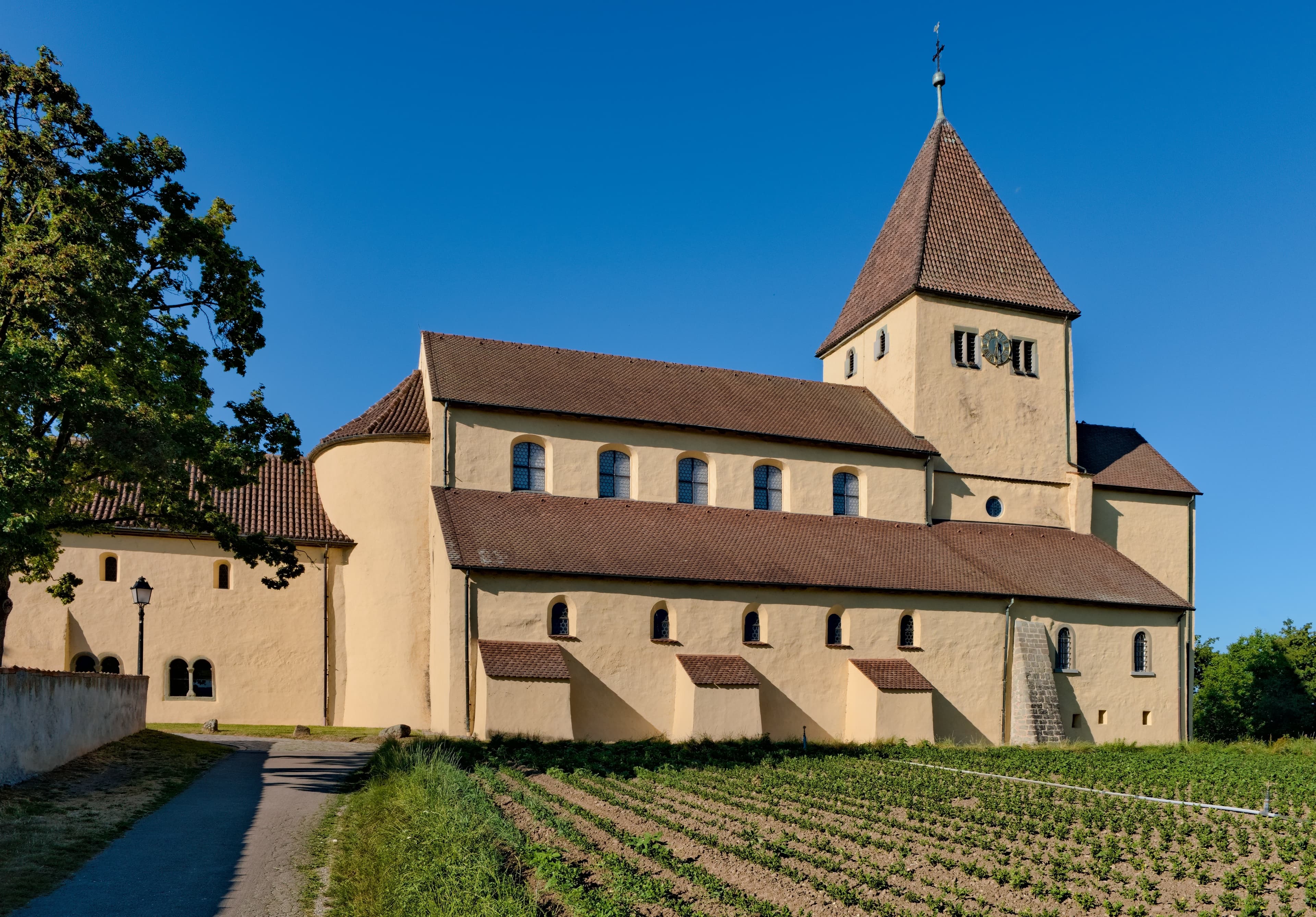
Church of St George, Reichenau
A village church whose nave paintings preserve one of the clearest early medieval sacred interiors north of the Alps.
Keep exploring