Living sacred site
Sai-mon, Kiyomizu-dera
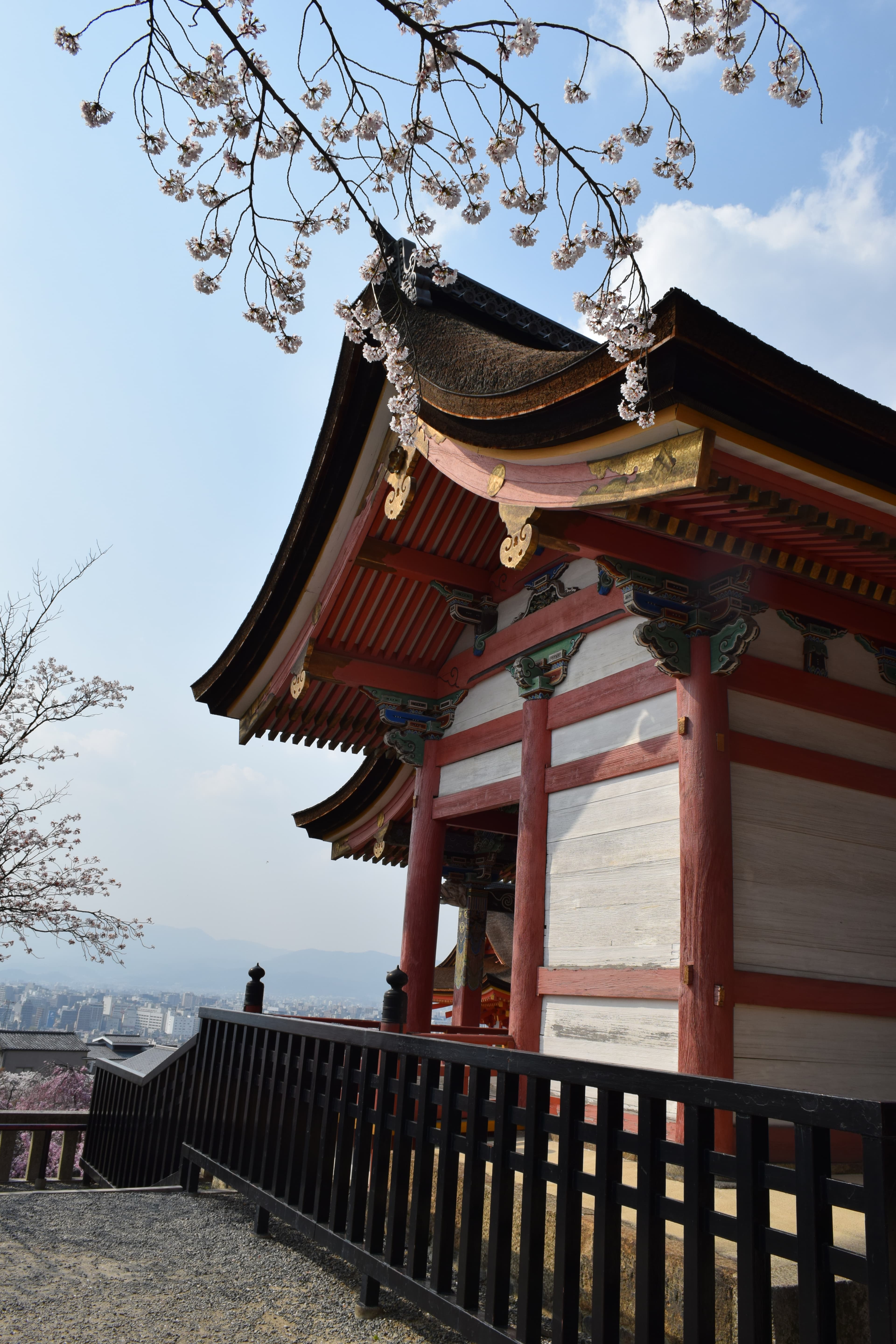
Sai-mon, Kiyomizu-dera matters because one of the temple's quieter gates still holds an active link between place, sunset, and Pure Land contemplation.
Visitor essentials
What stands out
Scope note
Keep in view
Keep the Sai-mon framed as a sacred place for Nissokan, not just as a scenic west-facing gate.
At a glance
Before you visit
Kiyomizu-dera's west gate, where sunset viewing still carries Pure Land meaning
Why it matters
UNESCO frames Historic Monuments of Ancient Kyoto (Kyoto, Uji and Otsu Cities) as a living Buddhist precinct where halls, gates, sacred water, and Pure Land-facing views remain part of Kiyomizu-dera's active Kannon world, and the supporting site sources keep Sai-mon, Kiyomizu-dera legible as a gate within the living Kiyomizu precinct within Ancient Kyoto.
That matters because Sai-mon, Kiyomizu-dera is strongest as the west gate where sunset contemplation still links Kiyomizu-dera to Pure Land meditation rather than only the west gate with a good sunset view.
Respect notes
Visiting notes
Story and context
History and sacred context
Sources
- Official websitePrimary visitor-facing site for current access and institutional context.
- UNESCO entryPrimary authority source for the Ancient Kyoto serial property and its religious monuments.
- Wikipedia entryWikipedia article for Kiyomizu-dera Temple.
- Historic Monuments of Ancient Kyoto (Kyoto, Uji and Otsu Cities) (Property 688)Primary authority source for the Ancient Kyoto serial property and its religious monuments.
- Historic Monuments of Ancient Kyoto - MapsComponent map source identifying Kiyomizu-dera within the Ancient Kyoto property.
- Kiyomizu-dera Temple (Q221716)Parent entity anchor for Kiyomizu-dera as a Buddhist temple, pilgrimage site, and Ancient Kyoto world-heritage component.
- Category:Kiyomizu-deraVisual context for Kiyomizu-dera, its halls, gates, and wider hillside precinct.
- Category:Saimon, Kiyomizu-deraVisual context for the Sai-mon as Kiyomizu-dera's west gate.
- NissokanOfficial Kiyomizu-dera page explaining Sai-mon as a sacred place for Nissokan, the meditation practice that visualizes the Pure Land through the setting sun.
- Kiyomizu-dera TempleWikipedia article for Kiyomizu-dera Temple.
Nearby places
Nearby sacred places in Japan
.jpg&w=3840&q=75)
Nio-mon, Kiyomizu-dera
A guardian gate that still turns arrival at Kiyomizu-dera into a sacred threshold.
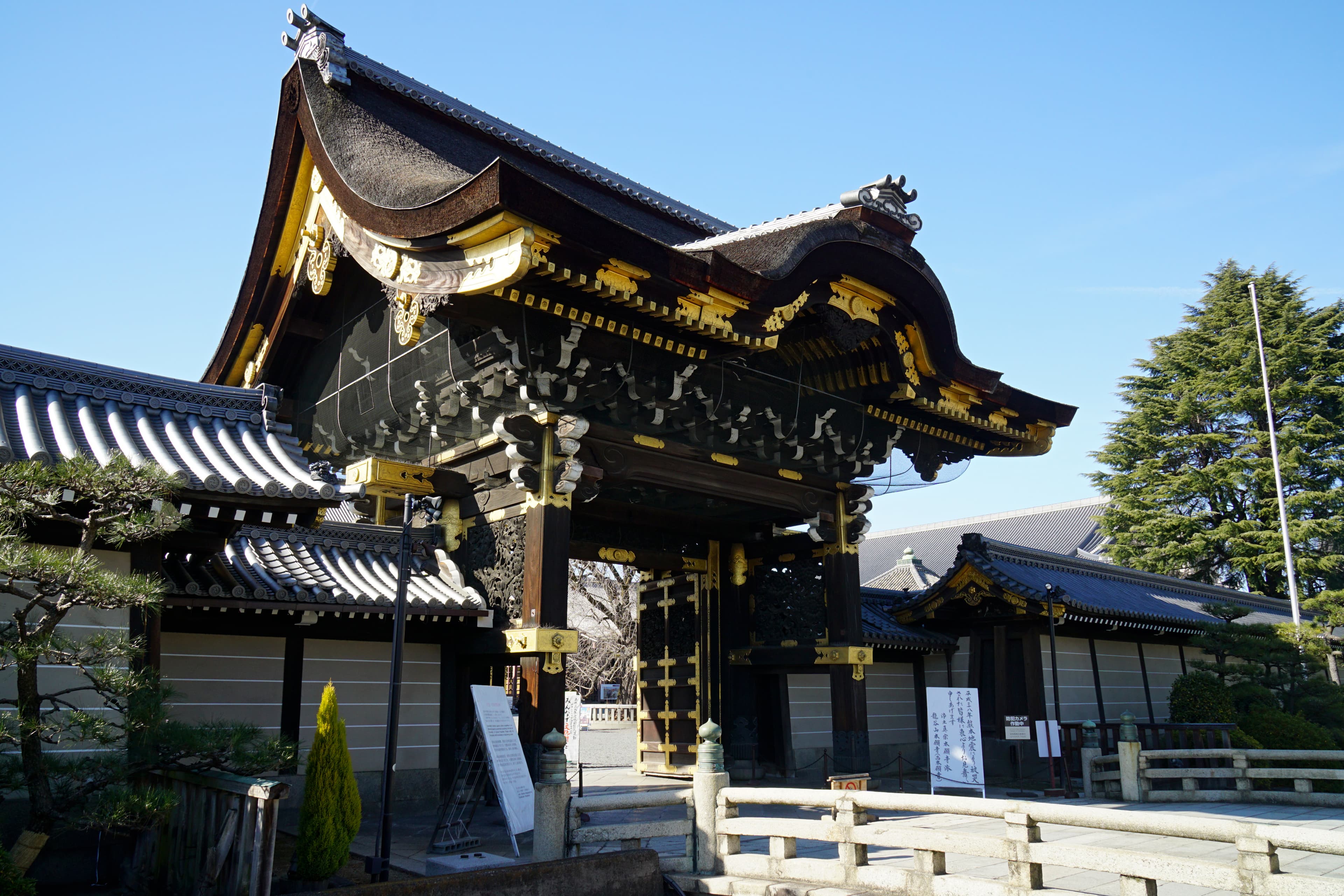
Amidadō-mon, Nishi Hongan-ji
The gate to Nishi Hongan-ji's Amida hall, where approach still carries visitors into the doctrinal center of the precinct.
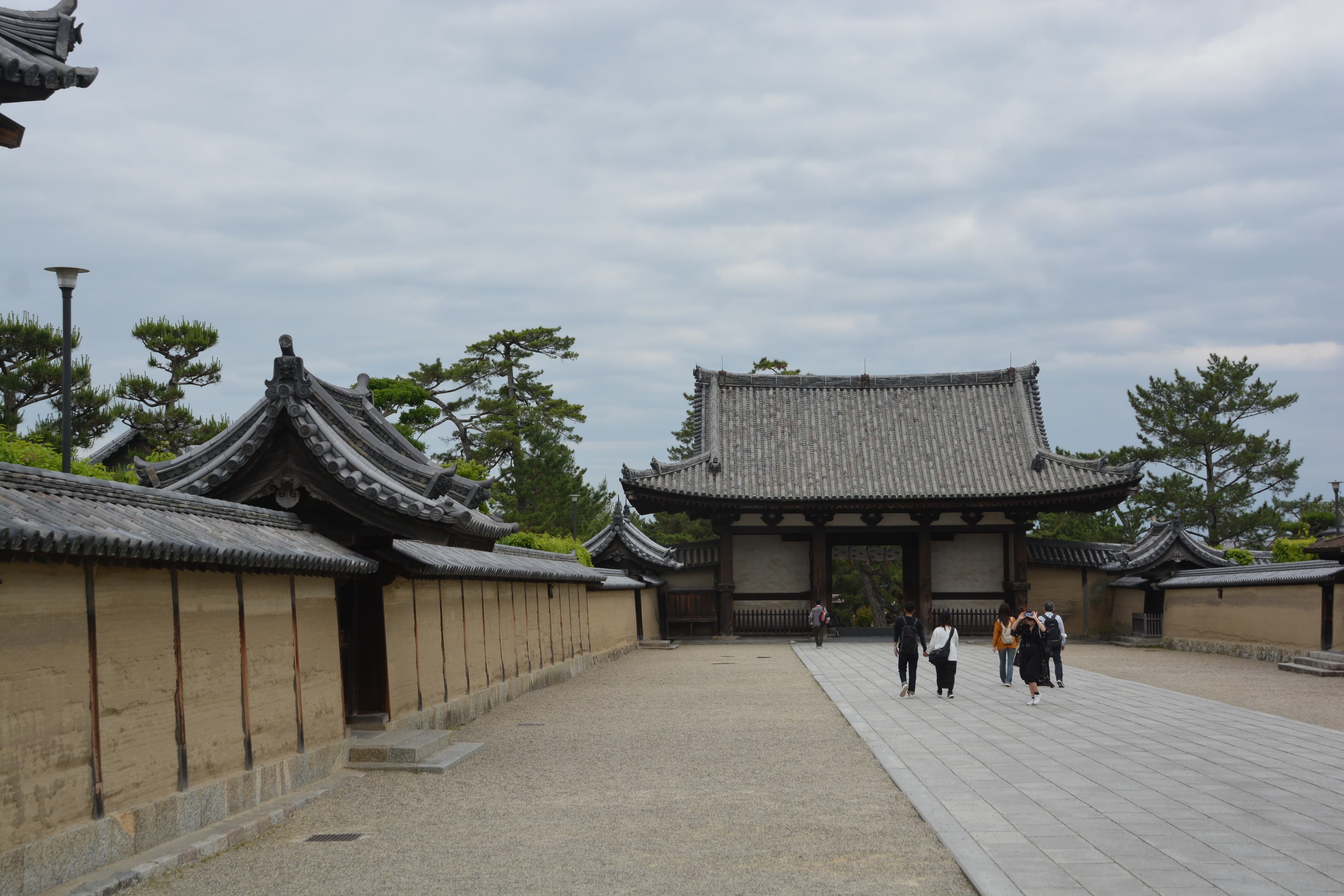
East Gate, Horyu-ji
A gate at Horyu-ji where passage between the Western and Eastern precincts becomes a sacred transition.
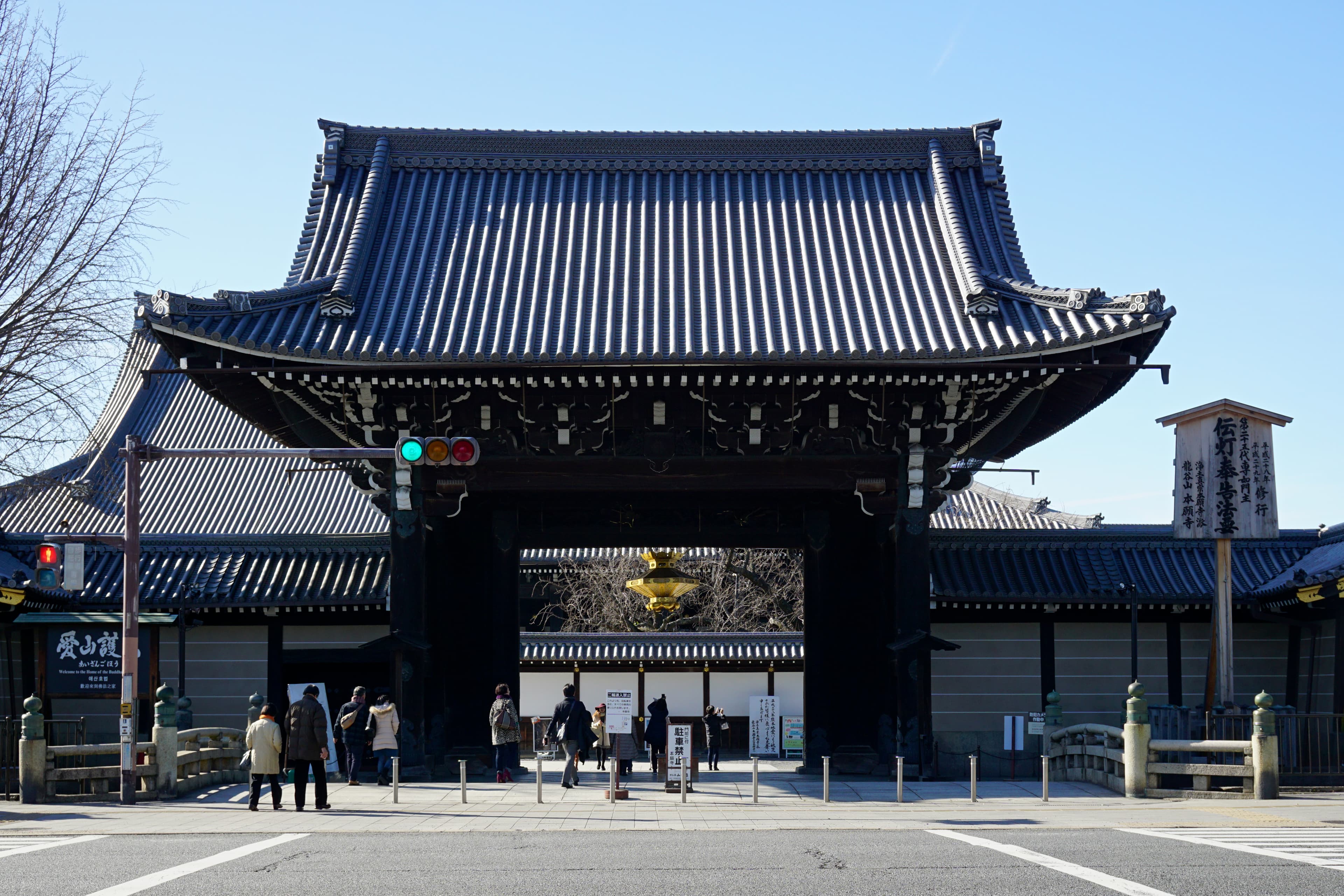
Goeidō-mon, Nishi Hongan-ji
The gate to Shinran's hall, where city approach still gives way to the living ritual center of Nishi Hongan-ji.
Regional journeys
Journeys in Japan
Nishi Hongan-ji Main Halls Circuit
A precinct route through the main halls and gates of Nishi Hongan-ji that reads the temple as a living Pure Land head temple rather than as a set of Kyoto treasures viewed in isolation.
Kiyomizu-dera Temple Precinct
A fuller Kiyomizu-dera route through hall, shrine, gate, pagoda, and waterfall that reads the mountain precinct as a layered sacred environment rather than as one famous stage alone.
Keep exploring