Historical sanctuary
Sacred Ensembles of the Hoysalas
Sacred Ensembles of the Hoysalas is strongest when Belur, Halebidu, and Somanathapura are read together as one Hindu temple world of platform, shrine, sculpture, and circumambulation.

Visitor essentials
What stands out
Scope note
Keep in view
Keep the property visible as one Hoysala temple world rather than reducing it to three separately famous sculptural monuments.
At a glance
Before you visit
Three great Hoysala temple complexes in Karnataka that still read as one sacred architectural world rather than three disconnected sculpture sites
Why it matters
UNESCO frames Sacred Ensembles of the Hoysalas as a Hindu temple ensemble whose three great Hoysala complexes still preserve one sacred architectural world of shrine, platform, sculpture, and circumambulation in Karnataka, and the supporting site sources keep Sacred Ensembles of the Hoysalas legible as a hindu temple ensemble within the Hoysala temple world of Belur, Halebidu, and Somanathapura.
That matters because Sacred Ensembles of the Hoysalas is strongest as the Hoysala temple world of Belur, Halebidu, and Somanathapura rather than only three separately famous sculptural monuments in Karnataka.
Respect notes
Visiting notes
Story and context
History and sacred context
Sources
- Official websitePrimary visitor-facing site for current access and institutional context.
- Wikipedia entryWikipedia article for Sacred Ensembles of the Hoysalas.
- Sacred Ensembles of the Hoysalas (Property 1670)Official UNESCO World Heritage property page for the Sacred Ensembles of the Hoysalas serial inscription.
- Category:Chennakesava Temple, BelurVisual context for the Belur temple precinct and sculptural surfaces.
- Category:Hoysaleswara TempleVisual context for the Hoysaleswara Temple at Halebidu.
- Category:Chennakesava Temple, SomanathapuraVisual context for the Keshava Temple at Somanathapura.
- Sacred Ensembles of the HoysalasWikipedia article for Sacred Ensembles of the Hoysalas.
Nearby places
Nearby sacred places in South Asia
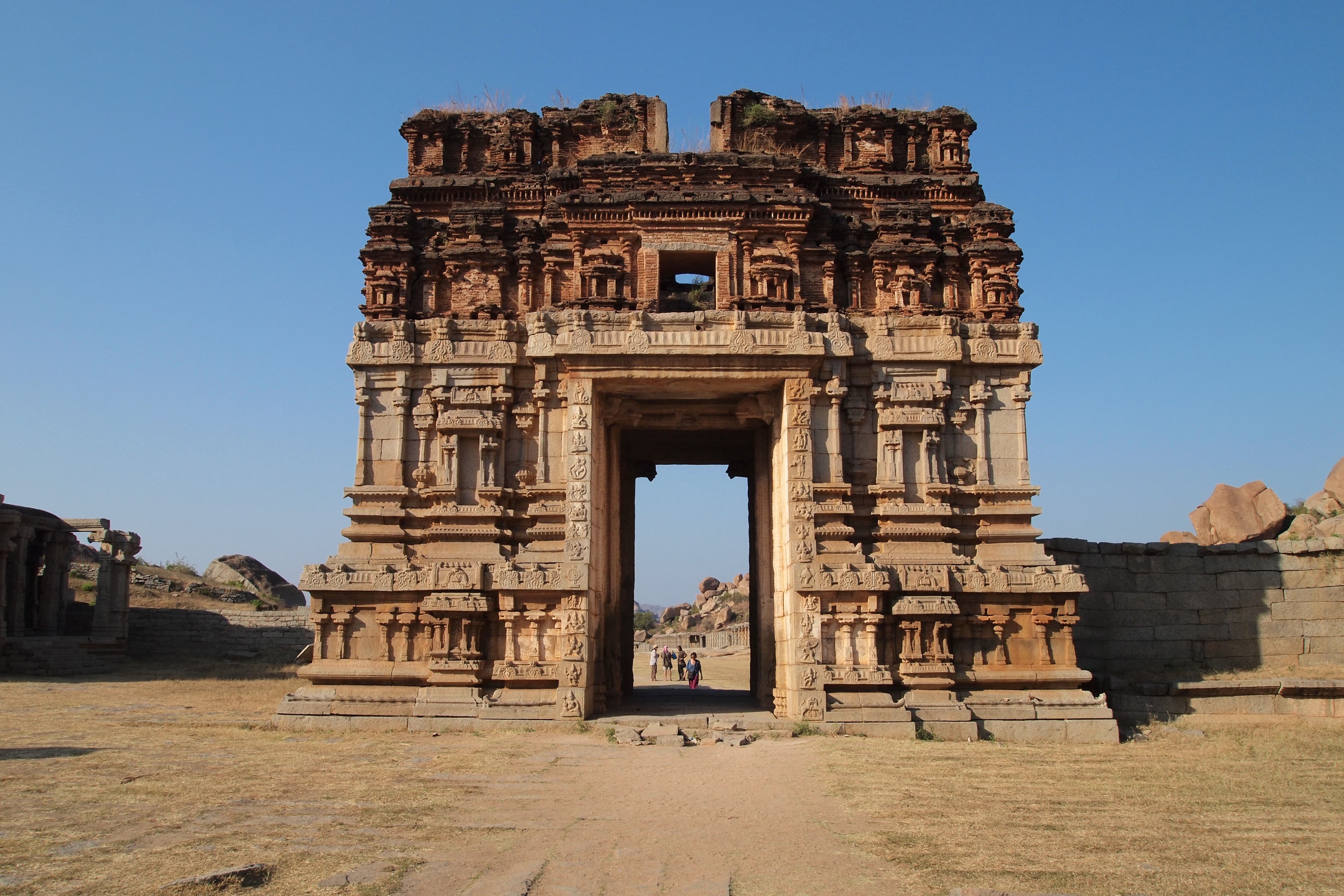
Achyutaraya Temple
A temple complex in the sacred and monumental landscape of Hampi where the bazaar street, gopuras, and long ceremonial approach still preserve the scale of Vijayanagara sacred planning.
%2520at%2520Ananthasayanagudi.JPG&w=3840&q=75)
Ananthasayana Temple
A temple complex in the sacred and monumental landscape of Hampi where gopuras, shrine core, and inscription-bearing fabric preserve a substantial sacred complex beyond Hampi's densest monument zone.
.jpg&w=3840&q=75)
Badavilinga
A monolithic linga shrine in the sacred and monumental landscape of Hampi where water, scale, and the single carved linga still condense a powerful Shaiva sacred presence into one small shrine chamber.
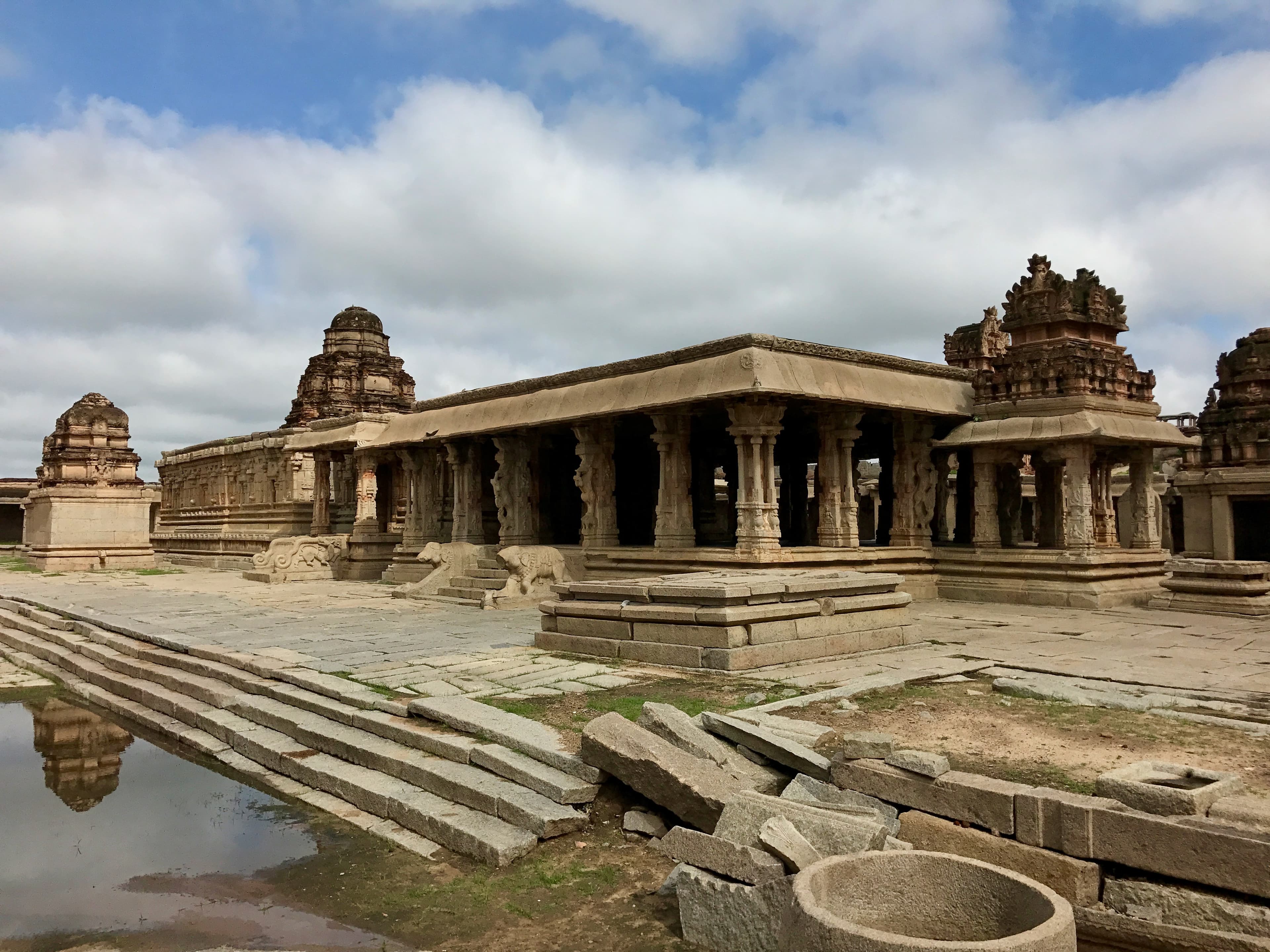
Bala Krishna Temple, Hampi
A temple complex in the sacred and monumental landscape of Hampi where shrine, market street, and enclosure still preserve a full Vaishnava sacred quarter rather than an isolated ruin.
Keep exploring