Historical sanctuary
Prasanna Virupaksha Temple
Prasanna Virupaksha Temple is the partially subterranean Shiva temple at Hampi often called the underground temple, and it is distinguished by the way water, sunken courts, and shrine architecture preserve a distinct Shaiva sacred environment unlike any other major monument in Hampi.

Visitor essentials
What stands out
Scope note
Keep in view
Keep Prasanna Virupaksha Temple visible as the partially subterranean Shiva temple at Hampi often called the underground temple rather than reducing it to only the underground Shiva temple photo stop.
At a glance
Before you visit
A temple complex in the sacred and monumental landscape of Hampi where water, sunken courts, and shrine architecture preserve a distinct Shaiva sacred environment unlike any other major monument in Hampi
Why it matters
UNESCO frames Group of Monuments at Hampi as a vast Vijayanagara sacred landscape of temple complexes, monolithic shrines, bazaar streets, and ritual routes set among boulder hills and the Tungabhadra basin, and the supporting site sources keep Prasanna Virupaksha Temple legible as a temple complex within the sacred and monumental landscape of Hampi.
That matters because Prasanna Virupaksha Temple is strongest as the partially subterranean Shiva temple at Hampi often called the underground temple rather than only the underground Shiva temple photo stop.
Respect notes
Visiting notes
Story and context
History and sacred context
Sources
- Official websitePrimary visitor-facing site for current access and institutional context.
- UNESCO entryPrimary authority source for Hampi as a sacred and monumental Vijayanagara landscape whose key attributes include major temple complexes, monolithic shrines, bazaar streets, and ritual routes.
- Wikipedia entryWikipedia article for Prasanna Virupaksha Temple.
- Group of Monuments at Hampi (Property 241)Primary authority source for Hampi as a sacred and monumental Vijayanagara landscape whose key attributes include major temple complexes, monolithic shrines, bazaar streets, and ritual routes.
- Category:Prasanna Virupaksha TempleVisual context for Prasanna Virupaksha Temple, including its sunken courts, shrine core, and water-linked setting.
- Royal CenterOfficial Karnataka tourism portal page for Hampi's Royal Center, including a direct profile of the underground temple identified as an early shrine dedicated to Virupaksha in the palace zone.
- Prasanna Virupaksha TempleWikipedia article for Prasanna Virupaksha Temple.
Nearby places
Nearby sacred places in South Asia
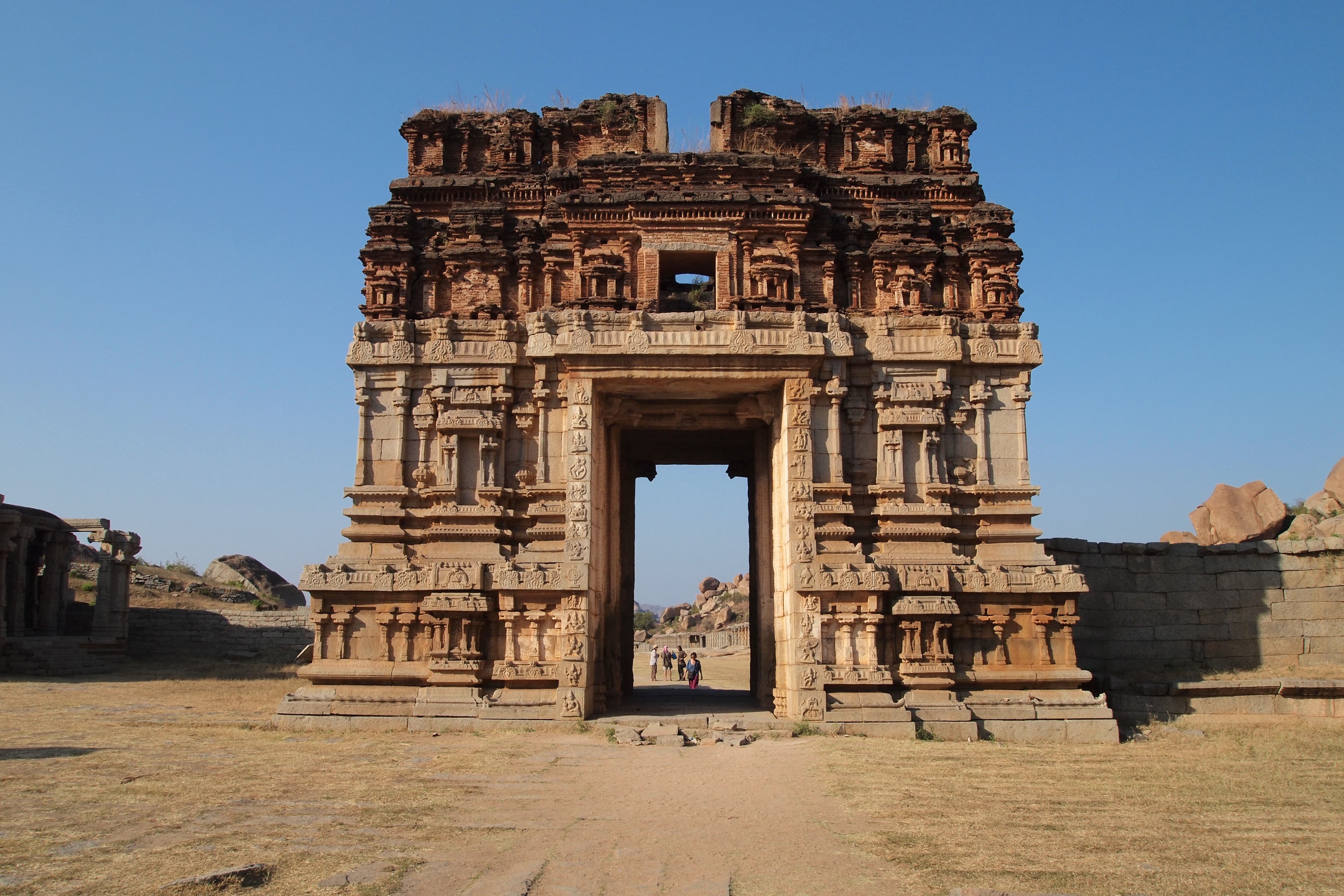
Achyutaraya Temple
A temple complex in the sacred and monumental landscape of Hampi where the bazaar street, gopuras, and long ceremonial approach still preserve the scale of Vijayanagara sacred planning.
%2520at%2520Ananthasayanagudi.JPG&w=3840&q=75)
Ananthasayana Temple
A temple complex in the sacred and monumental landscape of Hampi where gopuras, shrine core, and inscription-bearing fabric preserve a substantial sacred complex beyond Hampi's densest monument zone.
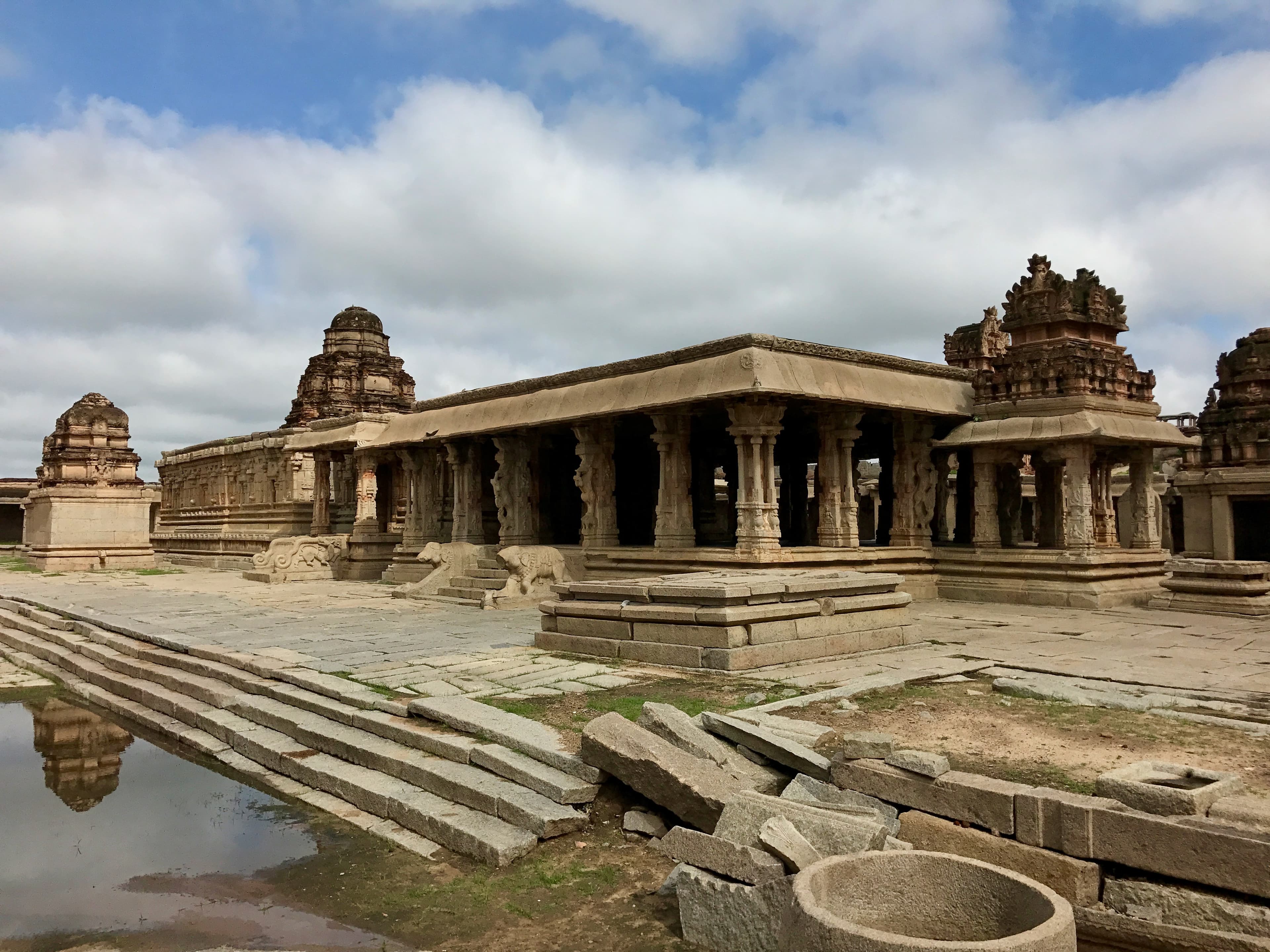
Bala Krishna Temple, Hampi
A temple complex in the sacred and monumental landscape of Hampi where shrine, market street, and enclosure still preserve a full Vaishnava sacred quarter rather than an isolated ruin.
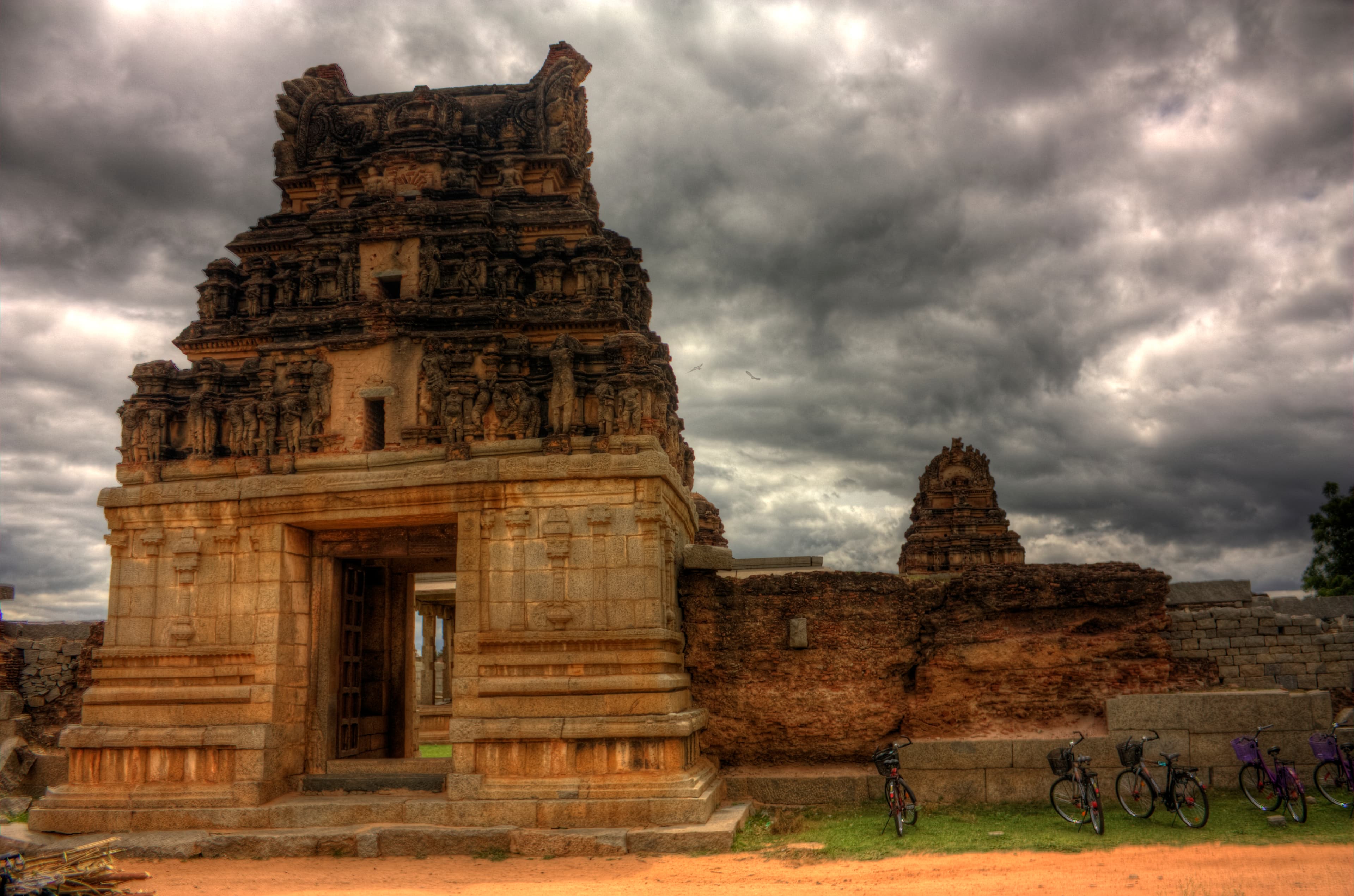
Chanderasekara Temple, Hampi
A temple complex in the sacred and monumental landscape of Hampi where shrine core, gopura, and walled enclosure preserve a coherent sacred precinct within Hampi's denser monument zone.
Same tradition elsewhere
Hinduism sacred sites beyond South Asia
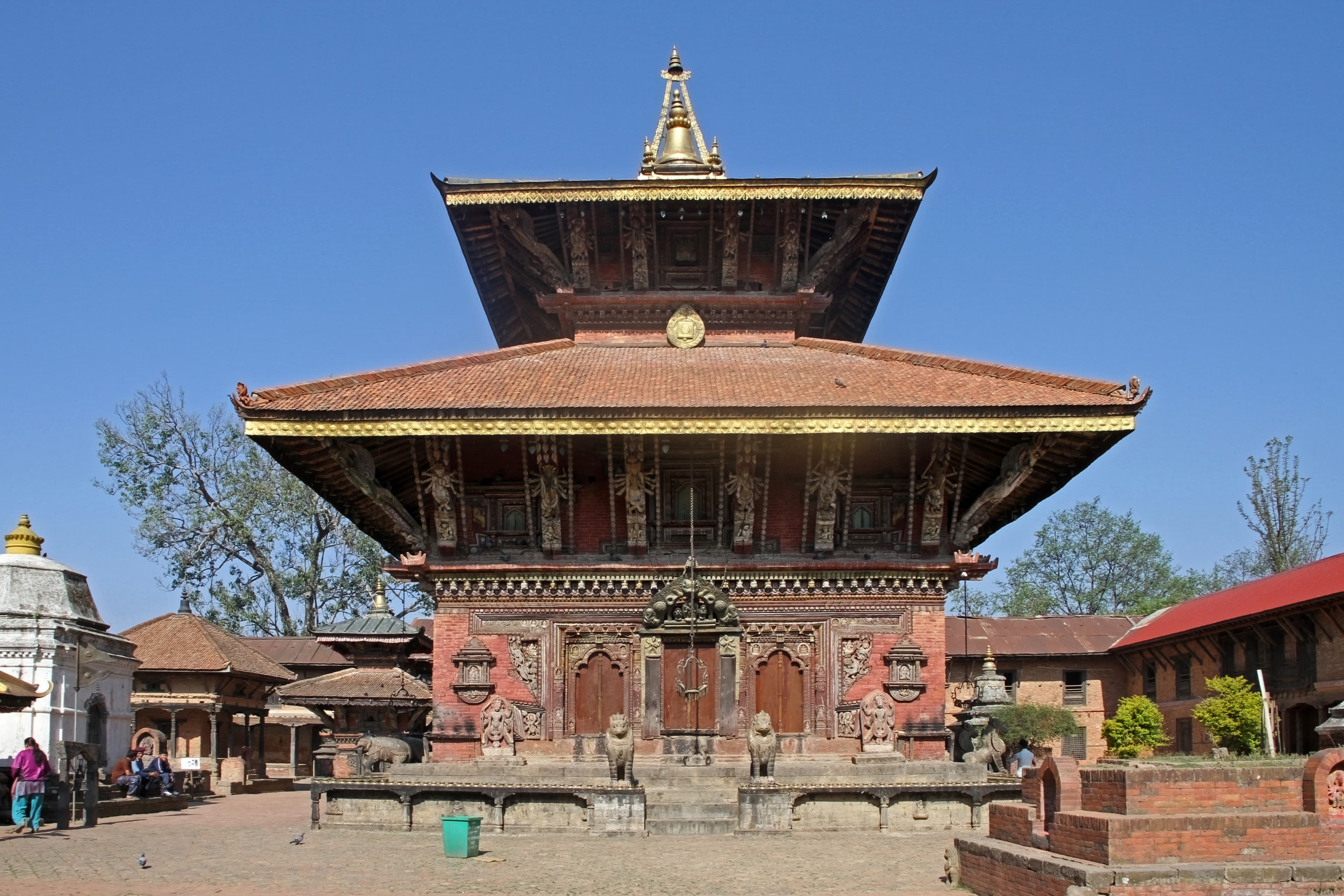
Regional journeys
Journeys in South Asia
Keep exploring