Living sacred site
Mudejar Architecture of Aragon
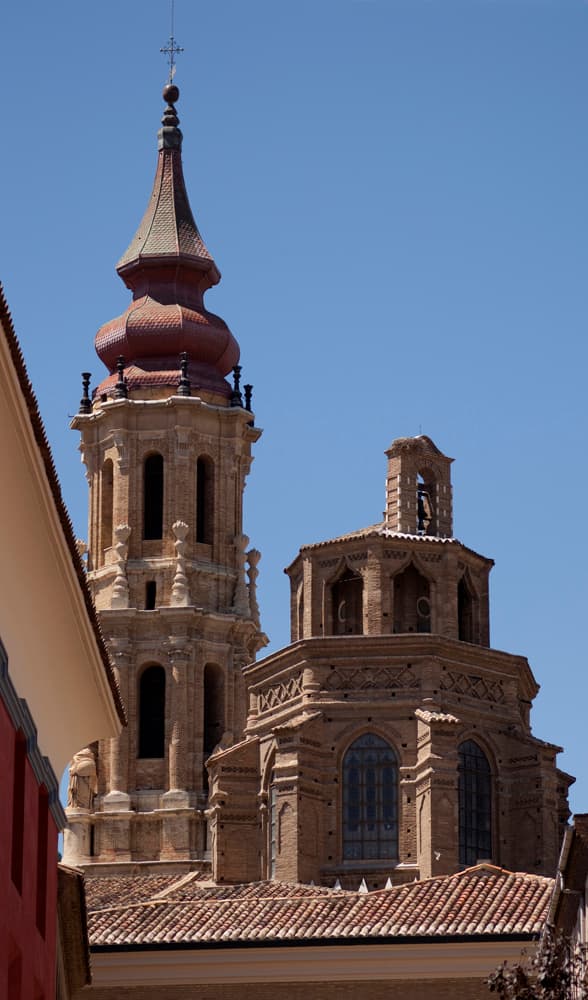
Mudejar Architecture of Aragon is the serial Christian sacred ensemble of Aragon's Mudejar churches and cathedrals, distinguished by the way living churches, cathedrals, towers, brickwork, and tile still keep the property legible as one devotional landscape rather than a style catalogue of isolated monuments.
Visitor essentials
What stands out
Scope note
Keep in view
Keep it visible as a serial sacred ensemble rather than only an art-historical label for decorated towers and facades.
At a glance
Before you visit
A serial Christian sacred ensemble where living churches, cathedrals, towers, brickwork, and tile still keep the property legible as one devotional landscape rather than a style catalogue of isolated monuments
Why it matters
UNESCO frames Mudejar Architecture of Aragon as a serial property whose monuments preserve an exceptional fusion of Christian sacred buildings with Islamic-influenced brick, tile, and tower craftsmanship.
That matters because the property is strongest as a network of living churches and cathedrals rather than only an art-historical label for decorated towers and facades.
Respect notes
Visiting notes
Story and context
History and sacred context
Sources
- Official websitePrimary visitor-facing site for current access and institutional context.
- UNESCO entryPrimary authority source for the serial Mudejar property in Aragon and its inscribed sacred churches and cathedrals.
- Wikipedia entryWikipedia article for Mudejar Architecture of Aragon.
- Mudejar Architecture of Aragon (Property 378)Primary authority source for the serial Mudejar property in Aragon and its inscribed sacred churches and cathedrals.
- Teruel Cathedral (Q513893)Entity anchor for Teruel Cathedral as part of the Mudejar Architecture of Aragon property.
- Cathedral of the Savior in his Epiphany of Zaragoza (Q2196869)Entity anchor for La Seo Cathedral in Zaragoza as part of the Mudejar Architecture of Aragon property.
- San Pedro Church (Q5911123)Entity anchor for the Church of San Pedro in Teruel as part of the serial Mudejar ensemble.
- Mudejar Architecture of AragonWikipedia article for Mudejar Architecture of Aragon.
- Arte Mudéjar aragonésOfficial Government of Aragon heritage monograph for Aragonese Mudejar art, explicitly describing the UNESCO World Heritage property and its inscribed churches, cathedrals, and towers.
Nearby places
Nearby sacred places in Western Europe
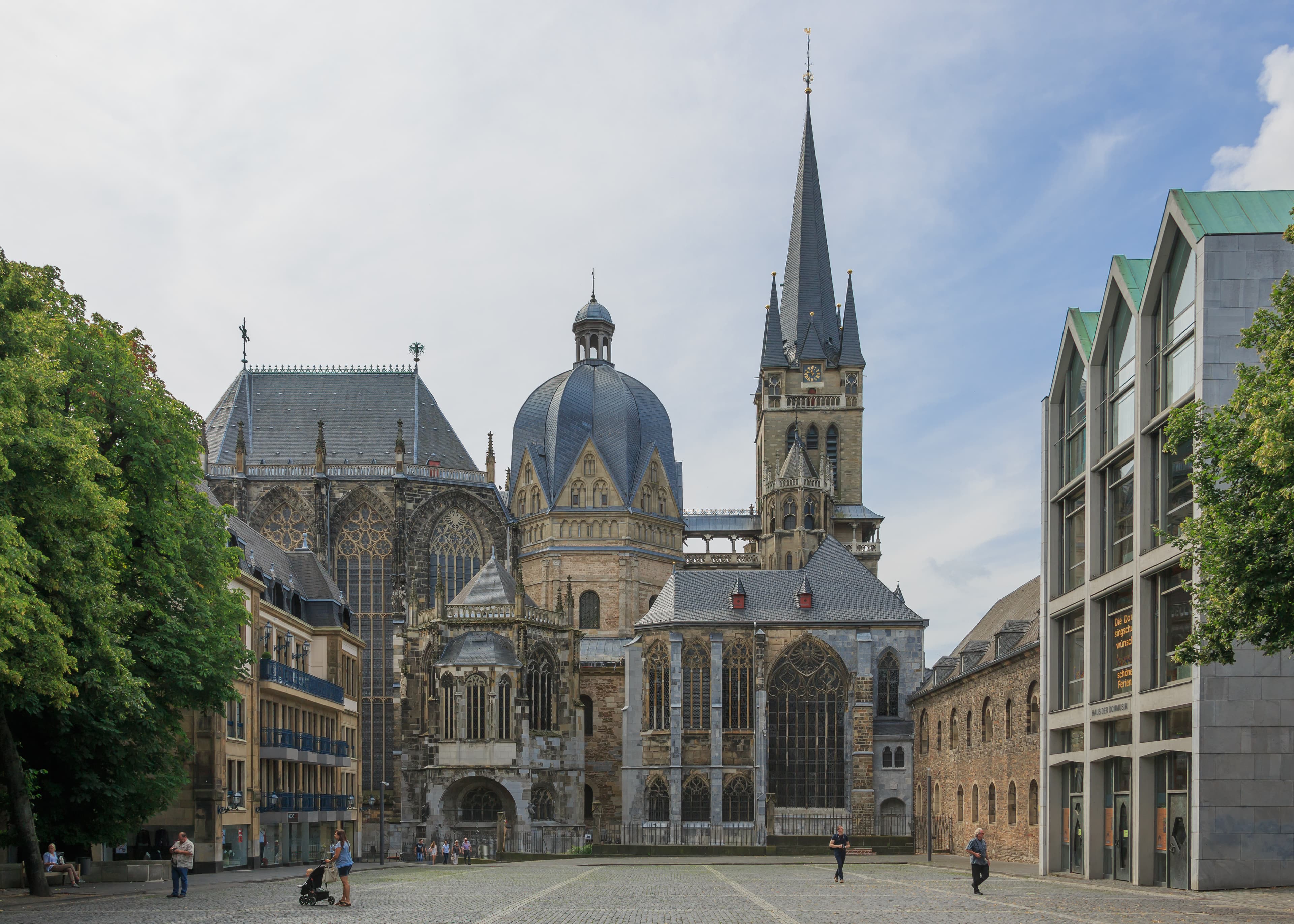
Aachen Cathedral
A cathedral rooted in Charlemagne's palace chapel, where imperial memory and continuous worship still meet in one sacred interior.
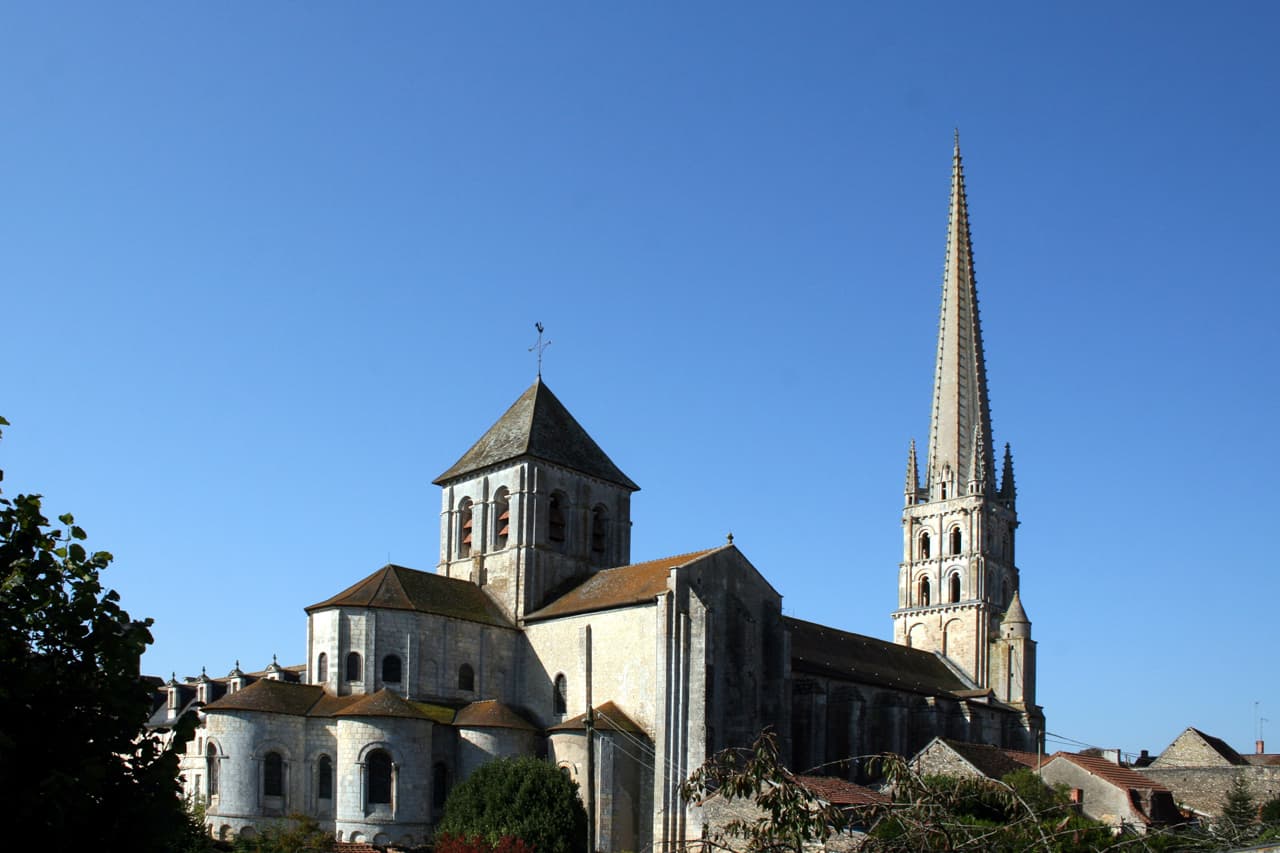
Abbey Church of Saint-Savin-sur-Gartempe
A Romanesque abbey church whose vast painted cycles still make monastic teaching, devotion, and sacred storytelling feel immediate.

Basilica of Our Lady of Guadalupe, Extremadura
A basilica in the Guadalupe Marian monastic sacred ensemble where its Gothic church form, Marian dedication, and still-active Mass, confession, and pilgrimage life keep it legible as the sacred heart of Guadalupe rather than only the grand front hall of the monastery.

Basilica of St. Mary of Poblet
A basilica in the Poblet monastic and royal sacred ensemble where its basilical plan, royal tombs, and continued monastic liturgical life still keep it legible as the sacred heart of Poblet rather than only the dominant building inside the walls.
Keep exploring