Living sacred site

Lumbini

Rupandehi District, Nepal · Buddhism · Pilgrimage birthplace

Lumbini is one of the holiest Buddhist pilgrimage places in the world, where the archaeological core, sacred garden, monastic zone, and devotional atmosphere all belong to the same experience.
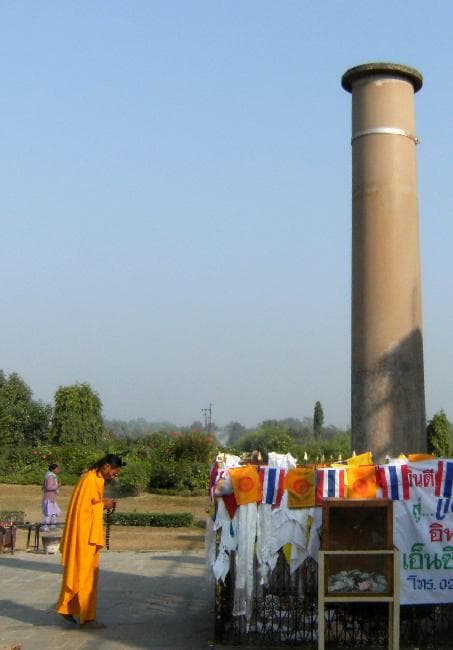
Ashoka pillar in the sacred precinct at Lumbini, Nepal.
Photo by ผู้สร้างสรรค์ผลงาน/ส่งข้อมูลเก็บในคลังข้อมูลเสรีวิกิมีเดียคอมมอนส์ - เทวประภาส มากคล้ายSourceCC BY 3.0
GeographyAsia · Nepal
TraditionBuddhism
EvidenceLiving sacred site
SeasonCooler, drier months
AccessPilgrimage and heritage access

Visitor essentials

LocationRupandehi District, Nepal
Best seasonCooler, drier months
AccessPilgrimage and heritage access
OrientationA foundational Buddhist pilgrimage site centered on birth, memory, archaeology, and continuing devotion.
Official informationCurrent visitor information
Route valueBest used inside Nepal rather than as a disconnected stop.

What stands out

Wikidata and Commons help keep Lumbini legible as a pilgrimage landscape, while the Lumbini Development Trust keeps the Sacred Garden, Maya Devi complex, Asoka Pillar, and master-plan stewardship tied to one official institutional profile.

Scope note

Keep in view

Treat Lumbini as a pilgrimage landscape, not just a heritage park with a famous marker.

At a glance

Before you visit

A foundational Buddhist pilgrimage site centered on birth, memory, archaeology, and continuing devotion

What it isLumbini is one of the holiest Buddhist pilgrimage places in the world, where the archaeological core, sacred garden, monastic zone, and devotional atmosphere all belong to the same experience.
Why it mattersUNESCO identifies Lumbini as the birthplace of the Buddha and one of the holiest places in Buddhism, with archaeological remains that preserve the long history of Buddhist pilgrimage at the site.
Living contextUNESCO's framing is especially helpful because it connects the birth tradition, the Ashoka pillar inscription, and the archaeology of Buddhist pilgrimage into one coherent sacred place.
Visiting todayGive the site time: the Maya Devi precinct, Ashoka pillar, sacred pond, and wider monastic zone work best at a slower pace.
Best time to goBest season is Cooler, drier months.
How it fits a routeTreat Nepal as the main cluster and combine this stop with Ashoka pillar, Lumbini instead of isolating it from the wider sacred geography.

Why it matters

UNESCO identifies Lumbini as the birthplace of the Buddha and one of the holiest places in Buddhism, with archaeological remains that preserve the long history of Buddhist pilgrimage at the site.

That sacred status should shape the whole page: this is not only an archaeological zone, but an active pilgrimage landscape where birth memory, monastic presence, and devotional quiet still matter.

Respect notes

Lead with pilgrimage and reverence rather than treating the birthplace marker as only an item on a monument checklist.
Keep the Maya Devi Temple, Ashoka pillar, and surrounding sacred zone together in the page structure instead of splitting the site into isolated highlights.

Visiting notes

The wider sacred area deserves time beyond the central birthplace marker because the landscape of pilgrimage is part of the meaning.
A slower, quieter visit usually reveals more than a fast circuit through the monument zone and monastery grounds.

Story and context

History and sacred context

UNESCO's framing is especially helpful because it connects the birth tradition, the Ashoka pillar inscription, and the archaeology of Buddhist pilgrimage into one coherent sacred place.

Sources

  • Official websiteOfficial sitePrimary visitor-facing site for current access and institutional context.
  • UNESCO entryUNESCO World Heritage CentrePrimary authority source for Lumbini's sacred significance and archaeological core.
  • Wikipedia entryWikipediaWikipedia article for Lumbini.
  1. Lumbini (Q9213)Wikidata · Entity referenceEntity anchor for Lumbini as a Buddhist pilgrimage site and world-heritage property.Accessed 2026-04-21
  2. Lumbini, the Birthplace of the Lord Buddha (Property 666)UNESCO World Heritage Centre · Heritage authorityPrimary authority source for Lumbini's sacred significance and archaeological core.Accessed 2026-04-21
  3. Category:LumbiniWikimedia Commons · Media sourceVisual context for the sacred garden, monastic zone, and pilgrimage atmosphere.Accessed 2026-04-21
  4. Lumbini Development TrustLumbini Development Trust · Official siteOfficial Lumbini Development Trust overview of Lumbini covering the Sacred Garden, Mayadevi complex, Asoka Pillar, archaeological work, and current institutional stewardship.Accessed 2026-04-25
  5. LumbiniWikipedia · Entity referenceWikipedia article for Lumbini.Accessed 2026-04-25

Nearby places

Nearby sacred places in Nepal
Same tradition elsewhere

Buddhism sacred sites beyond Nepal
Keep exploring

Explore more