Historical sanctuary
Galaganatha Temple, Pattadakal
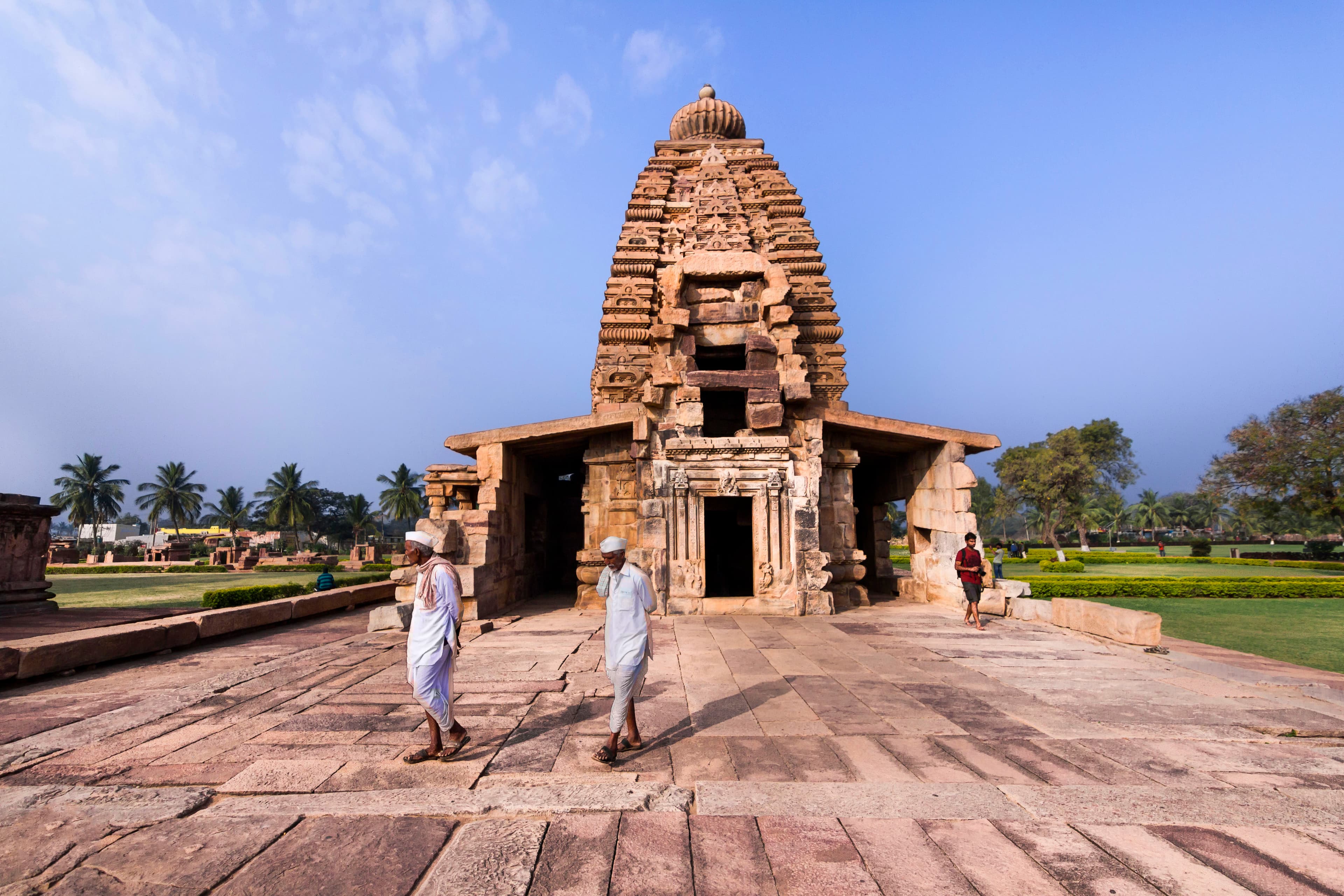
Galaganatha Temple, Pattadakal is the late temple at Pattadakal whose tower most clearly develops the northern rekha-nagara line within the ensemble, and it is distinguished by the way a still-commanding superstructure preserves a strong Hindu sacred silhouette even after the loss of parts of the hall.
Visitor essentials
What stands out
Scope note
Keep in view
Keep Galaganatha Temple, Pattadakal visible as the late temple at Pattadakal whose tower most clearly develops the northern rekha-nagara line within the ensemble rather than reducing it to only a photogenic ruined tower at the edge of the complex.
At a glance
Before you visit
A temple in the Pattadakal sacred ensemble where a still-commanding superstructure preserves a strong Hindu sacred silhouette even after the loss of parts of the hall
Why it matters
UNESCO frames Group of Monuments at Pattadakal as a South Asian sacred temple ensemble where early medieval builders fused northern and southern Indian architectural forms across a concentrated cluster of Hindu and Jain monuments, and the supporting site sources keep Galaganatha Temple, Pattadakal legible as a temple within the Pattadakal sacred ensemble.
Respect notes
Visiting notes
Story and context
History and sacred context
Sources
- Official websitePrimary visitor-facing site for current access and institutional context.
- UNESCO entryPrimary authority source for Pattadakal as a concentrated World Heritage temple ensemble of nine Hindu temples and one Jain sanctuary.
- Wikipedia entryWikipedia article for Galaganatha Temple, Pattadakal.
- Group of Monuments at Pattadakal (Property 239)Primary authority source for Pattadakal as a concentrated World Heritage temple ensemble of nine Hindu temples and one Jain sanctuary.
- Pattadakal - Archaeological Survey of IndiaOfficial heritage overview describing Pattadakal as a Chalukyan sacred and coronation center and naming the principal temple components of the ensemble.
- Group of Monuments at Pattadakal - World Heritage Property DataUNESCO property data document identifying the temple-area, Papanatha Temple, and Jaina Temple components of the Pattadakal property.
- Galaganatha Temple, Pattadakal (Q97440563)Entity anchor for the Galaganatha Temple at Pattadakal.
- Category:Galaganatha Temple, PattadakalVisual context for the Galaganatha Temple and its preserved northern-style superstructure.
- Galaganatha Temple, PattadakalWikipedia article for Galaganatha Temple, Pattadakal.
Nearby places
Nearby sacred places in South Asia
Chaturbhuj Temple
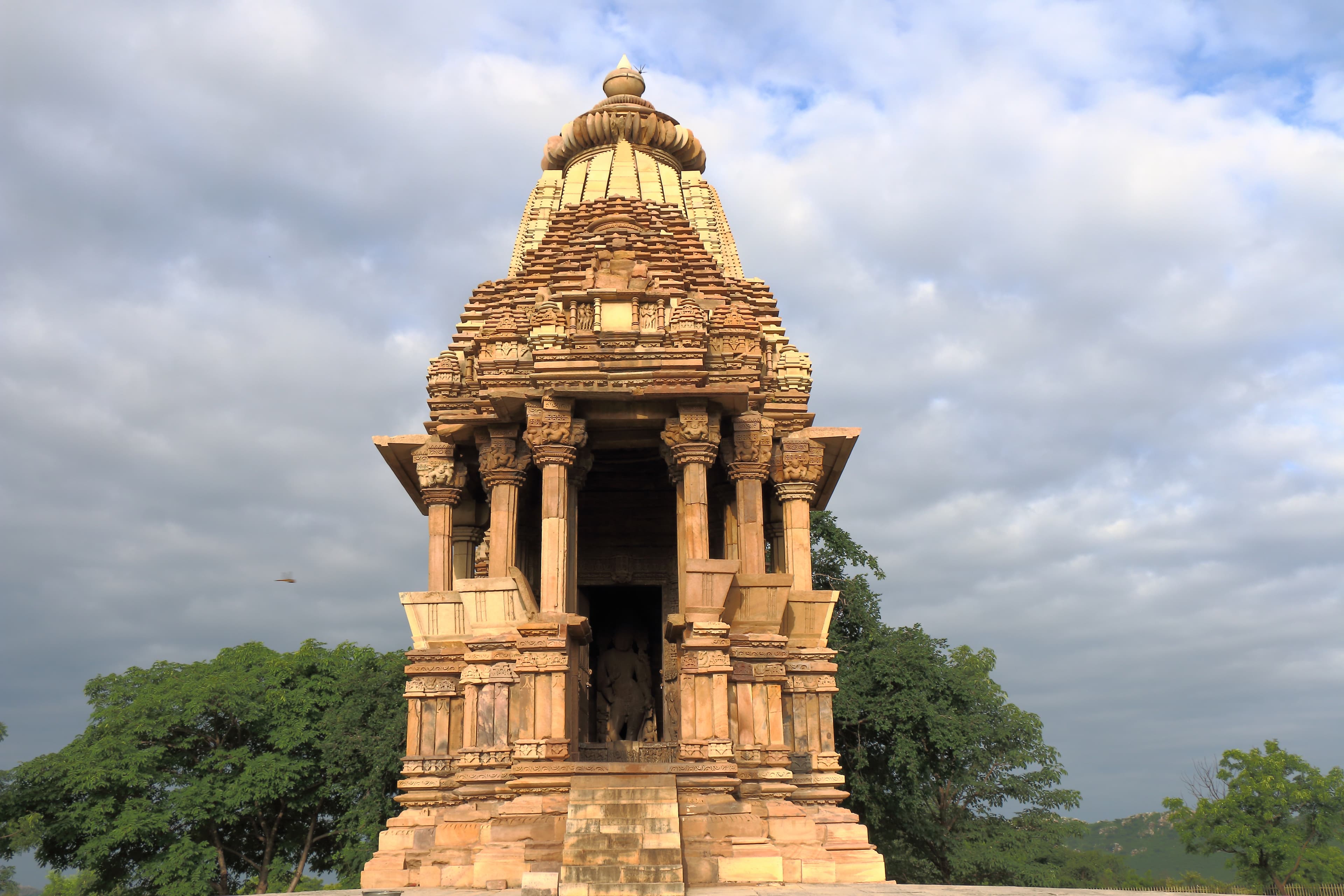
A southern-group Vishnu temple whose west-facing plan and surviving image keep a distinct sacred identity within Khajuraho.
Chitragupta Temple
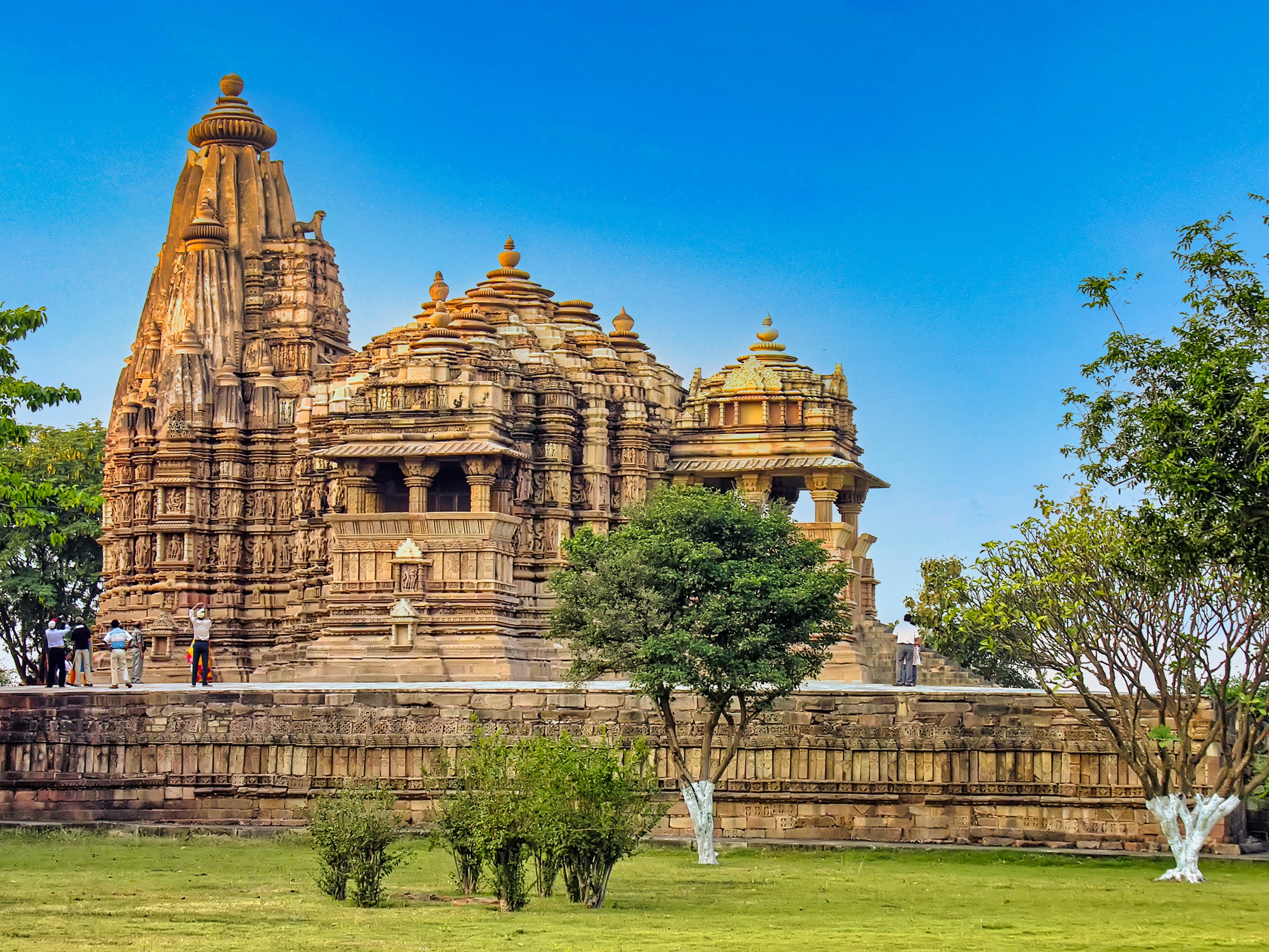
A Khajuraho Surya temple where solar dedication, carved exterior, and surviving sanctuary image still carry a distinct sacred tone.
Devi Jagadambi Temple
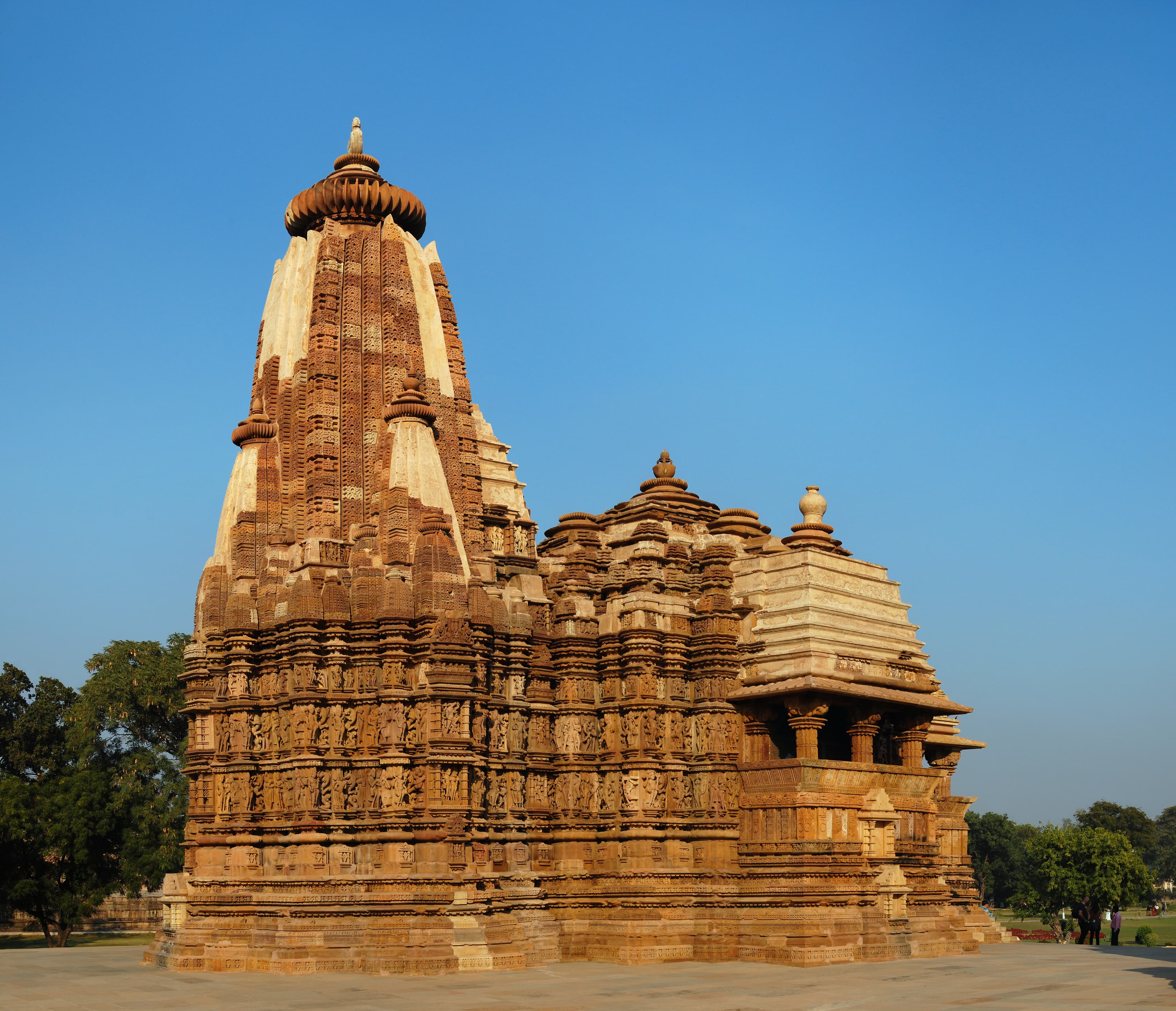
A Khajuraho temple whose compact mass and goddess association keep sacred intimacy visible beside the larger western-group shrines.
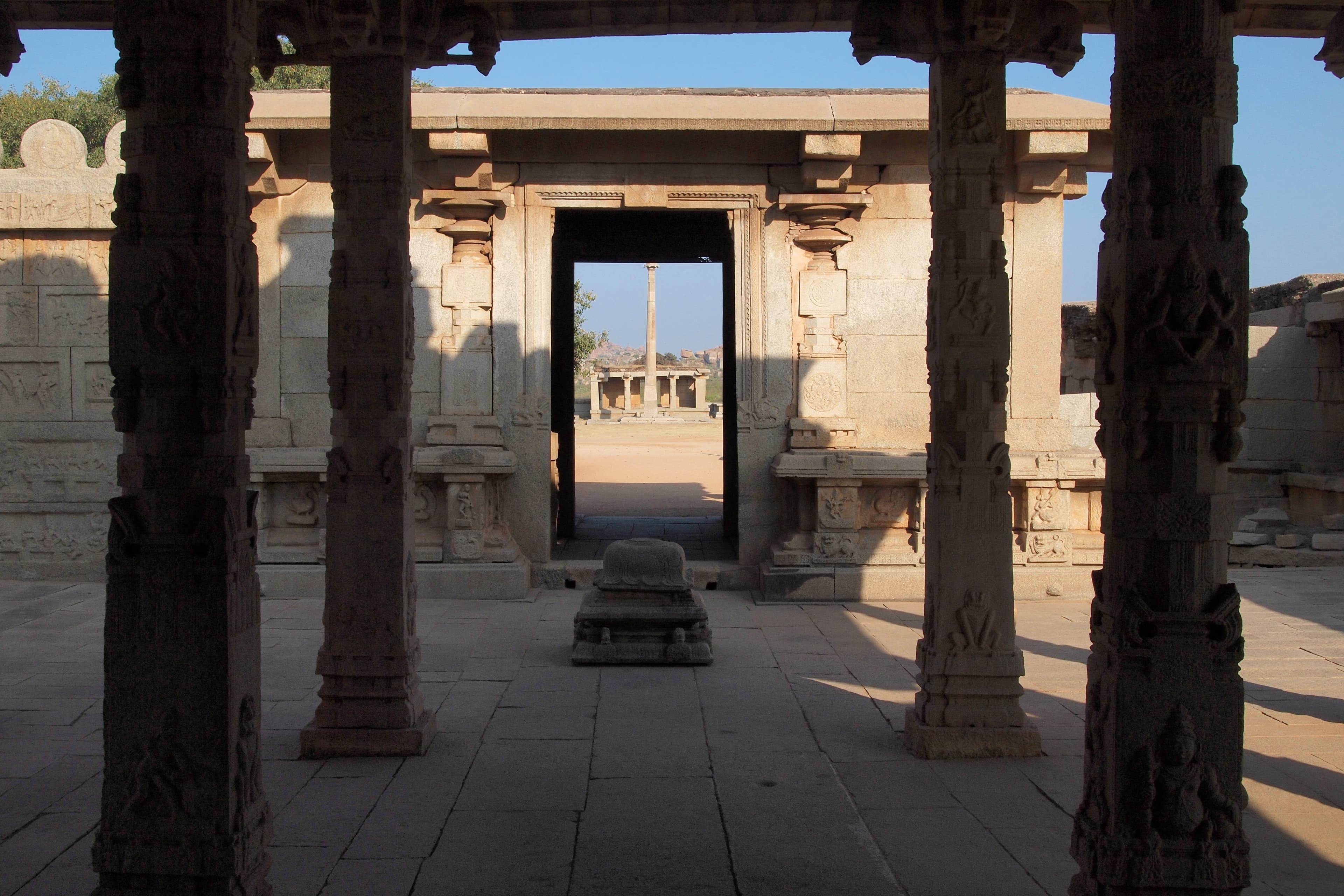
Hazara Rama Temple
A temple in the sacred and monumental landscape of Hampi where relief narrative, temple plan, and palace-zone setting still hold together as one sacred courtly shrine.
Same tradition elsewhere
Hinduism sacred sites beyond South Asia
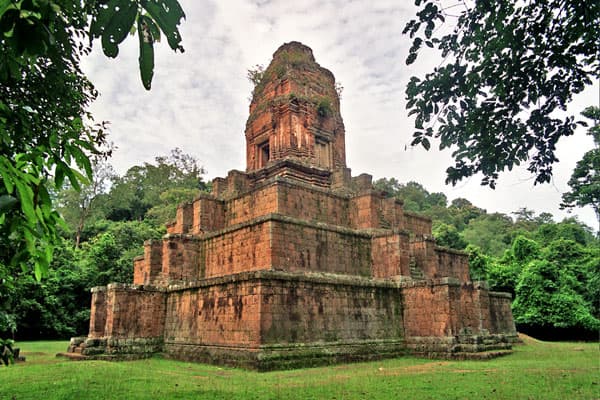
Baksei Chamkrong
A small stepped Hindu temple at Angkor where steep ascent and Shiva dedication compress sacred force into a tightly focused pyramid form.

Banteay Samré
A restored Hindu temple at Angkor where enclosure walls, gopuras, and sanctuary form create a complete and concentrated sacred composition.
Regional journeys
Journeys in South Asia
Keep exploring