Historical sanctuary
Former Convent of Saint John the Baptist, Tlayacapan
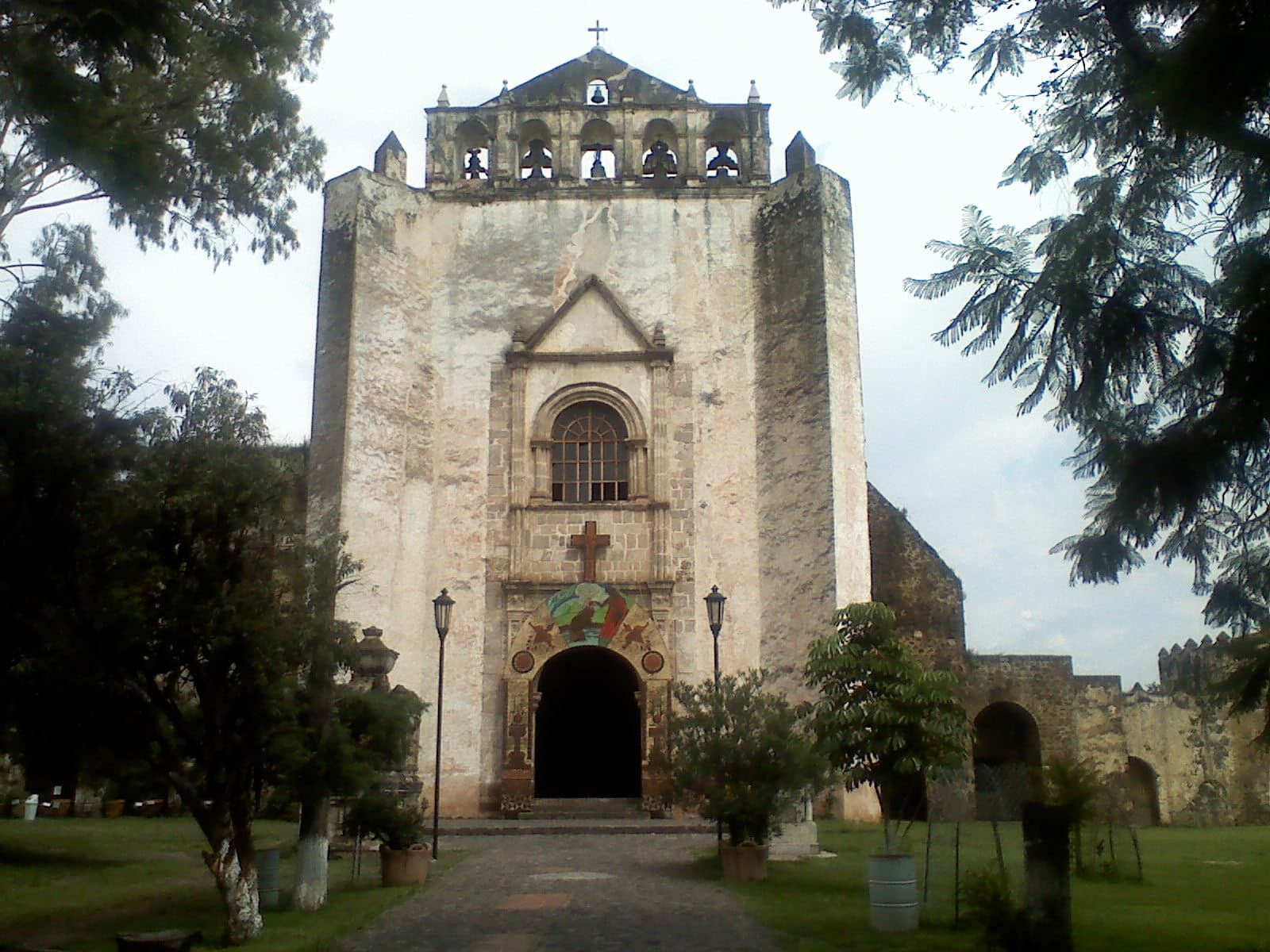
The Former Convent of Saint John the Baptist in Tlayacapan matters most when church, atrium, and convent are read together, because UNESCO treats the Popocatepetl monasteries as whole sacred complexes rather than single historic buildings.
Visitor essentials
What stands out
Scope note
Keep in view
Keep Tlayacapan tied to its atrium and convent ensemble so the entry does not flatten into one church image alone.
At a glance
Before you visit
A mountainside mission complex where temple, atrium, and convent still preserve the open-spaced sacred logic of early Augustinian evangelization
Why it matters
UNESCO describes the Popocatepetl monasteries as examples of an early Christian architectural concept in which wide atria and open spaces were central, and Tlayacapan is one of the components where that sacred layout remains legible.
That matters here because Wikidata and Commons keep the exact Tlayacapan component visible as a full former convent complex, helping the page stay grounded in its whole mission plan rather than in one facade detail.
Respect notes
Visiting notes
Story and context
History and sacred context
Sources
- Official websitePrimary visitor-facing site for current access and institutional context.
- UNESCO entryPrimary authority source for the Popocatepetl monasteries as an early Christian monastic and urban system and for Tlayacapan as one of the serial components.
- Wikipedia entryWikipedia article for former convent of Saint John the Baptist (es).
- Earliest 16th-Century Monasteries on the Slopes of Popocatepetl (Property 702)Primary authority source for the Popocatepetl monasteries as an early Christian monastic and urban system and for Tlayacapan as one of the serial components.
- Earliest 16th-Century Monasteries on the Slopes of Popocatepetl - MapsOfficial component map table for the Popocatepetl serial property, including Tlayacapan as 702bis-008.
- former convent of Saint John the Baptist (Q65335758)Entity anchor for the Tlayacapan monastery component of the Popocatepetl serial property.
- Category:Church of San Juan Bautista, TlayacapanVisual context for the Tlayacapan church and former convent complex.
- former convent of Saint John the BaptistWikipedia article for former convent of Saint John the Baptist (es).
- Templo y Ex Convento de San Juan Bautista (Tlayacapan)Official INAH monument page for the former convent of San Juan Bautista in Tlayacapan.
Nearby places
Nearby sacred places in Mesoamerica

Convento de Santiago Apostol, Ocuituco
A former convent in Ocuituco where church, atrium, and monastic fabric still preserve the early missionary sacred landscape of the Popocatepetl slopes.
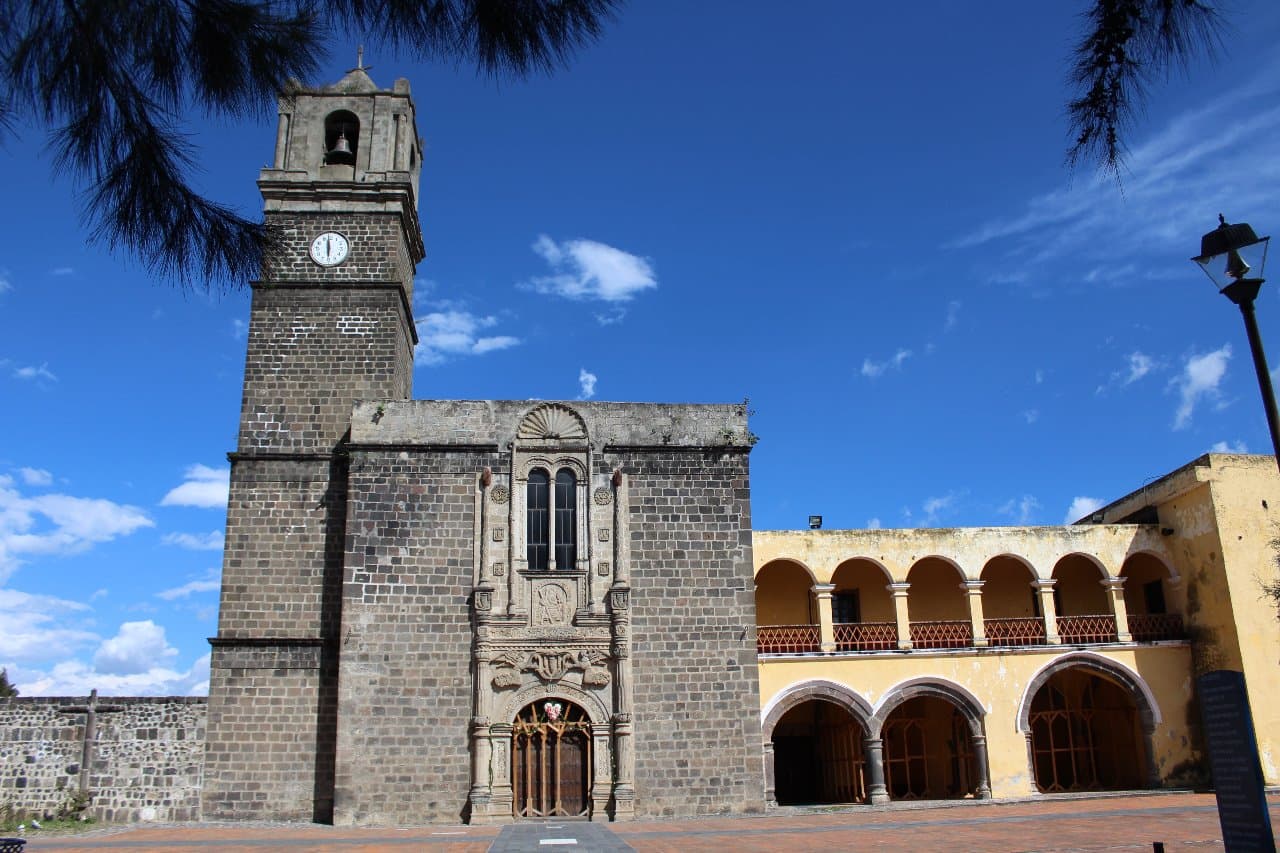
Former Convent of Saint Andrew, Calpan
A former convent in Calpan where church, atrium, and posa chapels still preserve the sacred open-space logic of the earliest Mexican monasteries.

Former Convent of Saint Dominic de Guzman, Oaxtepec
A Dominican mission complex on a raised ceremonial terrain where church, convent, and open worship spaces still show how early colonial Christianity occupied older sacred ground.

Former Convent of Saint John the Baptist, Yecapixtla
A former convent complex in Yecapixtla where fortress-like walls, atrium, and church volume still preserve the missionary sacred landscape of early colonial Mexico.
Keep exploring