Living sacred site
Chennakesava Temple, Belur
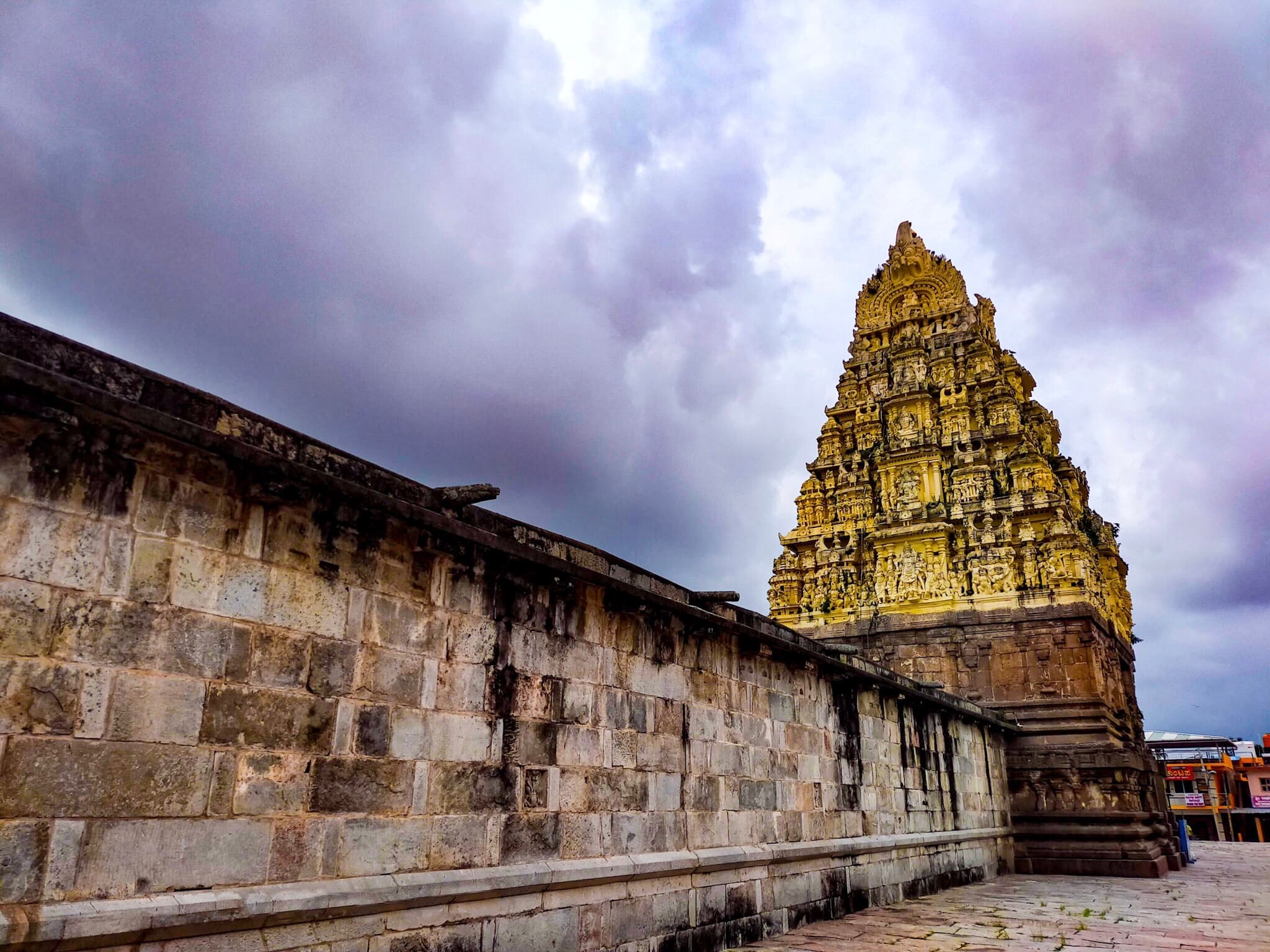
Chennakesava Temple at Belur is one of the most important living Hoysala sacred sites, combining sculptural richness, star-like temple planning, and uninterrupted ritual continuity.
Visitor essentials
What stands out
Scope note
Keep in view
Keep living worship visible instead of treating the temple only as a masterpiece of Hoysala carving.
At a glance
Before you visit
A Hoysala temple where dense carving, circumambulatory movement, and centuries of worship still animate the whole precinct
Why it matters
UNESCO describes the Sacred Ensembles of the Hoysalas as outstanding Hindu temple complexes and notes that continuity of worship, rituals, and festivals has persisted at the temple in Belur since its inception in 1117 CE.
That living continuity is what makes Belur especially important here: the temple's celebrated carvings still belong to an active sacred precinct rather than to a purely historical shell.
Respect notes
Visiting notes
Story and context
History and sacred context
Sources
- Official websitePrimary visitor-facing site for current access and institutional context.
- UNESCO entryPrimary authority source for the Hoysala temple ensembles and the continuity of worship at Belur.
- Wikipedia entryWikipedia article for Chennakesava Temple, Belur.
- Sacred Ensembles of the Hoysalas (Property 1670)Primary authority source for the Hoysala temple ensembles and the continuity of worship at Belur.
- Category:Chennakesava Temple, BelurVisual context for the Belur temple's precinct, sculptures, and temple surfaces.
- Chennakesava Temple (Q3536222)Entity anchor for Chennakesava Temple.
- Chennakesava Temple, BelurWikipedia article for Chennakesava Temple, Belur.
- Shri Channakeshava Swami Temple, Belur Town, BelurOfficial Karnataka temple administration page for Shri Channakeshava Swami Temple at Belur with contact and timing information.
Nearby places
Nearby sacred places in South Asia
Brihadisvara Temple
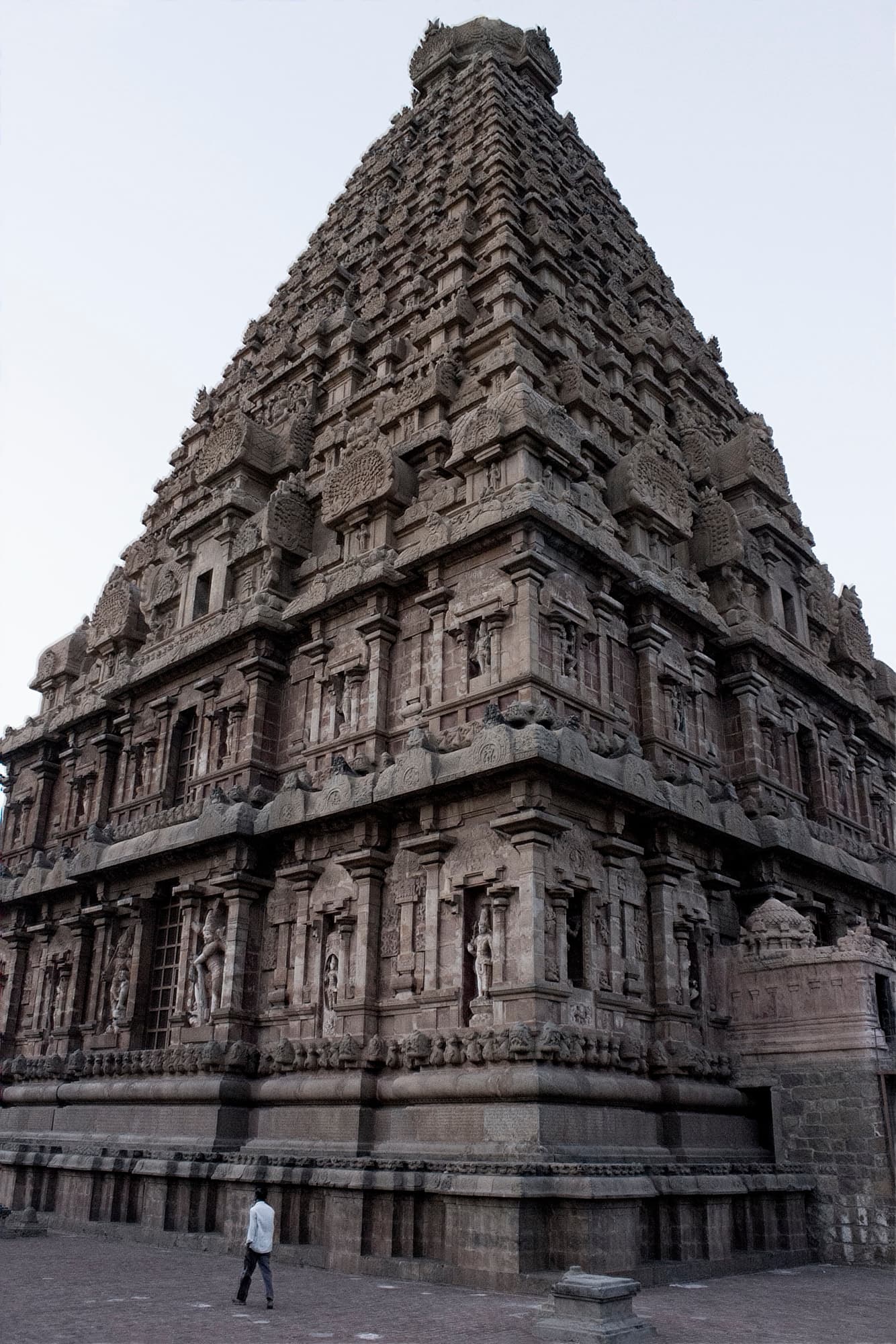
A Chola temple where tower, courtyard, sculpture, and ongoing ritual make sacred scale feel both immense and disciplined.
Achyutaraya Temple
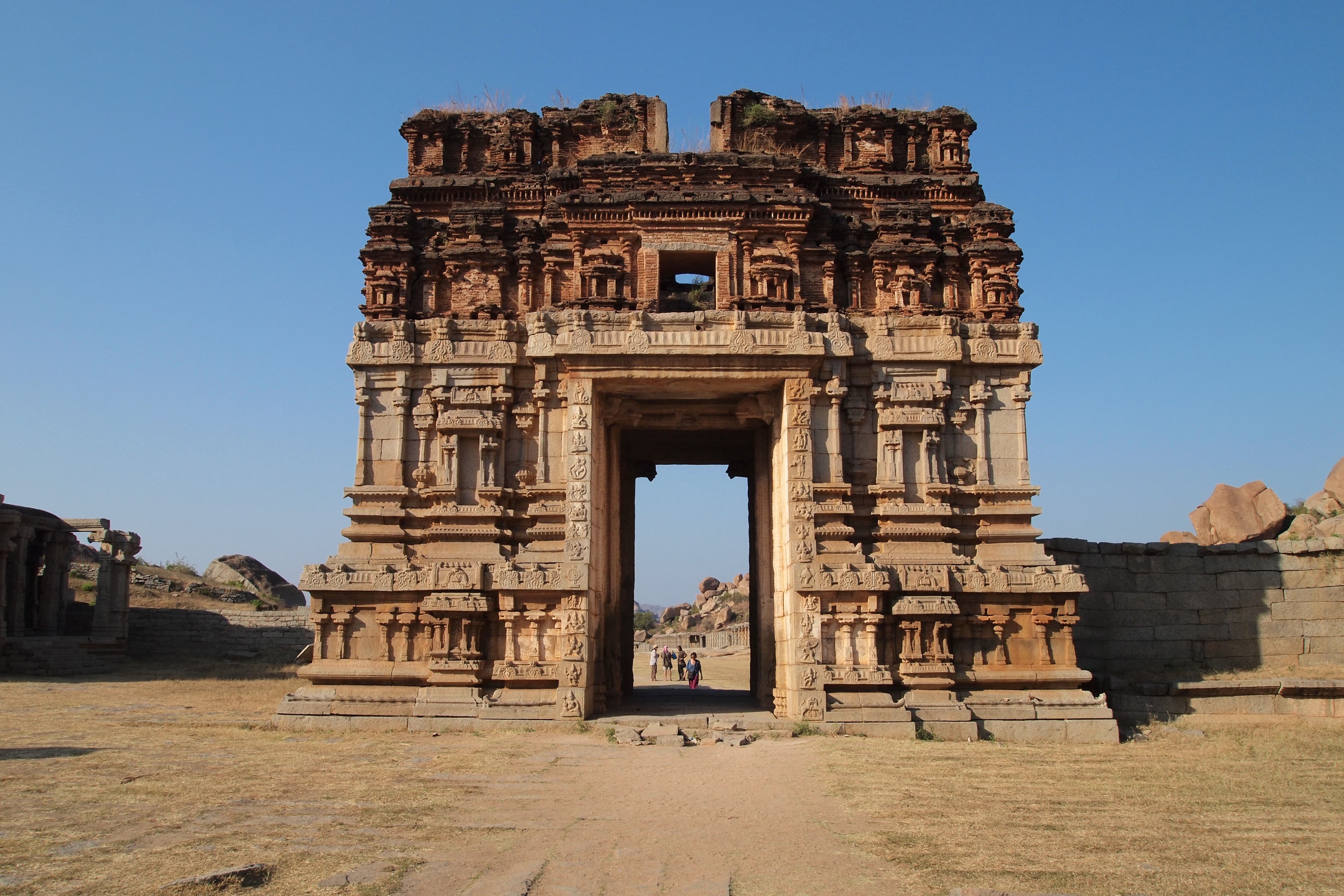
A temple complex in the sacred and monumental landscape of Hampi where the bazaar street, gopuras, and long ceremonial approach still preserve the scale of Vijayanagara sacred planning.
%2520at%2520Ananthasayanagudi.JPG&w=3840&q=75)
Ananthasayana Temple
A temple complex in the sacred and monumental landscape of Hampi where gopuras, shrine core, and inscription-bearing fabric preserve a substantial sacred complex beyond Hampi's densest monument zone.
Bala Krishna Temple, Hampi
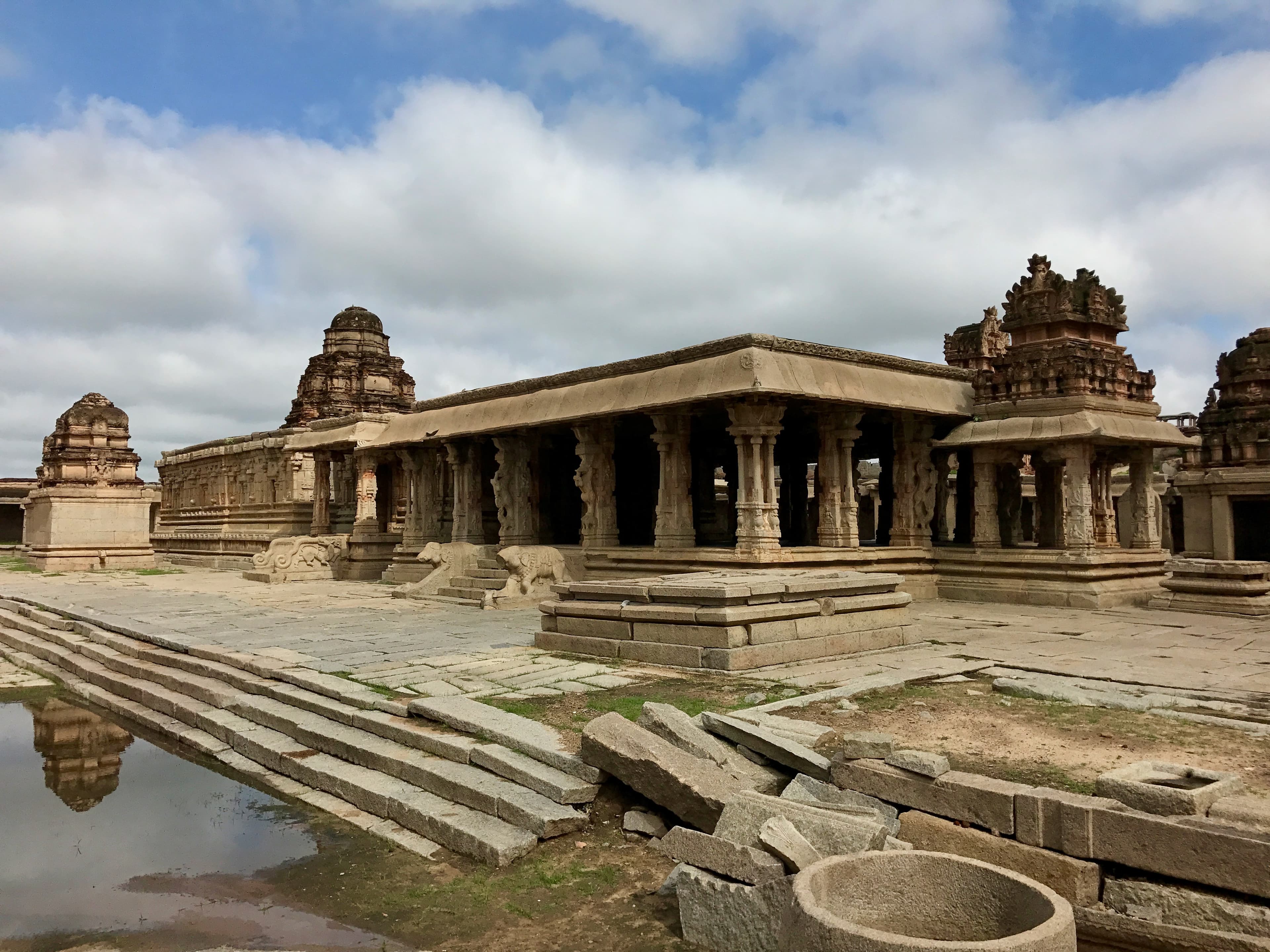
A temple complex in the sacred and monumental landscape of Hampi where shrine, market street, and enclosure still preserve a full Vaishnava sacred quarter rather than an isolated ruin.
Same tradition elsewhere
Hinduism sacred sites beyond South Asia
Regional journeys
Journeys in South Asia
Keep exploring