Historical sanctuary
Borobudur Temple Compounds
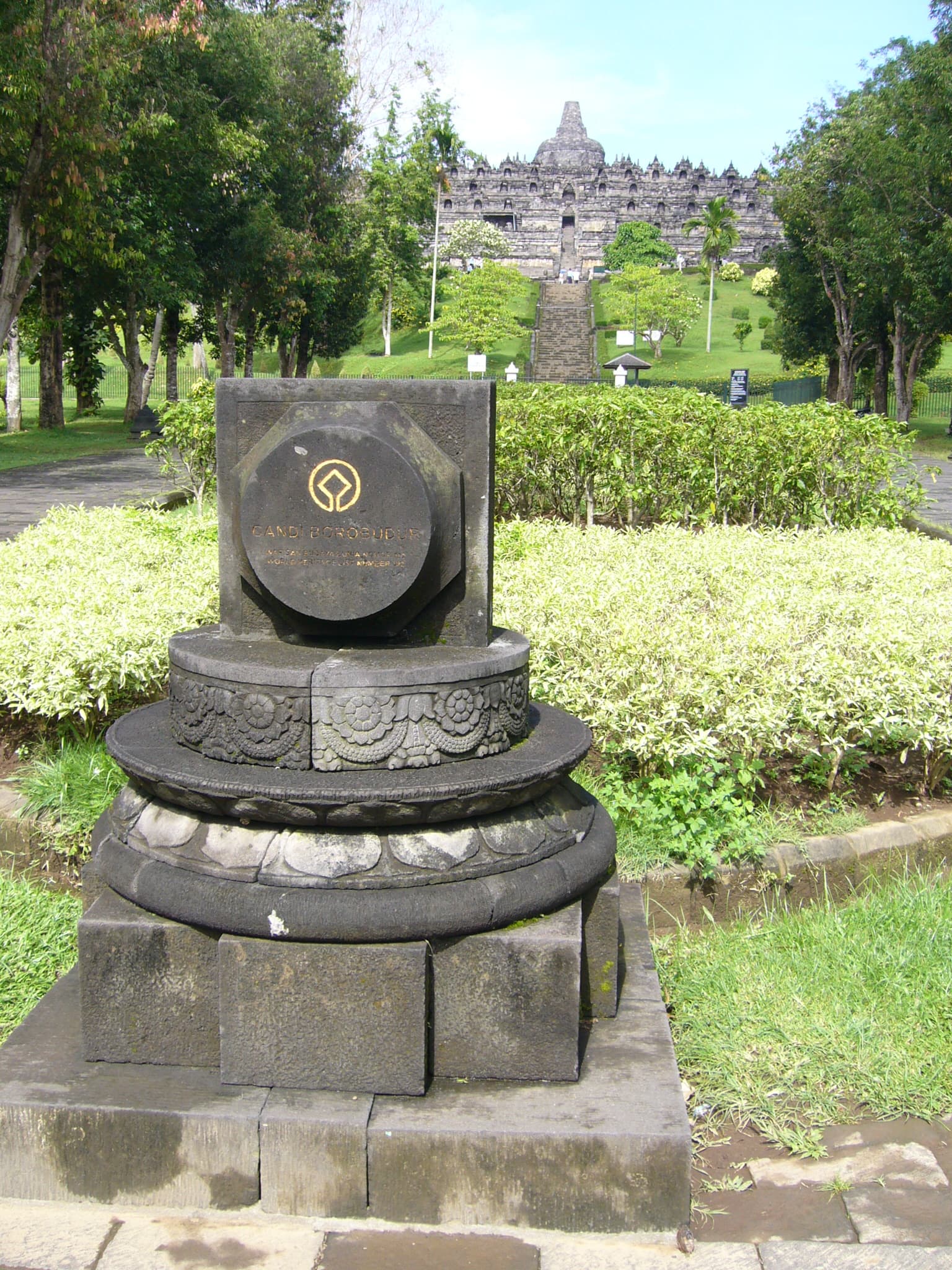
Borobudur Temple Compounds is the three-temple Buddhist ritual ensemble of Borobudur, Mendut, and Pawon, distinguished by the way linked monuments, sacred alignment, and processional logic still keep the compounds legible as one sacred landscape rather than Borobudur alone.
Visitor essentials
What stands out
Scope note
Keep in view
Keep it visible as a three-temple ritual ensemble rather than reducing the property to Borobudur alone.
At a glance
Before you visit
A three-temple Buddhist ritual ensemble where linked monuments, sacred alignment, and processional logic still keep the compounds legible as one sacred landscape rather than Borobudur alone
Why it matters
Respect notes
Visiting notes
Story and context
History and sacred context
UNESCO is especially useful here because it keeps the writing oriented to the three-temple ensemble instead of Borobudur in isolation.
PT Taman Wisata Candi's live Borobudur history page is strong enough to anchor the ensemble because the government-owned site explicitly identifies Pawon and Mendut as aligned with Borobudur and names the annual Vesak route linking all three temples.
Sources
- Official websitePrimary visitor-facing site for current access and institutional context.
- UNESCO entryPrimary authority source for the Borobudur Temple Compounds as a three-monument Buddhist ensemble of Borobudur, Mendut, and Pawon.
- Wikipedia entryWikipedia article for Borobudur Temple Compounds.
- Borobudur Temple Compounds (Property 592)Primary authority source for the Borobudur Temple Compounds as a three-monument Buddhist ensemble of Borobudur, Mendut, and Pawon.
- Borobudur (Q313367)Entity anchor for Borobudur as the main monument of the Borobudur Temple Compounds.
- Mendut Temple (Q2746626)Entity anchor for Mendut Temple as a component of the Borobudur Temple Compounds.
- Pawon (Q3056346)Entity anchor for Pawon as a Buddhist temple within the Borobudur Temple Compounds.
- History - BorobudurOfficial Borobudur history page that explicitly identifies Pawon Temple and Mendut Temple as aligned with Borobudur and names the annual Vesak route linking the three temples.
- About UsInstitutional page explaining that PT Taman Wisata Candi is the Indonesian government-owned operator responsible for the Borobudur heritage park environment as part of the InJourney state holding.
- Borobudur Temple CompoundsWikipedia article for Borobudur Temple Compounds.
Nearby places
Nearby sacred places in Southeast Asia
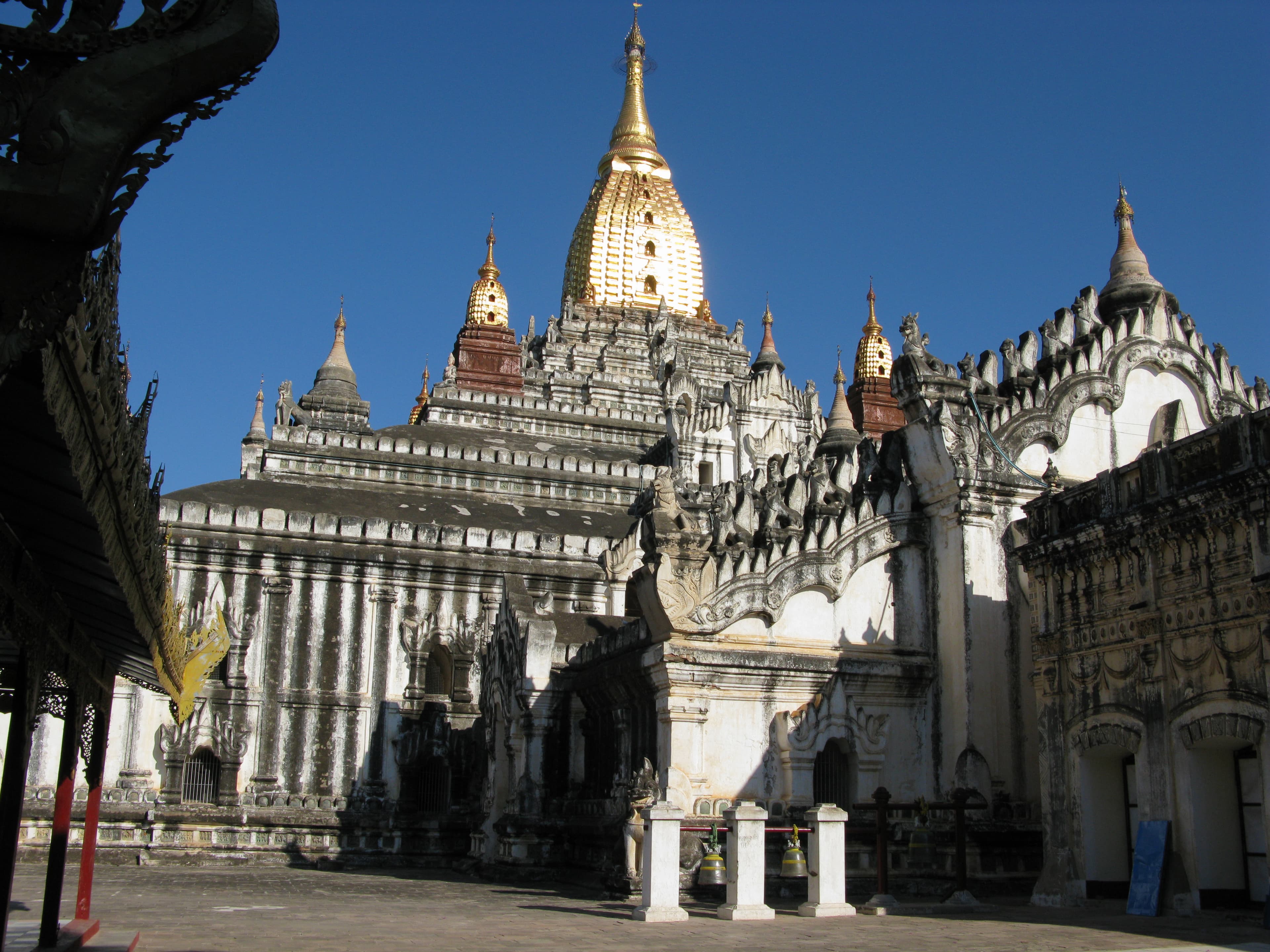
Ananda Temple
A major Bagan Buddhist temple whose symmetry, vertical mass, and interior Buddhas still make sacred order feel immediate.

Banteay Kdei
A quieter Buddhist temple at Angkor whose enclosed courts and worn galleries reward slower attention.
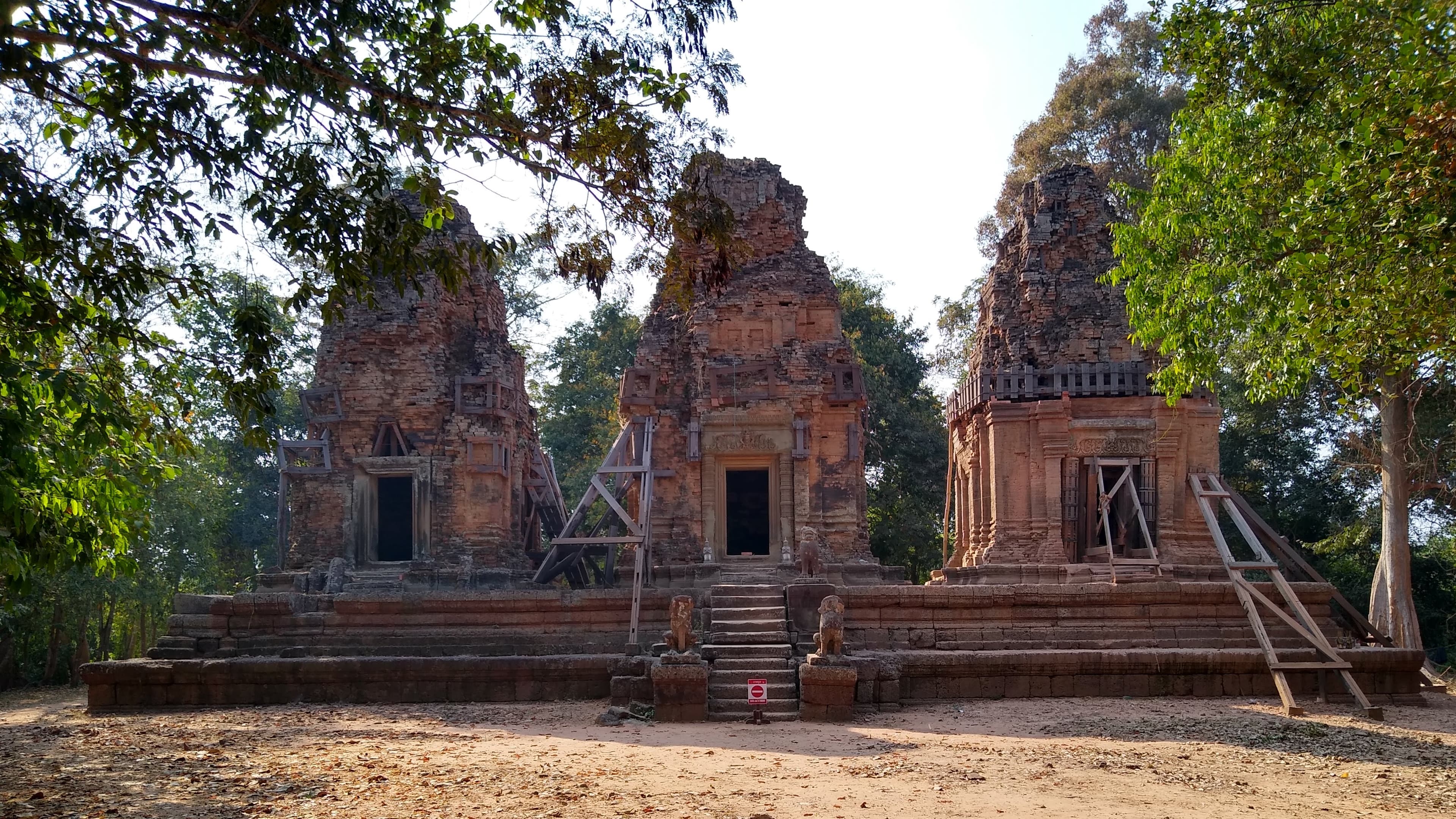
Bat Chum
A smaller Buddhist temple at Angkor where brick towers and modest scale create a quieter sacred rhythm within the larger monument field.
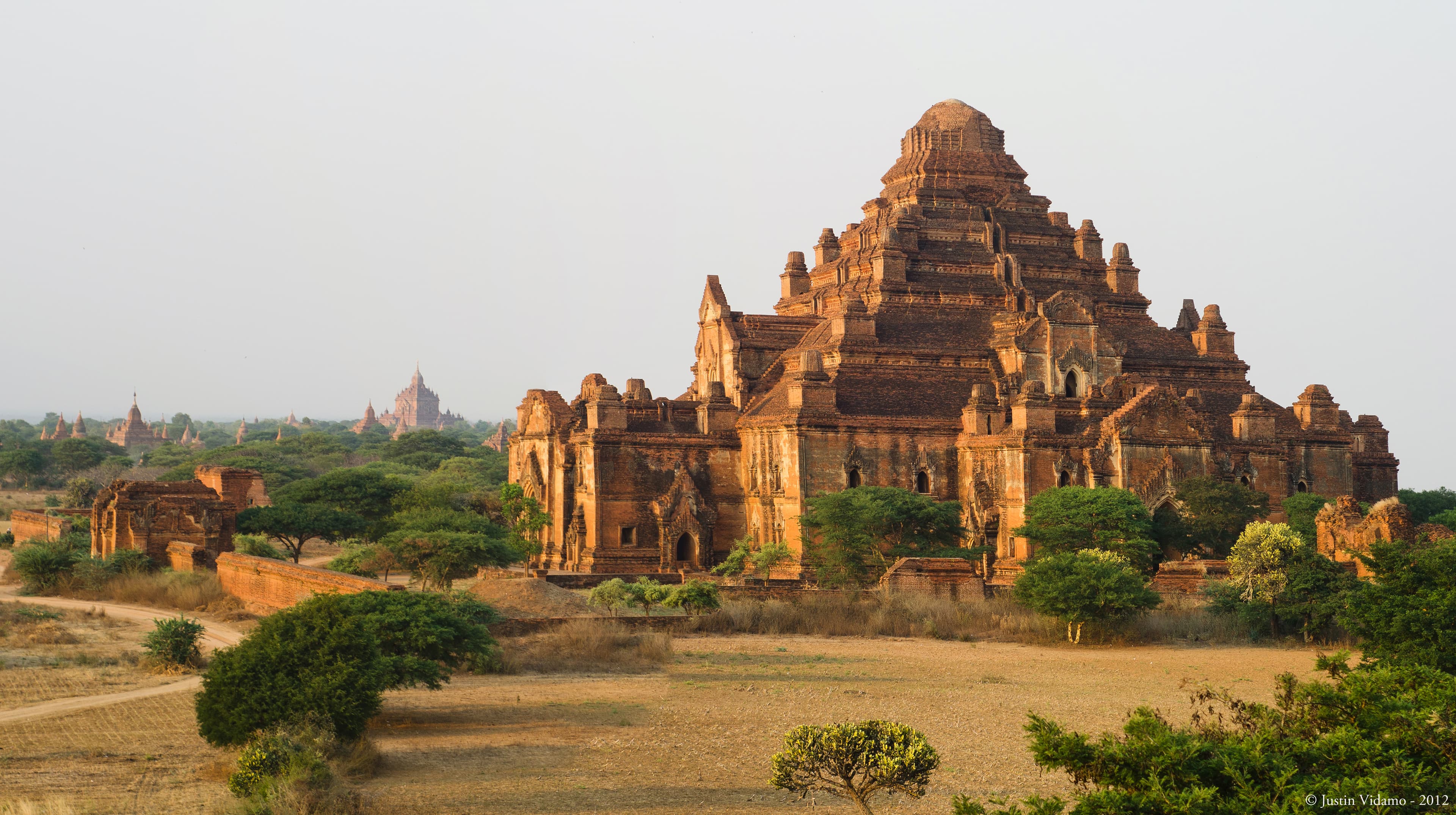
Dhammayangyi Temple
A massive Bagan Buddhist temple whose heavy brick body makes sacred monumentality feel unusually concentrated.
Keep exploring