Historical sanctuary
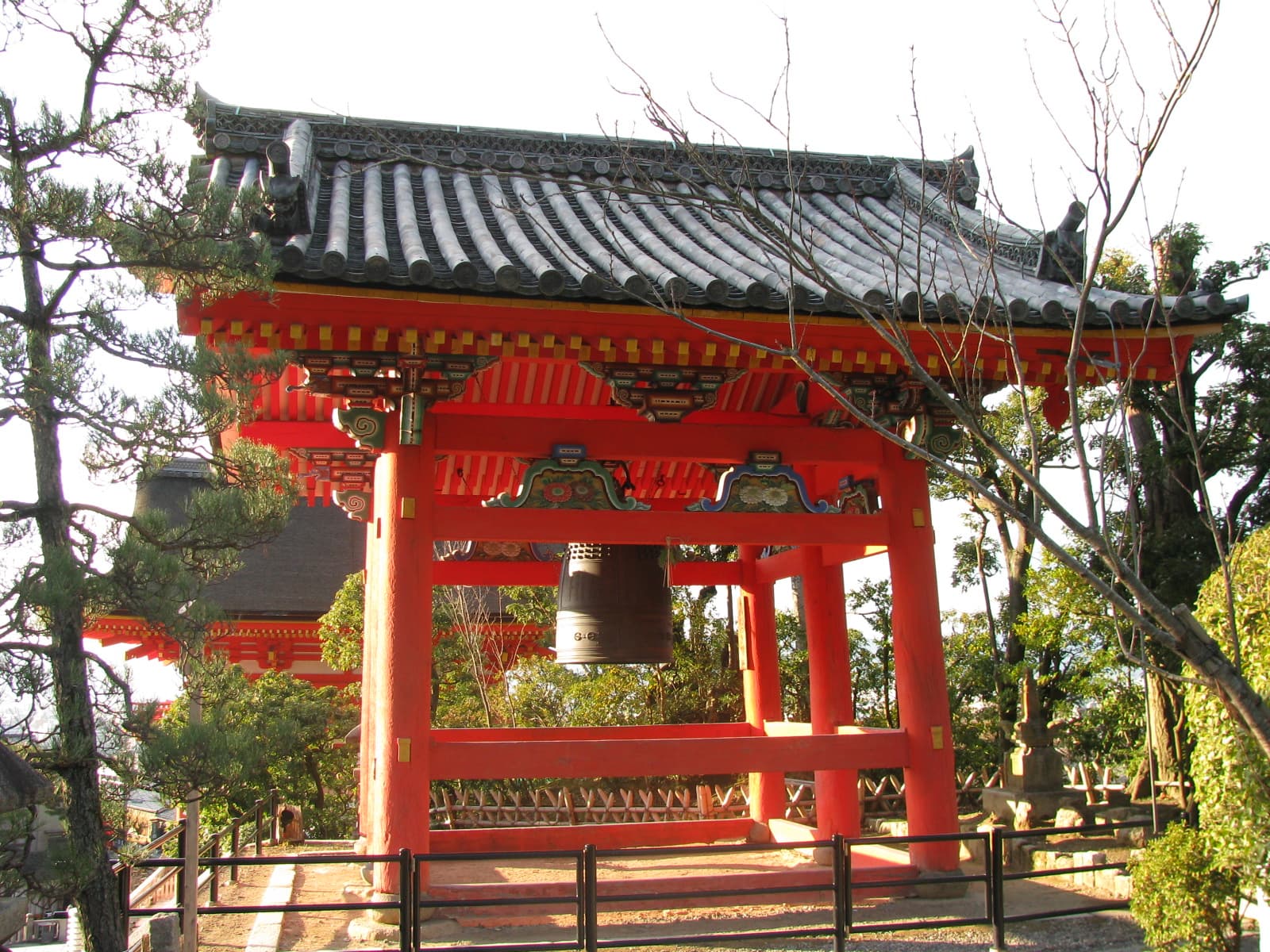
Bell Tower, Kiyomizu-dera
Bell Tower, Kiyomizu-dera matters because it preserves a less visible but still important sacred layer of the precinct beyond the temple's best-known viewpoints.
Visitor essentials
What stands out
Scope note
Keep in view
Keep the Bell Tower framed as part of temple rhythm, not just as a secondary structure beside more famous buildings.
At a glance
Before you visit
A quieter Kiyomizu structure where the temple's older rhythm of sound and sacred time still remains legible
Why it matters
UNESCO frames Historic Monuments of Ancient Kyoto (Kyoto, Uji and Otsu Cities) as a living Buddhist precinct where halls, pagodas, sacred water, and secondary ritual structures still extend Kiyomizu-dera beyond its famous stage, and the supporting site sources keep Bell Tower, Kiyomizu-dera legible as a bell tower within the living Kiyomizu precinct within Ancient Kyoto.
That matters because Bell Tower, Kiyomizu-dera is strongest as the bell tower that keeps ritual sound and temple rhythm present within the hillside approach to Kiyomizu-dera rather than only a minor tower on the circuit.
Respect notes
Visiting notes
Story and context
History and sacred context
Sources
- Official websitePrimary visitor-facing site for current access and institutional context.
- UNESCO entryPrimary authority source for the Ancient Kyoto serial property and its religious monuments.
- Wikipedia entryWikipedia article for Kiyomizu-dera Temple.
- Historic Monuments of Ancient Kyoto (Kyoto, Uji and Otsu Cities) (Property 688)Primary authority source for the Ancient Kyoto serial property and its religious monuments.
- Historic Monuments of Ancient Kyoto - MapsComponent map source identifying Kiyomizu-dera within the Ancient Kyoto property.
- Kiyomizu-dera Temple (Q221716)Parent entity anchor for Kiyomizu-dera as a Buddhist temple, pilgrimage site, and Ancient Kyoto world-heritage component.
- Category:Kiyomizu-deraVisual context for Kiyomizu-dera, its halls, pagodas, shrine, and wider hillside precinct.
- VisitOfficial Kiyomizu-dera ground map and component guide locating the Bell Tower within the precinct.
- Kiyomizu-dera TempleWikipedia article for Kiyomizu-dera Temple.
Nearby places
Nearby sacred places in Japan
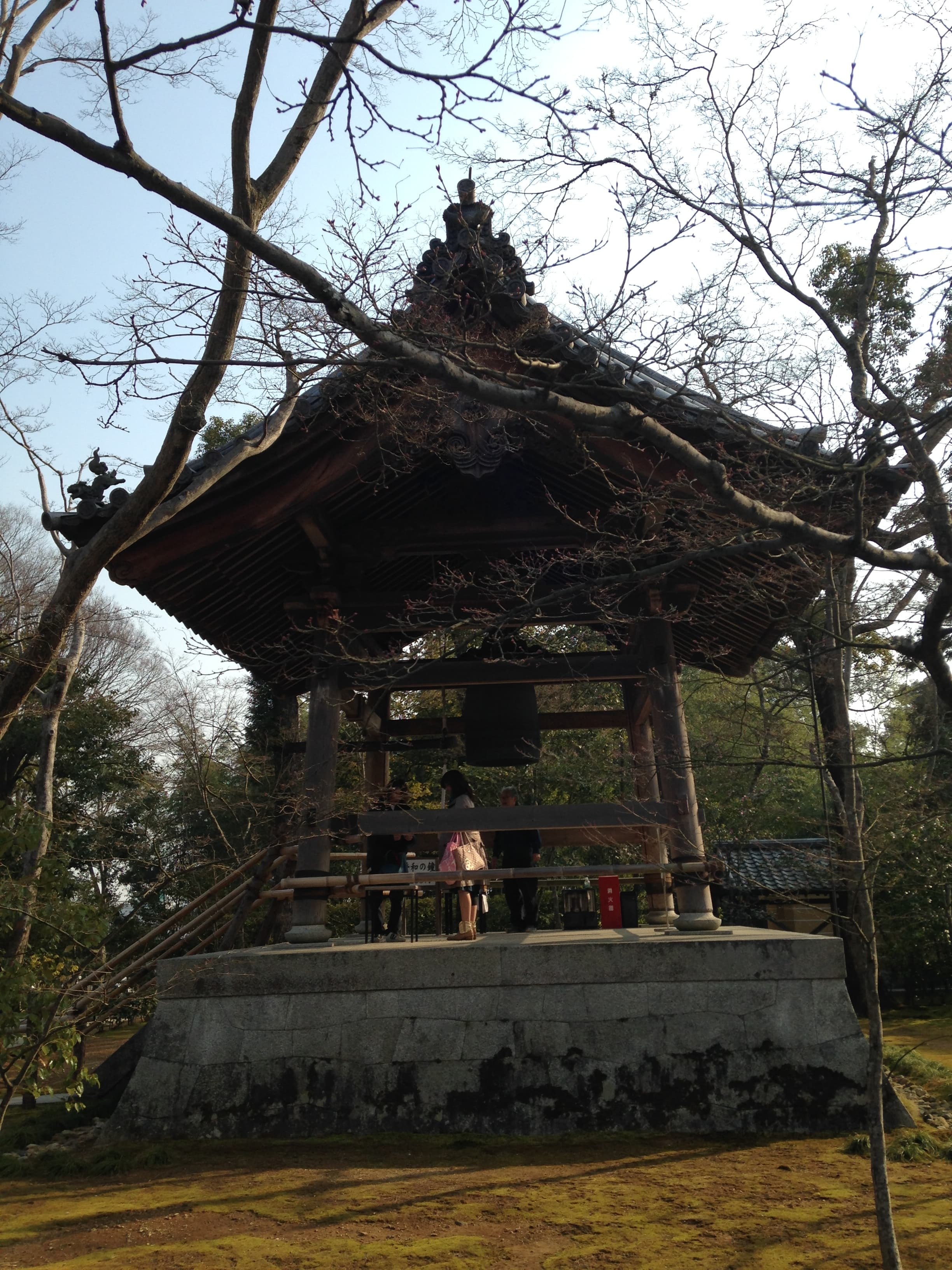
Bell Tower, Kinkaku-ji
A quieter Kinkaku-ji structure where temple sound and sacred rhythm still remain legible.
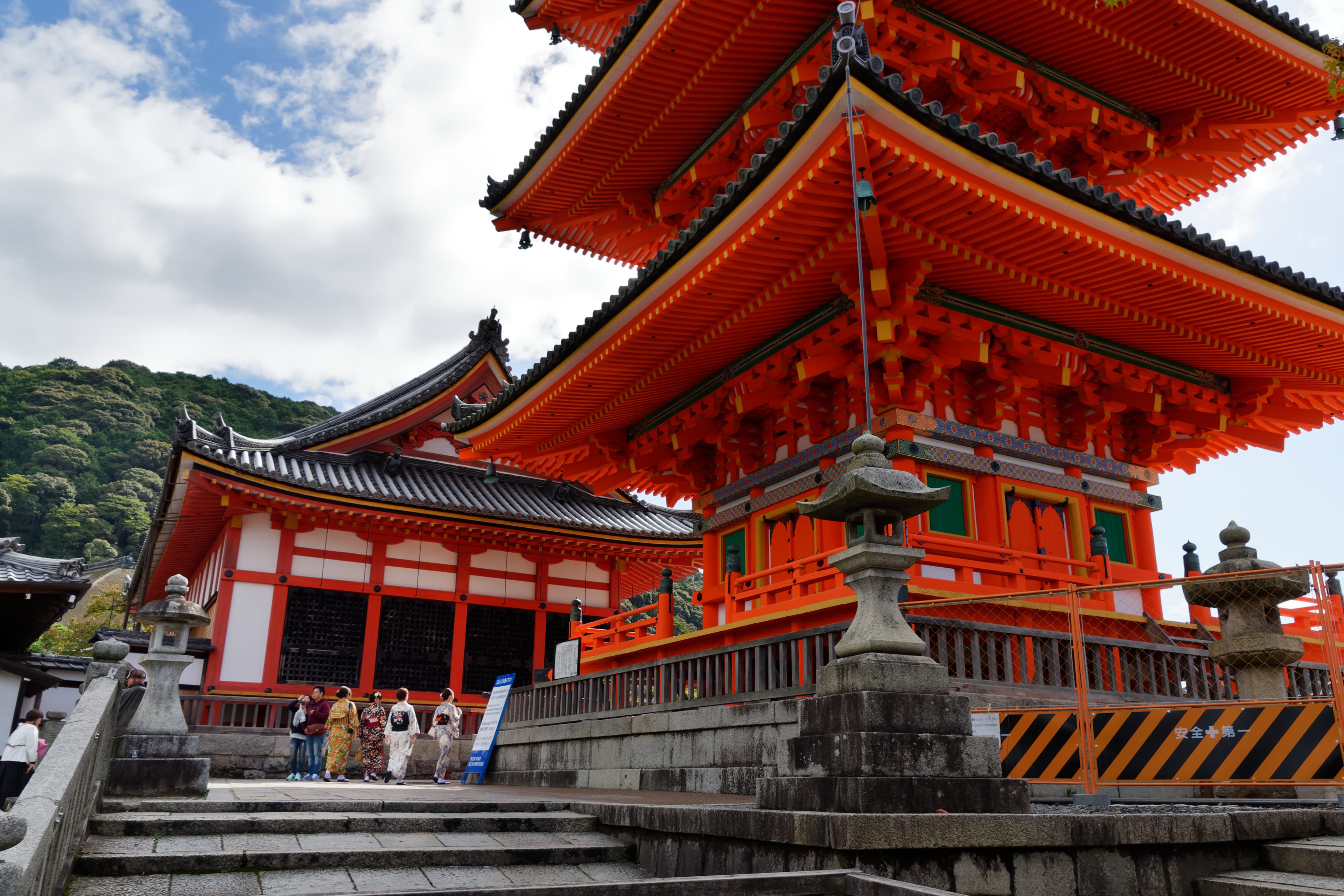
Three-storied Pagoda, Kiyomizu-dera
A striking pagoda that still gives Kiyomizu-dera's approach a reliquary and ritual shape before the main hall comes into view.
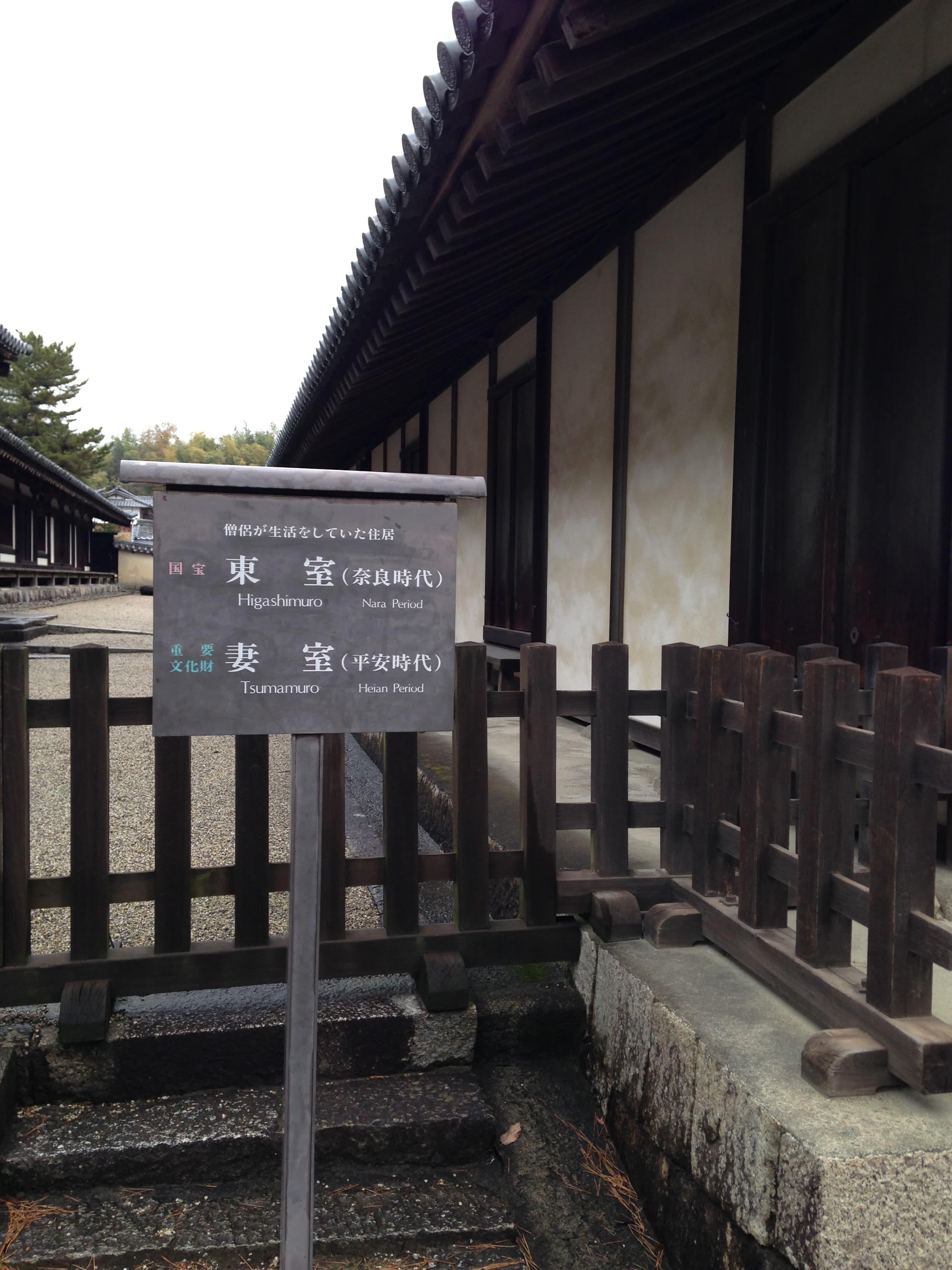
East Dormitory, Horyu-ji
A surviving Horyu-ji dormitory where the temple's older monastic life still remains legible.
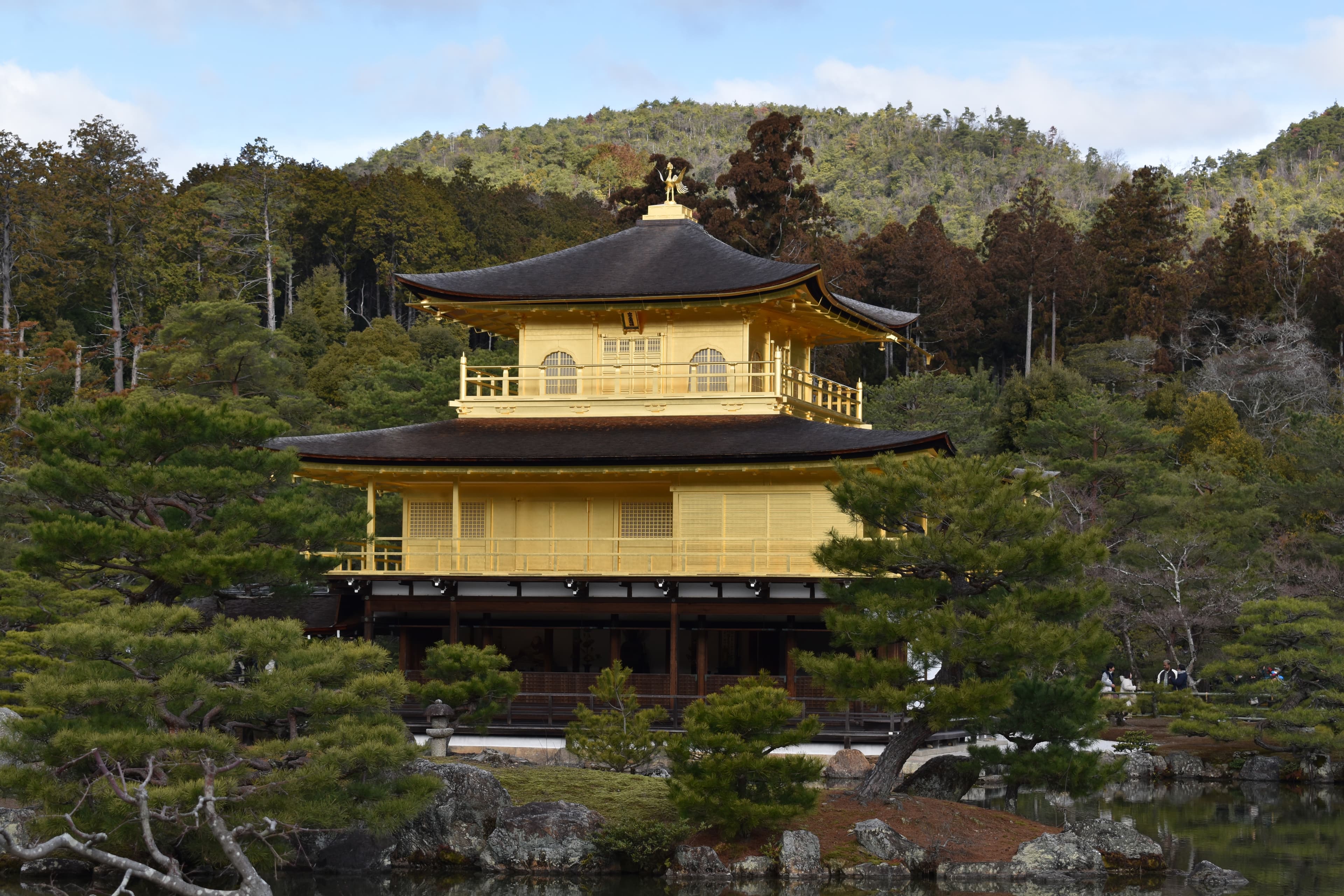
Golden Pavilion, Kinkaku-ji
Kinkaku-ji's Golden Pavilion, where the temple's most famous image still begins as a relic hall.
Regional journeys
Journeys in Japan
Keep exploring